How to Transplant Common serviceberry?
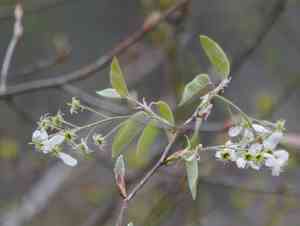
Select the revitalizing period of early to mid-spring for relocating common serviceberry, allowing the specimen to establish itself prior to the summer's intensity. Pick a location receiving ample sunlight with soil that drains effectively; a slight modification can facilitate its adjustment.
What Preparations are Needed Before Transplanting Common Serviceberry?
What is the Ideal Time for Transplanting Common Serviceberry?
The optimal period for relocating common serviceberry is during early to mid-spring. This timeframe allows common serviceberry's roots to settle in the mild temperatures and moist soil, preparing it for summer development.
How Much Space Should You Leave Between Common Serviceberry Plants?
When moving your common serviceberry, ensure ample room for growth! The ideal spacing is approximately 15-20 feet (4.5-6 meters) apart. This guarantees each plant receives good airflow and sufficient space to thrive.
What is the Best Soil Mix for Common Serviceberry Transplanting?
Your common serviceberry thrives in slightly acidic, well-drained soil. Amend the ground by incorporating an organic fertilizer to boost soil fertility. A compost-rich soil can also be beneficial for enhancing plant health.
Where Should You Relocate Your Common Serviceberry?
Your chosen transplant site should offer good sun exposure, as common serviceberry prefers full sun to light shade. However, providing some afternoon shade would be wise, protecting it from intense radiation.
What Equipments Should You Prepare Before Transplantation Common Serviceberry?
Gardening Gloves
To safeguard your hands while handling soil and the plant.
Shovel or Spade
Needed for excavating the planting hole and carefully extracting the plant from its original spot, minimizing root damage.
Watering Can
To hydrate the plant before and after its relocation, encouraging robust roots.
Mulch
Essential for covering the soil surface post-planting to help retain moisture.
Pruning Shears
For trimming any damaged or old branches from the serviceberry after its transfer
How Do You Remove Common Serviceberry from the Soil?
How Do You Remove Common Serviceberry from the Soil?
From Ground: Start by watering the common serviceberry plant to moisten the surrounding soil, making extraction easier. Dig a wide trench around it with your shovel or spade, being careful not to cut into the root ball. Once the entire root system is visible, work your spade beneath it and gently lift the plant out.From Pot: First, water the common serviceberry plant to create a more flexible environment for its roots. Invert the pot while carefully supporting the plant at its base, give it a gentle shake, and the plant should slide out with its soil. If it doesn't, lightly tap the pot's bottom to encourage release.From Seedling Tray: Water the trays, then gently push up from the bottom of each cell to lift the common serviceberry plant with its roots and minimal soil disruption.
Step-by-Step Guide for Transplanting Common Serviceberry
Preparation
Begin by digging a hole two to three times wider than the common serviceberry's root ball and equally deep in your chosen location. This provides ample space for root expansion.
Placing the Plant
Position the common serviceberry plant in the hole. The top of the root ball should be level with the ground surface.
Backfilling
Refill the hole with the original soil, gently firming it around the base of the common serviceberry plant.
Watering and Mulching
Water the common serviceberry plant thoroughly immediately after planting to settle the soil and eliminate air pockets. Then apply a layer of mulch around the base to help retain moisture.
Pruning
Carefully trim away any old or damaged branches from common serviceberry to encourage future growth.
How Do You Care For Common Serviceberry After Transplanting?
Watering
Ensure the common serviceberry plant receives regular watering. The soil should remain consistently moist, especially during the first month post-transplant.
Mulch Replacement
Reapply mulch as it breaks down. This will suppress weeds, conserve moisture, and enhance soil fertility.
Trimming
Remove dead or diseased branches for the overall health and shape of the common serviceberry plant.
Inspect Regularly
Monitor your common serviceberry plant frequently, looking for signs of diseases or pests to allow for prompt intervention.
Troubleshooting Common Issues with Common Serviceberry Transplantation.
What's the best time of year to transplant common serviceberry?
The optimal period for transplanting common serviceberry falls between S1-S2. The ground's temperature during this time is most conducive to its growth.
What is the optimal spacing for common serviceberry after transplantation?
The recommended distance between common serviceberry plants after transplanting is approximately 15-20 feet (4.5-6 meters). This spacing provides them ample room to develop and flourish.
How deep should the hole be when transplanting common serviceberry?
The transplanting hole for common serviceberry should be about twice the size of the root ball. This ensures roots have sufficient space to fully spread and establish.
How much and how often should I water common serviceberry post-transplantation?
The common serviceberry requires consistent watering immediately after transplant, gradually reducing as the plant establishes. Overwatering can lead to root rot, so ensure proper soil drainage.
Why are the leaves of my transplanted common serviceberry turning yellow?
Yellowing leaves in common serviceberry may indicate overwatering or poor drainage. It's vital for the plant's root system to dry out between watering sessions.
Why is my transplanted common serviceberry not growing?
Stunted growth in common serviceberry can stem from insufficient sunlight, poor soil quality, imbalanced pH levels, or inadequate spacing. Address these factors for healthy development.
What should I do if my transplanted common serviceberry has wilting or falling leaves?
Wilting or falling leaves could signal a watering issue or transplant shock. Gradually reduce watering, and ensure your common serviceberry isn't exposed to excessive direct sunlight.
Should I prune common serviceberry when transplanting?
During transplanting, feel free to trim any broken or damaged branches. However, extensive pruning should be avoided immediately after transplanting to minimize stress on the plant.
How to protect transplanted common serviceberry from pests and diseases?
Keep the area around your transplanted common serviceberry clean to prevent disease. Use organic pesticides to guard against common pests, and regularly inspect the plant for early signs of infestation.
What type of soil is best for transplanting common serviceberry?
Common serviceberry prefers well-drained soil rich in organic matter. The soil pH should be slightly acidic to neutral, ranging between 5.5 and 7.0 for optimal results.



