How to Transplant Western serviceberry?
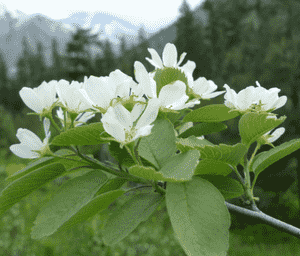
For western serviceberry, the ideal time for transplanting is after the last frost, typically during the vigorous spring season. Choose a location that receives full sun to partial shade and features soil that drains effectively to foster strong development. Ensuring consistent soil hydration is crucial for successful integration.
What Preparations are Needed Before Transplanting Western Serviceberry?
What is the Ideal Time for Transplanting Western Serviceberry?
The optimal time for relocating western serviceberry is during nature's spring awakening. This season provides the perfect combination of mild temperatures and increased daylight, which encourages strong root development and reduces stress on the western serviceberry. By choosing this revitalizing period, you provide western serviceberry with the warmth and gentle rains it needs to flourish in its new spot. Select a cool, pleasant day during this season for a smooth transition, ensuring your western serviceberry has the chance to thrive in its new home.
How Much Space Should You Leave Between Western Serviceberry Plants?
When moving western serviceberry, ensure sufficient room between each specimen. Ideally, they require 4-6 feet (1.2-1.8 meters) of clearance. This allows them ample space to spread their branches and prosper.
What is the Best Soil Mix for Western Serviceberry Transplanting?
The western serviceberry thrives in well-drained soil, enriched with a generous organic compost as a foundational fertilizer. This guarantees your plant receives all necessary nutrients from the start, promising a successful beginning to its new life.
Where Should You Relocate Your Western Serviceberry?
Select a location with full sun to partial shade for transplanting your western serviceberry. These plants appreciate abundant light, but can also endure some shade. Remember, they will grow best in spots where they can enjoy the morning sun.
What Equipments Should You Prepare Before Transplantation Western Serviceberry?
Gardening Gloves
To safeguard your hands while handling soil and western serviceberry.
Trowel
To excavate beneath the plant and assist in its careful removal from its original spot.
Spade or Shovel
To dig a new hole at the intended transplant site.
Pruning Shears
To neaten the western serviceberry after transplanting, trimming any dead or damaged branches.
Root Slicing Knife
To gently separate intertwined roots without harming the plant.
Garden Hose or Watering Can
To thoroughly water the plant following transplantation.
Mulch
To aid in moisture retention in the soil surrounding the western serviceberry.
How Do You Remove Western Serviceberry from the Soil?
How Do You Remove Western Serviceberry from the Soil?
From Ground: First, thoroughly water the western serviceberry plant the day before to moisten the soil, which helps with removal. Using your trowel, begin digging around the root area, maintaining a distance to avoid root damage, before gradually working your way underneath. Once you're confident enough soil is loosened, gently lift the western serviceberry.From Pot: Water the pot thoroughly, then carefully tip the western serviceberry onto its side. Apply some pressure to the pot's sides to loosen the soil ball, then slowly and gently extract the plant, being extremely cautious not to harm the roots.From Seedling Tray: Water the seedlings and let them sit for a few minutes, then with a planting dibber or a pen, push up from the drainage hole and gently lift the lower leaf to ease it out of its compartment. Ensure you are holding a leaf, not the stem, as you remove it from the tray.
Step-by-Step Guide for Transplanting Western Serviceberry
Digging a New Hole
Excavate a hole at the new site that is twice as wide and slightly deeper than the western serviceberry's root ball. This provides ample room for roots to expand into loose soil.
Plant Positioning
Place western serviceberry in the hole, ensuring the top of the root ball is level with the ground. The plant should face the direction offering the most beneficial sun exposure.
Back-filling the Hole
Fill the hole halfway with soil before watering it thoroughly. Once the water has soaked in, fill the remainder of the hole.
Final Adjustment
Gently firm the soil around western serviceberry and confirm the plant is upright.
Watering
Water the western serviceberry deeply to saturate the roots. This is vital as it helps roots make contact with soil and reduces air pockets around them.
Mulching
Apply a layer of mulch around the base of western serviceberry to retain moisture and suppress weed growth, leaving a gap around the stem to prevent rot.
How Do You Care For Western Serviceberry After Transplanting?
Regular Check-ups
Monitor the western serviceberry regularly to ensure its health and vigor. Watch for signs of stress, such as wilting or yellowing leaves, and take corrective measures if necessary.
Pruning
Minor pruning may be required to remove broken or damaged branches. This helps direct the western serviceberry's energy towards root development.
Feeding
After approximately one month, provide the western serviceberry with a balanced, slow-release fertilizer. Always adhere to the product's instructions.
Caution against Over-watering
While western serviceberry will need consistent watering, it's crucial to avoid over-watering. Saturated soil can lead to root rot, which can severely harm or even kill your plant.
Hardening Off
If initially kept indoors or in a sheltered area, gradually accustom the western serviceberry to cooler temperatures and windy conditions over a week to harden it off and lessen transplant shock.
Troubleshooting Common Issues with Western Serviceberry Transplantation.
When is the best time to transplant western serviceberry?
The prime period for transplanting western serviceberry spans between the first season (S1) and third season (S3). It's best to avoid colder periods.
How far apart should I plant western serviceberry for successful growth?
For healthy development of western serviceberry, maintain a distance of about 4-6 feet (1.2-1.8 meters). This provides them ample space to thrive.
What is the recommended soil type for transplanting western serviceberry?
Western serviceberry adapts well to various soil types. However, well-drained soil rich in nutrients maximizes its chances for successful growth.
How deep should I plant western serviceberry during transplant?
Dig a hole approximately twice the size of your root ball. Place western serviceberry in, ensuring the top of the root ball is level with the ground.
What should I do if my transplanted western serviceberry isn't growing well?
Ensure western serviceberry receives optimal sunlight, adequate watering, and proper spacing. You might consider a soil test to confirm it's nutrient-rich for western serviceberry.
How much water does transplanted western serviceberry need?
Western serviceberry prefers moist soil, but not excessively wet. Water the plant deeply rather than frequent light watering to encourage root development.
Why are the leaves on my transplanted western serviceberry turning yellow?
Yellowing leaves could indicate a nutrient deficiency, watering problems, or poor soil drainage. Examine these factors and adjust care as needed.
My transplanted western serviceberry has browning leaves, what might be the cause?
Browning leaves could be due to insufficient watering, a potential sign of drought stress. Ensure soil moisture is adequate without water-logging the roots.
Can I prune western serviceberry after transplanting? When and how?
Western serviceberry's pruning is best performed during dormancy (late winter or early spring). Remove any dead, diseased, or crossing branches for improved growth.
What type of fertilizer should I use for western serviceberry when transplanting?
A balanced, slow-release fertilizer works well for western serviceberry. Fertilize lightly at planting time, then establish a regular feeding schedule appropriate for its growth stage.



