How to Transplant Green amaranth?
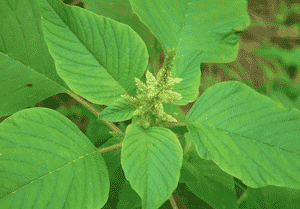
For optimal development, relocate green amaranth during the warmer period from late spring through mid-summer. Choose brightly lit spots featuring soil that drains effectively. When shifting more mature specimens, preserve the root system's integrity to facilitate successful acclimation.
What Preparations are Needed Before Transplanting Green Amaranth?
What is the Ideal Time for Transplanting Green Amaranth?
The best time to move green amaranth is from late spring to mid-summer. This period offers gentle warmth and consistent growing conditions, perfect for green amaranth. Placing green amaranth in your garden then allows for strong root development and adaptation before intense heat. The favorable cycle of longer days and milder nights during this season provides green amaranth with an excellent environment to flourish.
How Much Space Should You Leave Between Green Amaranth Plants?
When relocating your green amaranth, aim for a spacing of about 1-2 feet (30-60cm) between each plant. This provides adequate room for growth, preventing competition for nutrients and sunlight.
What is the Best Soil Mix for Green Amaranth Transplanting?
Your green amaranth thrives in soil that drains well. Before moving the plant, enrich the soil with a foundational fertilizer such as compost or manure. This will supply the essential nutrients for healthy development.
Where Should You Relocate Your Green Amaranth?
The green amaranth loves sunlight and needs full sun to partial shade. As a tip, select a new location where the plant receives at least 4-6 hours of sunlight daily. This will help your green amaranth flourish.
What Equipments Should You Prepare Before Transplantation Green Amaranth?
Gardening Gloves
To safeguard your hands while handling soil and the green amaranth plant.
Trowel
Perfect for excavating holes in the soil during the relocation process.
Watering Can
To gently hydrate the green amaranth before and after its move.
Spade
A larger implement to assist in preparing the ground and moving the green amaranth.
Pruning Shears
To trim any damaged, diseased, or excess foliage prior to transplanting.
Gardening Fork
To gently loosen the soil around the green amaranth before its removal.
Plant Labels
To mark the new location of your green amaranth plant.
How Do You Remove Green Amaranth from the Soil?
How Do You Remove Green Amaranth from the Soil?
From Ground: First, water the green amaranth to moisten the soil. This helps reduce plant stress and simplifies digging. Carefully dig a circle approximately 12 inches from the plant's base using a spade or gardening fork, ensuring you do not disturb or damage the green amaranth's root system. Then, gently lift the plant from the ground.From Pot: Begin by watering the green amaranth to dampen the root ball, making it easier to extract. Turn the pot on its side, holding the green amaranth as close to the soil as possible, then tap the pot to dislodge the plant. If it doesn't come out easily, try squeezing the pot or rolling it gently to loosen the soil.From Seedling Tray: Fill the transplant hole with water and let it soak before placing the green amaranth seedlings. Remove seedlings from the tray by pushing the bottom of each cell, avoiding pulling on the stem. Ensure the root ball remains intact during this process.
Step-by-Step Guide for Transplanting Green Amaranth
Prepare the Site
Dig a hole in the ground that is deep enough for the green amaranth's root system and wider than the plant's spread.
Plant Bed Preparation
Mix the soil with compost to improve water retention and nutrient content. Return it to the hole, leaving space for the green amaranth.
Transplant the green amaranth
Carefully position the plant in the center of the hole, ensuring the top of the root ball is level with the surrounding soil. Fill the hole with the soil-compost mixture.
Watering
After transplanting, water the green amaranth generously but avoid overwatering. This helps the soil settle around the plant's roots.
Mulching
Applying two inches of organic mulch around the green amaranth (without touching the stem) helps retain soil moisture and suppress weeds.
How Do You Care For Green Amaranth After Transplanting?
Consistent Watering
Keep the soil around the green amaranth consistently damp, but not waterlogged, for the initial weeks post-transplant to aid in establishing strong roots.
Mulch Replacement
Replenish mulch around green amaranth as needed; this will help keep the soil cool, maintain moisture, and control weeds.
Monitoring
Regularly check green amaranth for signs of transplant shock, such as yellowing leaves or wilting. If observed, reduce sun exposure and review watering practices.
Pruning
If the green amaranth shows signs of wilting after transplanting, a light pruning may be beneficial to decrease water demand.
Troubleshooting Common Issues with Green Amaranth Transplantation.
When is the ideal time to transplant green amaranth?
The perfect timing to transplant green amaranth falls during the third to fifth seasonal periods (S3-S5).
What is the ideal distance to place green amaranth when transplanting?
You should allow a space of about 1-2 feet (roughly 30-60 cm) between each green amaranth plant during transplant.
Why are my transplanted green amaranth wilting?
Green amaranth may wilt if they've experienced shock during transplanting. Minimize this by transplanting in the cooler, less sunny periods of the day.
My green amaranth are not growing after transplanting, what should do I?
Ensure your green amaranth are getting enough sunlight and water, but not too much of both. Also, check the soil condition and fertility.
What should I do if the leaves of my green amaranth turn yellow after transplanting?
Yellowing leaves could indicate overwatering or a nutrient deficiency. Allow the soil to dry out before watering again, or consider adding a plant-friendly fertilizer.
Should I water green amaranth immediately after transplanting?
Yes, it's important to give green amaranth a good amount of water just after transplanting to help settle the soil and minimize transplant shock.
Are there specific soil conditions for transplanting green amaranth?
Green amaranth prefers well-draining soil rich in organic matter. Ensure the soil isn't too hard or too loose for optimal growth.
I transplanted green amaranth but the leaves are not standing upright, why?
This could be due to transplant shock, overwatering, or insufficient light. A few days of proper care should see them perk up.
Why are my green amaranth plants not flowering after transplantation?
Ensure you're following the correct seasonal period for transplanting. Improper timing can stress green amaranth plants, delaying or preventing flowering.
How often do I water green amaranth after transplanting?
Water green amaranth moderately so that the soil is moist, not waterlogged. Pay attention to your plant's signals - wilting or yellowing could mean too much or too little water.



