How to Transplant Prince's feather?
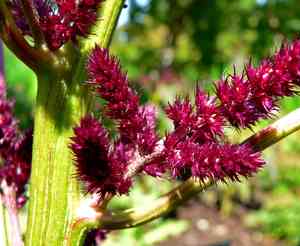
The most suitable period for relocating prince's feather is during the spring renewal phase, specifically from early to mid-spring, leveraging the moderate climate for root development. Select a brightly lit spot with soil that drains effectively to encourage vigorous development.
What Preparations are Needed Before Transplanting Prince's Feather?
What is the Ideal Time for Transplanting Prince's Feather?
The perfect time for moving prince's feather is when spring's warmth emerges, typically after the last frost. This period encourages strong root development and vigorous growth. Placing prince's feather in the garden then allows them to maximize the growing season, leading to a stunning display of their feathery plumes. Transplanting prince's feather in early spring provides ample time for adjustment before summer's peak, resulting in a healthier, more resilient plant.
How Much Space Should You Leave Between Prince's Feather Plants?
For your prince's feather, aim for a separation of approximately 10-18 inches (25-45 cm). This will provide your plants with adequate room to thrive and reach their full size!
What is the Best Soil Mix for Prince's Feather Transplanting?
Prepare a welcoming environment for your prince's feather by blending nutrient-rich soil with a balanced base fertilizer. Choose well-draining soil to ensure happy and healthy roots!
Where Should You Relocate Your Prince's Feather?
Select a sunny location for your prince's feather as they love sunlight! A spot with full sun for at least 6-8 hours daily will help them flourish and grow splendidly.
What Equipments Should You Prepare Before Transplantation Prince's Feather?
Gardening Gloves
To safeguard your hands while handling soil and plants.
Trowel
For digging and moving prince's feather seedlings from containers or trays to the ground.
Spade or Shovel
To excavate the hole for transplanting and to assist in lifting plants from the ground if necessary.
Watering Can or Hose
To hydrate prince's feather before and after relocation.
Pruning Shears
For trimming any dead or damaged roots or foliage prior to transplanting.
Garden Fork
To loosen and aerate the soil around the root area when extracting the plant from its original spot.
Rooting Hormone (optional)
To stimulate root development after transplanting, if desired.
Wheelbarrow
To transport prince's feather and soil as needed.
Mulch
To help maintain soil moisture and regulate soil temperature after transplanting.
How Do You Remove Prince's Feather from the Soil?
How Do You Remove Prince's Feather from the Soil?
From Ground: First, moisten the prince's feather plant to dampen the soil. Then, use a garden fork or spade to gently loosen the soil surrounding the roots. Work carefully around the plant, ensuring a generous amount of soil remains with the root ball. Once loose, slide the spade beneath the root ball and lift the plant from the ground.From Pot: Begin by watering prince's feather to ensure the soil is moist and roots are hydrated. Turn the pot sideways, hold the plant at its base, and tap the bottom to loosen it. Tilt the pot and gently guide the plant out, taking care to support the soil and root ball.From Seedling Tray: Water the tray thoroughly before starting. Use a trowel or similar tool to carefully separate individual prince's feather seedlings from their cells, being cautious not to harm the roots. Lift each seedling by its leaves, not the stem, as this could cause damage.
Step-by-Step Guide for Transplanting Prince's Feather
Preparation
Gather all necessary tools and keep them accessible before beginning the transplanting process.
Removal
Follow the instructions provided in the 'removal_process' section to extract your prince's feather from its initial location without harming the roots.
Digging the Hole
Excavate a hole in the ground that is twice as wide and equally as deep as the prince's feather's root ball. Loosen the soil at the bottom of the hole with a garden fork.
Positioning the prince's feather
Place the prince's feather in the center of the hole. The top of the root ball should be level with the surrounding soil surface.
Refilling the Hole
Backfill the hole with soil, gently firming it around the prince's feather's roots to eliminate air pockets. Do not plant deeper than it was originally.
Watering
Water the prince's feather thoroughly after planting to settle the soil and hydrate the roots. Use a gentle flow to avoid disturbing the soil.
Mulching
Apply a layer of mulch around the base of the prince's feather, being careful not to let it touch the stem, to help retain moisture and control weeds.
How Do You Care For Prince's Feather After Transplanting?
Initial Watering
Water the prince's feather generously immediately after transplanting and continue to water daily or as needed to keep the soil consistently moist until the plant is well-established.
Observation
Monitor your prince's feather for signs of transplant shock, which may include wilting, yellowing leaves, or dropping. Alleviate this by providing shade during the hottest parts of the day for the first couple of weeks.
Pruning
Remove any dead or damaged leaves or stems to direct the prince's feather's energy towards new growth and recovery from the transplanting process.
Support
If the prince's feather is a taller variety, it may benefit from staking or other supports to help it withstand wind and weather as it establishes.
Gradual Acclimatization
Reduce watering frequency as the prince's feather becomes established, but monitor soil moisture to prevent drying out.
Troubleshooting Common Issues with Prince's Feather Transplantation.
How do I know when it's the right time to transplant prince's feather?
Move prince's feather in early to mid-spring, once the risk of frost has passed, to allow ample growing time.
What's the best spacing for prince's feather when transplanting?
For optimal growth, space prince's feather approximately 10-18 inches (25-45 cm) apart. This ensures sufficient room for development.
Should prince's feather be transplanted in full sun or shade?
Place prince's feather in a location that receives full sun, as it thrives with abundant sunlight.
Can prince's feather be transplanted on a windy day?
Avoid transplanting on windy days. Wind can stress prince's feather, leading to dehydration and damage to its foliage.
What soil condition is best for transplanting prince's feather?
Plant prince's feather in well-draining, fertile soil to ensure healthy root development and nutrient absorption.
How often should I water prince's feather after transplanting?
Water prince's feather generously after transplanting to settle the soil. Then, maintain consistent moisture without overwatering.
Is it necessary to fertilize prince's feather right after transplanting?
Wait a few weeks before fertilizing prince's feather to allow it to establish. Use a balanced fertilizer according to package directions.
Should I prune prince's feather when I transplant?
Pruning isnât generally required during transplant. Focus on maintaining the overall health of prince's feather.
What size container is ideal for starting prince's feather before transplanting?
Start prince's feather in a small container that allows roots to grow without crowding, then move to your garden.
What are signs my prince's feather is not taking well to transplanting?
Signs include wilting, yellowing leaves, or stunted growth. Address by checking water, light, and soil conditions.



