How to Transplant Purple amaranth?
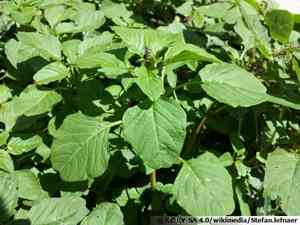
The most favorable period for transplanting purple amaranth extends from the end of spring through mid-summer, capitalizing on warm ground and extended daylight hours. Select a location bathed in sunlight that offers sufficient space for development. If required, amend the soil in advance to enhance the plant's vigor after its move.
What Preparations are Necessary Before Relocating Purple Amaranth?
When is the Optimal Time for Moving Purple Amaranth?
For purple amaranth, the ideal period for relocation is the transition from late spring to early summer. This timing leverages warmer soil temperatures and extended daylight hours, crucial for vigorous development. By selecting this window, purple amaranth benefits from the season's mild conditions, ensuring a smooth adjustment and strong root establishment. This supportive timeframe promotes thriving growth, guaranteeing a plentiful presence in your garden.
What is the Recommended Spacing Between Purple Amaranth Plants?
For purple amaranth, it's advisable to position your transplanting sites approximately 1-2 feet (30-60 cm) apart. This provides each plant sufficient room to expand and flourish without competing for essential nutrients or space.
What is the Best Soil Mixture for Purple Amaranth Relocation?
Your purple amaranth will thrive in well-drained, loamy soil. To ensure a strong start, enrich the planting area with some decomposed compost or a slow-release organic fertilizer. This will supply your plants with the necessary sustenance.
Where Should You Replant Your Purple Amaranth?
Your purple amaranth loves sunlight! Locate a bright, sunny spot in your garden where it will receive at least 6-8 hours of direct sun daily. Remember, a sun-drenched purple amaranth is a happy purple amaranth!
What Tools Should You Prepare Before Transplanting Purple Amaranth?
Gardening Gloves
To safeguard your hands while handling soil and plants.
Quality Transplanting Shovel
Featuring a sharp and robust blade for excavating the plant and placing it in its new spot.
Organic Compost
To enhance soil fertility and provide your plant with a nutritional boost.
Watering Can
To maintain soil moisture, aiding root establishment in the new location.
Garden Trowel
For precise digging during the relocation process.
Stake & String
To offer support and encourage upright growth for your purple amaranth.
How Do You Extract Purple Amaranth from the Ground?
How Do You Extract Purple Amaranth from the Ground?
From Ground: Start by hydrating the purple amaranth plant to moisten the soil. Dig a wide trench around the plant using your transplanting shovel, being careful not to harm the root ball. Gently work the spade beneath the root ball and lift the purple amaranth from its original position.From Pot: Fill the watering can and thoroughly drench the purple amaranth in its container. Then, turn the pot sideways, place your hand over the soil surface, and carefully slide the purple amaranth out of the pot.From Seedling Tray: Water the young plants. Carefully remove the purple amaranth seedling by pushing up from the tray's bottom, ensuring the root ball remains intact and undamaged.
Step-by-Step Guide for Relocating Purple Amaranth
Hole Preparation
Excavate a hole twice the diameter of the purple amaranth's root ball using your garden trowel. Place some organic compost at the bottom of the hole.
Planting
Carefully lower the purple amaranth into the prepared hole. The top of the root ball should be level with the surrounding ground.
Soiling
Backfill the hole with the original soil, pressing down gently to eliminate any air pockets.
Supporting
If your purple amaranth appears unstable or leans, use a stake for support. Secure the purple amaranth to the stake with a soft string to provide stability.
Hydration
Once relocated, give your purple amaranth a thorough watering to settle the soil around the roots and help it adapt to its new environment.
How Do You Care For Purple Amaranth After Relocation?
Watering
Keep the purple amaranth consistently moist but avoid excessive watering to prevent root rot.
Pruning
Remove any withered or unhealthy-looking leaves, which can unnecessarily stress the purple amaranth's system.
Staking
Monitor the stake and ensure your purple amaranth is securely fastened without being too tight.
Observation
Regularly inspect your purple amaranth for any indications of transplant shock, such as wilting or drooping leaves. If needed, shield it from harsh weather until it is fully established.
Troubleshooting Common Issues with Purple Amaranth Relocation.
When is the optimal time to move purple amaranth?
The best time to relocate purple amaranth is during the third to fifth seasons. At this point, their root system is sufficiently developed for movement, and conditions are favorable for growth.
What is the ideal spacing for purple amaranth when relocating?
Aim for a distance of approximately 1-2 feet (30-60 cm). This provides purple amaranth plants ample space to flourish and ensures they won't compete for resources.
What should I do if purple amaranth's foliage turns yellow after relocation?
Yellow leaves might indicate over-watering or inadequate drainage. Ensure your plant is in well-draining soil and you are not providing too much water. Less is often more when it comes to watering!
Why are my relocated purple amaranth wilting?
Purple amaranth can wilt due to transplant shock, a condition caused by an abrupt change in environment. Minimize transplant shock by handling the plant gently during the relocation process and watering it immediately afterward.
How can I address purple amaranth dropping leaves after relocation?
If purple amaranth begins shedding leaves after being moved, it might be experiencing shock. Keep it adequately watered but avoid saturating it, and place it in partial shade until it recovers.
What if my purple amaranth shows no development after relocation?
Patience is crucial in gardening! Ensure that your purple amaranth receives the recommended sunlight, water, and nutrients. If no growth is observed after several weeks, consult a local nursery or agricultural extension office.
Why doesn't my purple amaranth flower after being relocated?
Transplant shock can cause a temporary interruption in plant blooming. Ensure purple amaranth receives sufficient sunlight, water, and nutrients. Flowers should appear once the plant has settled into its new spot.
What should I do if purple amaranth has stunted development after relocation?
Ensure purple amaranth receives enough nutrients, especially nitrogen, phosphorus, and potassium. These are vital for plant growth. Also, check for pests and diseases as they can hinder development.
How deep should I plant purple amaranth when relocated?
When relocating, you should set purple amaranth at the same depth it was growing previously. A general guideline is to make the hole deep enough to comfortably accommodate the plant's root system.
How to handle purple amaranth roots during relocation?
Be gentle with purple amaranth's roots. You should slightly loosen the root ball but avoid tearing or breaking the roots. Water immediately after relocation to help the roots settle in.



