How to Transplant Marsh-mallow?
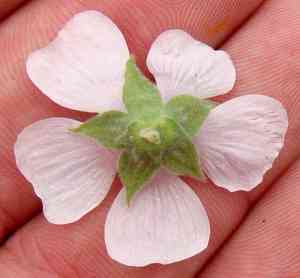
The ideal period for transplanting marsh-mallow is as late spring's warmth transitions into the mild embrace of early summer, allowing for smooth adjustment. Opt for a location bathed in sunlight, featuring damp, adequately draining earth. A gentle reminderâexercise caution when manipulating marsh-mallow's root system to safeguard its vigor.
What Preparations are Needed Before Transplanting Marsh-mallow?
What is the Ideal Time for Transplanting Marsh-mallow?
For marsh-mallow, the optimal period for relocation is from late spring to early summer. This timeframe provides perfect growing conditions, enabling marsh-mallow to establish itself thoroughly before colder weather. Rooting during this season benefits from moderate temperaturesâneither too hot nor too coldâensuring a successful transplant with minimal plant stress. Selecting this window leverages the natural growth cycle of perennials, with longer days offering ample sunlight for photosynthesis, and warming soil encouraging root development. It's an ideal opportunity for marsh-mallow to easily adapt to its new spot and flourish.
How Much Space Should You Leave Between Marsh-mallow Plants?
Begin by ensuring marsh-mallow's new location offers sufficient room. These lovely plants appreciate ample space to expand! Aim for a separation of approximately 1-2 feet (30-60 cm) between each plant. This will guarantee your marsh-mallow has plenty of room to thrive and bloom!
What is the Best Soil Mix for Marsh-mallow Transplanting?
Prepare the soil for your marsh-mallow. They prefer soil that drains well and is rich in organic matter. To give them a strong start, amend the area by incorporating compost or aged manure. This will serve as an excellent foundational fertilizer for the plant and aid in root establishment.
Where Should You Relocate Your Marsh-mallow?
Marsh-mallow enjoys sunlight but also benefits from some shade during the warmest part of the day. A location receiving morning sun and afternoon shade would be perfect. This way, your marsh-mallow gets the best of both environments and will grow robust and attractive!
What Equipments Should You Prepare Before Transplantation Marsh-mallow?
Gardening Gloves
To safeguard your hands while handling soil and marsh-mallow.
Shovel
For digging holes in the ground for transplanting and, if necessary, removing the marsh-mallow from its original spot.
Gardening Trowel
Useful for managing smaller plants, it allows for careful removal of the marsh-mallow while keeping its root system intact.
Watering Can
To hydrate the marsh-mallow in its new setting and maintain moisture during the transplanting process.
Wheelbarrow
To transport the marsh-mallow plant and soil as needed.
Garden Pruners
To trim and cut back the plant if required. This can help stimulate new growth after transplanting.
Stake
Helps the marsh-mallow grow upright; using a stake can be effective, especially in the initial months post-transplantation.
How Do You Remove Marsh-mallow from the Soil?
How Do You Remove Marsh-mallow from the Soil?
From Ground: If your marsh-mallow is currently in the ground, begin by saturating the soil around the plant with water to facilitate digging and reduce stress on the plant. Using a shovel, carefully dig around the plant's perimeter, ensuring a significant distance to avoid damaging the root system. Try to retain as much of the original soil around the roots as possible when lifting the plant from the ground.From Pot: For marsh-mallow in a pot, start by watering the plant to moisten the soil. Then, gently squeeze or twist the pot to loosen the soil and roots. Carefully invert the pot with your hand supporting the top of the soil and the plant, then gently slide the plant out.From Seedling Tray: If the marsh-mallow is in a seedling tray, lightly water the tray beforehand. Gently hold the marsh-mallow at the base of its stem, apply slight upward pressure, and lift it out. Be sure to handle seedlings by their leaves to prevent root damage.
Step-by-Step Guide for Transplanting Marsh-mallow
Preparation
Prepare the planting hole where you intend to transplant the marsh-mallow. Make it twice as wide as the root ball and approximately the same depth.
Position
Place the marsh-mallow into the prepared hole. The top of the root ball should sit slightly above the ground level.
Backfill
Fill the hole with soil, pressing gently to eliminate any air pockets. However, be careful not to compact the soil excessively.
Watering
After transplantation, water the marsh-mallow slowly, allowing the water to penetrate the soil and reach the roots.
Staking
If necessary, stake the marsh-mallow plant to provide support during its initial growth phase after transplanting.
How Do You Care For Marsh-mallow After Transplanting?
Watering
The marsh-mallow should receive regular watering after its transplantation. Ensure the soil remains moist, particularly for the first few weeks.
Pruning
It is advisable to prune the marsh-mallow plant shortly after transplanting. This can help redirect the plant's energy towards root development.
Monitoring
Closely observe the marsh-mallow for a couple of weeks following transplantation. Look for any indications of plant stress, such as wilting or yellowing leaves.
Disease Prevention
Consider applying a transplanter solution or root stimulant to help prevent transplant shock and diseases.
Support
Continue to provide support to the plant as needed, especially if it has been staked. This assists the plant in firmly establishing itself in its new location.
Troubleshooting Common Issues with Marsh-mallow Transplantation.
What is the ideal season for transplanting marsh-mallow?
The optimal period to transplant marsh-mallow is during late summer to early fall, also known as the S3-S4 season.
What is the appropriate distance to maintain between each marsh-mallow plant during transplantation?
Each marsh-mallow plant should ideally be spaced about 1-2 feet (30-60 cm) apart to allow sufficient growing room.
Why is marsh-mallow wilting after transplant?
Wilting can occur due to shock. Keep the plant well-hydrated until it adapts to the new location. Initially, avoid direct sunlight.
Should I prune marsh-mallow during the transplant?
Indeed, moderately prune marsh-mallow during the transplant. It helps balance the root-to-leaf ratio, thereby aiding plant recovery.
What type of soil is best for transplanting marsh-mallow?
Marsh-mallow thrives in well-drained loamy or sandy soil. Ensure optimal soil fertility to achieve plant vigor.
How long does marsh-mallow take to establish after transplant?
Marsh-mallow typically requires several weeks to establish. Ensure consistent watering and care to facilitate a healthy start.
Why isn't marsh-mallow growing properly after transplanting?
Possibly due to insufficient sunlight, poor soil conditions, or pests. Make sure marsh-mallow receives indirect sunlight, rich soil, and is pest-free.
How deep should the holes be when transplanting marsh-mallow?
When transplanting marsh-mallow, dig holes that are twice as wide and just as deep as the plant's root ball.
Do I need to water marsh-mallow immediately after the transplant?
Absolutely, watering marsh-mallow right after transplanting is crucial. It helps alleviate transplant shock and allows roots to establish.
Can marsh-mallow be transplanted in pots?
Yes, marsh-mallow can be transplanted into pots. Just ensure proper pot size for root development and good drainage.



