How to Transplant Sessile Joyweed?
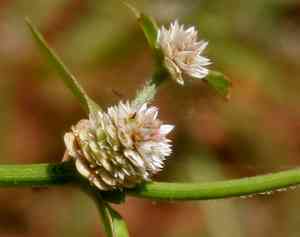
The most favorable period for transplanting Alternanthera sessilis is during the spring season, spanning from its initial emergence to its later stages. Select a location that offers consistent dampness and filtered sunlight. Although relocation is infrequently necessary, performing it can stimulate development.
What Preparations are Needed Before Transplanting Sessile Joyweed?
What is the Ideal Time for Transplanting Sessile Joyweed?
To bring vibrant life to your garden, consider moving sessile Joyweed when winter's chill gives way to gentle warmth â typically mid to late spring. This period is optimal as the consistently warming soil and extended daylight hours offer an ideal setting for sessile Joyweed roots to establish. A friendly reminder: Giving sessile Joyweed a strong start this season can lessen transplant shock, leading to a lush and flourishing display that will impress any gardener!
How Much Space Should You Leave Between Sessile Joyweed Plants?
To allow your sessile Joyweed ample room to flourish, aim for a separation of approximately 6-12 inches (15-30 cm) between individual plants. This ensures they have sufficient area to spread and develop robustly.
What is the Best Soil Mix for Sessile Joyweed Transplanting?
Your sessile Joyweed will thrive in soil that is rich in nutrients and drains effectively. Incorporate a generous amount of organic compost to provide nourishment. A balanced, slow-release fertilizer is an excellent choice to give them a strong start. Target a soil pH between 5.5 and 7.5.
Where Should You Relocate Your Sessile Joyweed?
Select a location for your sessile Joyweed that receives full to partial sunlight, for at least 4-6 hours daily. If you reside in a very hot climate, some afternoon shade will help shield them from intense heat.
What Equipments Should You Prepare Before Transplantation Sessile Joyweed?
Gardening Gloves
To safeguard your hands while handling soil and plants.
Small Shovel or Trowel
For excavating around the plant without harming its root system.
Watering Can or Hose
To hydrate the plant both before and after its relocation.
Gardening Fork
Useful for loosening the soil surrounding the plantâs roots.
Pruning Shears
To trim away any damaged roots or foliage.
Wheelbarrow or Plant Dolly
To move the plant from one spot to another if it is large or heavy.
Measuring Tape
To ensure correct spacing between transplanted specimens.
Stakes or Plant Supports
To offer stability to sessile Joyweed after transplant, if needed.
How Do You Remove Sessile Joyweed from the Soil?
How Do You Remove Sessile Joyweed from the Soil?
From Ground: Hydrate the sessile Joyweed plant to moisten the soil. Dig a wide circle around the plant using a shovel or trowel, leaving ample space for the rootball. Gently insert the shovel beneath the plant to lift it, being careful to keep the rootball intact.From Pot: Water the sessile Joyweed thoroughly. Carefully tap the pot's sides to loosen the soil and roots. Tilt the pot and gently slide the plant out, supporting the stem's base.From Seedling Tray: Water the seedlings well. Use a small tool, such as a spoon or trowel, to carefully lift each plant from its cell, ensuring to support the delicate root system.
Step-by-Step Guide for Transplanting Sessile Joyweed
Preparation
Before removal, ensure sessile Joyweed is adequately watered to help minimize transplant shock.
Removal
Depending on sessile Joyweed's original location (ground, pot, or seedling tray), carefully extract the plant, keeping as much of the root structure intact as possible.
Transportation
If moving sessile Joyweed any distance, place it on a wheelbarrow or plant dolly to prevent root disturbance.
Hole Digging
Upon reaching the new site, excavate a hole twice as wide as the rootball but no deeper, allowing sessile Joyweed's roots room to spread.
Planting
Position sessile Joyweed into the hole at the same depth it was in its previous location. Gradually backfill the hole with soil, gently firming it down to eliminate air pockets.
Watering
After planting, generously water sessile Joyweed to settle the soil around the roots and help reduce transplant stress.
Supporting
If sessile Joyweed appears unstable, use stakes or plant supports to hold it in place until its roots take hold.
Mulching
Apply a layer of mulch around sessile Joyweed's base to retain moisture and suppress weed growth, being careful to keep mulch away from the stem.
How Do You Care For Sessile Joyweed After Transplanting?
Monitoring
Observe sessile Joyweed closely for the initial couple of weeks to ensure it is adapting well to its new environment.
Watering
Initially, keep the soil consistently moist to encourage root development, but be careful not to overwater.
Pruning
Remove any damaged or diseased foliage to promote vigorous growth.
Support Maintenance
Inspect and adjust any stakes or supports as sessile Joyweed grows to ensure they remain effective and do not hinder growth or circulation.
Weed Management
Keep the area surrounding sessile Joyweed clear of weeds that could compete for essential nutrients and water.
Troubleshooting Common Issues with Sessile Joyweed Transplantation.
How to space sessile Joyweed when transplanting for optimal growth?
Position sessile Joyweed with 6-12 inches (15-30 cm) between plants to allow adequate room for development.
What's the best time to transplant sessile Joyweed?
Relocate sessile Joyweed during the period from early to late spring, once the soil begins to warm.
Help! My sessile Joyweed wilts after transplanting; what did I do wrong?
Ensure sessile Joyweed is watered immediately after transplanting and that the soil remains consistently moist.
Why are the leaves of sessile Joyweed turning yellow post-transplant?
Yellow leaves can signal excessive watering or poor drainage. Examine the soil conditions and adjust your watering practices.
Can sessile Joyweed be transplanted on a hot, sunny day?
It's preferable to transplant sessile Joyweed on an overcast day or in the late afternoon to prevent heat stress.
How deep should the hole be for transplanting sessile Joyweed?
The hole should be precisely as deep as the root ball and twice its width to allow for proper root expansion.
Is it necessary to fertilize sessile Joyweed immediately after transplanting?
Wait 3-4 weeks before applying fertilizer to allow sessile Joyweed to establish itself in its new location without added stress.
How soon can I expect new growth after transplanting sessile Joyweed?
With appropriate care, you might observe new growth on sessile Joyweed within a few weeks following transplantation.
What should I do if the stems of sessile Joyweed break during transplanting?
Trim any broken stems cleanly; the plant will typically recover and produce new growth.
How much should I water sessile Joyweed after transplanting?
Keep the soil around sessile Joyweed moist but not waterlogged for the initial few weeks post-transplanting.



