How to Transplant Mitre aloe?
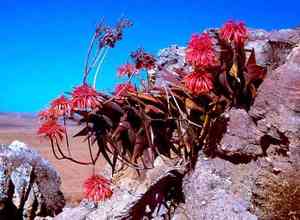
The optimal period for relocating mitre aloe is from early to mid-spring, allowing sufficient time for the specimen to settle prior to the intense summer season. Select a bright spot featuring soil that drains effectively, and contemplate incorporating some organic material to enhance drainage. Exercise caution when handling mitre aloe, given the fragility of its foliage.
Essential Preparations Before Relocating Mitre Aloe?
When is the Optimal Time to Move Mitre Aloe?
The ideal window to transplant your mitre aloe spans from early to mid-spring. During these initial warmer months, the plant has ample opportunity to establish its root system before the intense summer heat. This timing offers benefits such as improved plant health, accelerated growth, and enhanced resilience against summer drought. So, as you tackle your spring cleaning, remember your mitre aloe also benefits from a fresh start. Happy planting!
What is the Recommended Spacing Between Mitre Aloe Plants?
When transplanting mitre aloe, aim for a separation of approximately 12-18 inches (30-45 cm) between each specimen. This spacing provides adequate room for growth and prevents overcrowding among these striking perennials.
What is the Best Soil Mixture for Mitre Aloe Transplantation?
To ensure mitre aloe thrives, prepare a well-draining soil with a sandy or gritty texture. Achieve this by blending regular garden soil with sand, perlite, or pumice. Incorporate a foundational fertilizer, such as slow-release granules or a balanced liquid fertilizer, following the product's instructions.
Where Should You Replant Your Mitre Aloe?
Select a site for mitre aloe that receives full sun to partial shade, ideally 6-8 hours of sunlight daily. This is crucial for the plant's development and vibrant coloration. Avoid overly shaded areas, as this can result in weak growth and poor overall performance.
What Tools Are Necessary Before Transplanting Mitre Aloe?
Gardening Gloves
To safeguard your hands when handling the mitre aloe and working with soil.
Spade or Shovel
For excavating the mitre aloe from its current spot and preparing the new planting hole.
Hand Trowel
When moving from a pot or seedling tray, this is the perfect tool to carefully extract the plant without disturbing its roots.
Watering Can
To hydrate the plants in both their original and new locations.
Wheelbarrow or Bucket
To transport the mitre aloe from its initial position to the new one. These are helpful aids if the mitre aloe has grown quite large.
How to Extract Mitre Aloe from the Soil?
How to Extract Mitre Aloe from the Soil?
From Ground: Begin by gently watering the mitre aloe to make the surrounding soil more manageable. Use your shovel or spade to dig a wide trench around the mitre aloe, ensuring the roots remain intact. Carefully work the spade beneath the root ball and gently lift the plant from the ground.From Pot: If your mitre aloe is in a container, start by watering the plant. Invert the pot, keeping a hand on the soil. If the plant doesn't slide out, tap the pot's rim on a firm surface to loosen the soil and root ball. Avoid forcefully pulling the plant, as this can damage the roots.From Seedling Tray: Water the seedling tray before you begin. Use a small trowel or a fork to carefully lift the mitre aloe out of its cell, taking care not to grasp or tug the delicate stem or roots.
Step-by-Step Guide for Relocating Mitre Aloe
Excavating the Hole
Dig a hole in your chosen spot that is twice as wide and equal in depth to the mitre aloe's root ball. This provides ample room for the roots to spread and prevents constriction.
Preparing the Plant
Gently dislodge excess soil from the mitre aloe's roots, and trim any damaged or dead roots using a clean, sharp implement.
Positioning the Plant
Carefully lower the mitre aloe into the hole. Position it so the base of the stem is level with the surrounding ground, which will aid its adjustment to the new environment.
Backfilling
Fill the area around the root ball with garden soil, gently firming it as you go, but avoid compacting it too much â the roots still require some air circulation.
Watering
Thoroughly water the mitre aloe immediately after transplanting. This will help the plant settle into its new home.
Post-Transplant Care for Mitre Aloe
Observation
For the initial few weeks, closely monitor the mitre aloe. This will help you identify any issues early. Signs of transplant shock include wilting foliage and a lack of new growth.
Watering
Do not overwater your mitre aloe, but ensure the soil remains moderately moist, especially during the first couple of weeks after relocation.
Frost Protection
If nighttime temperatures drop, consider using cloths or covers to shield your newly transplanted mitre aloe from frost damage.
Avoid Pruning
Allow your mitre aloe to concentrate on developing a robust root system in its initial months post-transplant. Postpone any pruning until the plant is well-established.
Addressing Common Issues with Mitre Aloe Transplantation.
What is the optimal time to transplant mitre aloe?
The best time to transplant mitre aloe is from early spring to mid-spring. This allows them sufficient time to establish before winter arrives.
What is the ideal spacing between mitre aloe when transplanting?
Mitre aloe thrive best with a spacing of 12-18 inches (30-45 cm) between each plant. This provides enough room for growth without resource competition.
What type of soil is most suitable for transplanting mitre aloe?
Moderately fertile, well-drained soil is ideal for mitre aloe. Avoid overly compacted or clayey soil to ensure proper root development.
How deep should I plant mitre aloe when transplanting?
Ideally, plant mitre aloe at the same depth as their original container or pot. This prevents burying the stem, which could lead to potential rot.
Should mitre aloe be watered immediately after being transplanted?
Yes, you should lightly water mitre aloe after transplanting to help them settle. However, avoid overwatering as it can cause root rot.
How do I know if mitre aloe are ready for transplanting?
When mitre aloe's roots fill much of its current pot, or when there's clear growth restriction, it's a good indicator they're ready for transplanting.
How should I prepare the transplant site for mitre aloe?
Prepare the transplant site by loosening the soil and incorporating some compost. This not only promotes good drainage but also supplies essential nutrients for mitre aloe.
Can mitre aloe be transplanted directly into a larger pot?
Yes, but transition to a pot that is only one size larger. An excessively large pot may retain too much water, leading to root rot in mitre aloe.
What should I do if the roots of my mitre aloe are damaged during transplanting?
If roots are damaged, gently prune them back before replanting. This encourages new, healthier root growth and reduces stress on mitre aloe.
How long does it take mitre aloe to become established after transplanting?
Mitre aloe generally takes a few weeks to fully establish after transplant. Be patient and consistent with care, ensuring it receives adequate but not excessive water.



