How to Transplant Aloe brevifolia?
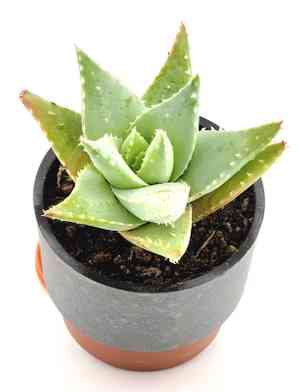
The most suitable period for relocating blue aloe extends from the onset of early spring until the gradual close of autumn. Select a bright spot featuring soil that drains effectively. To ensure robust development, infrequent irrigation after transplanting during arid periods proves advantageous.
What Preparations are Needed Before Transplanting Blue Aloe?
What is the Ideal Time for Transplanting Blue Aloe?
The perfect time to move your blue aloe is when nature gently awakens â typically from the lively start of early spring into the gentle embrace of mid-spring, or during the quiet period from late autumn as it transitions into the first hints of winter. During these times, the mild temperatures and stable weather conditions create an optimal environment for blue aloe to establish new roots without the strain of extreme heat or cold. By selecting these seasons for transplanting, you provide the blue aloe a comfortable window to adjust to its new surroundings, ensuring stronger growth and vitality in the coming months.
How Much Space Should You Leave Between Blue Aloe Plants?
When relocating your blue aloe, aim to provide each plant ample room to thrive by spacing them approximately 12-24 inches (30-61 cm) apart. This will help ensure they have sufficient space to grow without becoming overcrowded!
What is the Best Soil Mix for Blue Aloe Transplanting?
Let's prepare a comfortable home for your blue aloe! Combine a well-draining soil enriched with a cactus or succulent mix, and add some slow-release granular fertilizer to give them a strong start. Sandy soil works wonderfully to keep those roots content and healthy!
Where Should You Relocate Your Blue Aloe?
Find a bright spot in your garden that receives abundant light for your blue aloe, as they thrive in sunshine! A location that gets at least six hours of direct sunlight daily is perfect, allowing them to flourish and reach their full, beautiful potential.
What Equipments Should You Prepare Before Transplantation Blue Aloe?
Gardening Gloves
To safeguard your hands while handling soil and plants.
Trowel
For digging and moving the blue aloe during the relocation process.
Watering Can
To hydrate the blue aloe both prior to and following transplantation.
Measuring Tape
To ensure correct spacing between the transplanted specimens.
Garden Spade or Shovel
For excavating the new planting site and lifting plants with minimal root disturbance.
Pruning Shears
To trim any damaged roots or leaves before replanting.
How Do You Remove Blue Aloe from the Soil?
How Do You Remove Blue Aloe from the Soil?
From Ground: First, ensure the soil surrounding the blue aloe is damp to facilitate easier extraction. Using a garden spade, dig a circle around the plant, being generous to avoid harming the root system. Slide the spade beneath the root ball and gently lift the blue aloe from its original spot.From Pot: Water the blue aloe to help loosen the soil. Turn the container on its side and gently tap to encourage the plant to slide out. If needed, use a trowel around the inner edge to help separate the plant from the pot.From Seedling Tray: Water the young plants. Use a trowel or your fingers to carefully extract the blue aloe from its cell, supporting the base of the plant and being mindful of the delicate root system.
Step-by-Step Guide for Transplanting Blue Aloe
Prepare the New Location
Dig a hole in the ground that is twice as wide and the same depth as the blue aloe's root ball.
Root Pruning
Examine the blue aloe's roots, and use pruning shears to cut away any that are damaged or excessively long.
Placement Checking
Place the blue aloe into the hole and confirm that it is positioned at the same depth as it was in its previous location. Adjust the hole's depth if necessary.
Backfilling Hole
Carefully refill the hole with soil, gently compacting it as you go to eliminate any large air pockets.
Watering In
Water the blue aloe thoroughly to settle the soil around the roots and provide essential moisture for recovery.
Stabilization
If the blue aloe is larger or top-heavy, consider staking it to provide support until its roots have established themselves in the new location.
How Do You Care For Blue Aloe After Transplanting?
Watering Routine
Provide the blue aloe with gentle, consistent watering to keep the soil moist and aid its establishment in the new spot. Be careful not to overwater.
Monitoring Plant Health
Keep a close watch on the blue aloe for indications of transplant shock, such as wilting or leaf discoloration, and address any issues promptly.
Mulching
Apply a layer of mulch around the base of the blue aloe to help maintain soil moisture and temperature.
Protection from Stress
Shield the blue aloe from harsh conditions like strong winds or extreme temperatures as it adapts to its new home.
Troubleshooting Common Issues with Blue Aloe Transplantation.
What's the best time to transplant blue aloe?
The optimal period to transplant blue aloe is during early to mid-spring or late fall to early winter, fostering acclimatization.
How far apart should I space blue aloe when transplanting?
Ensure proper development by spacing blue aloe 12-24 inches (30-61 cm) apart to allow ample room for growth.
Why are the leaves of my transplanted blue aloe turning brown?
Browning foliage can signal transplant shock or watering problems. Gradually acclimate blue aloe to its new site and check soil moisture.
My transplanted blue aloe is wilting. What should I do?
Wilting after transplanting may indicate stress. Ensure the soil drains well, and protect blue aloe from harsh conditions until it's established.
How much should I water blue aloe after transplanting?
Water blue aloe deeply after transplanting to settle the soil, then follow with moderate irrigation until it shows signs of new growth.
Can I transplant blue aloe during the summer?
Transplanting blue aloe in summer is not ideal. If unavoidable, provide extra care, water, and shade to help it cope with stress.
How deep should the hole be for transplanting blue aloe?
Dig a hole approximately as deep as the root ball and twice as wide to give blue aloe a good start in its new home.
Should I feed blue aloe after transplanting?
Delay fertilizing blue aloe until it exhibits new growth, indicating it has recovered from transplant shock and is ready for nutrients.
Can I transplant blue aloe into a pot?
Absolutely! Ensure the pot is suitably sized with a drainage hole and use a well-draining soil mix appropriate for succulents.
How do I handle the roots of blue aloe when transplanting?
Handle blue aloe's roots gently to prevent damage. Carefully spread them outwards and trim any dead or excessively long roots to encourage healthy growth.



