How to Transplant Candelabra aloe?
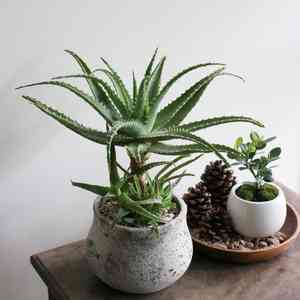
The ideal period for relocating candelabra aloe is from early to late spring or during early winter, enabling the plant to settle prior to the onset of harsh weather. Select a bright spot with soil that drains effectively, and contemplate incorporating additional coarse material to enhance water runoff if required. Relish your thriving candelabra aloe!
What Preparations are Needed Before Transplanting Candelabra Aloe?
What is the Ideal Time for Transplanting Candelabra Aloe?
The best period for relocating candelabra aloe spans from early to late spring, or during the initial part of winter. These times offer optimal temperatures and moisture levels, fostering root establishment and development. Moving candelabra aloe during these windows will boost its chances of flourishing. This makes your pre-transplant efforts worthwhile. So, get ready to help candelabra aloe find its new home!
How Much Space Should You Leave Between Candelabra Aloe Plants?
For transplanting candelabra aloe, an optimal spacing of 2-3 feet (60-90 cm) between plants is recommended to allow these perennials ample room to grow and thrive. This ensures proper air circulation and prevents overcrowding, giving these plants space to expand.
What is the Best Soil Mix for Candelabra Aloe Transplanting?
To prepare the soil for candelabra aloe, ensure it is well-draining, either sandy or loamy. Incorporate a foundational fertilizer, such as compost or aged manure, to supply essential nutrients for healthy development. Be careful not to over-fertilize, as these plants generally have low nutrient requirements.
Where Should You Relocate Your Candelabra Aloe?
To find the perfect spot for transplanting candelabra aloe, select a location that receives full sunlight for 6-8 hours daily. These plants thrive in sunny areas and will flourish with abundant direct sunlight. Ensure the site is protected from strong winds or frost, which can harm these plants.
What Equipments Should You Prepare Before Transplantation Candelabra Aloe?
Gardening Gloves
To shield your hands from thorns and dirt that could cause injury or irritation.
Shovel or Garden Spade
To aid in removing the plant from its original spot without harming the rootball and to dig a hole in the new location.
Trowel
For refining the hole in the new location or for extracting smaller candelabra aloe plants.
Watering Can or Hose
To moisten the soil both before and after the transplanting process.
Wheelbarrow
Useful for transporting the candelabra aloe plant from one spot to another, especially for larger specimens.
Organic Compost
To provide the candelabra aloe plant with extra nutrients in its new location to help it settle in.
Mulch
To safeguard the soil around the plant's root zone and reduce water evaporation.
How Do You Remove Candelabra Aloe from the Soil?
How Do You Remove Candelabra Aloe from the Soil?
From Ground: To extract the candelabra aloe plant from the ground, begin by watering the soil around it to moisten and facilitate removal. Use a shovel or garden spade to dig a wide circle around the plant, ensuring to dig deep enough to preserve the plant's root ball. As you carefully work around the roots, lift the plant out of the ground.From Pot: For a potted candelabra aloe plant, water it lightly before starting. Turn the pot sideways, place your hand at the base of the plant, and gently pull it out. If it resists, you might need to tap the base or sides of the pot to loosen the soil.From Seedling Tray: For seedlings in a tray, dampen the soil and carefully handle each seedling by its leaves, not its stem. Use a spoon or a small trowel to scoop the seedling out with its roots and some surrounding soil.
Step-by-Step Guide for Transplanting Candelabra Aloe
Site Prep
Ensure the transplant site is prepared before you begin removing the candelabra aloe from its original spot. The new hole should be wide and deep enough to comfortably accommodate the plantâs root ball. Add a layer of organic compost to the hole to enrich the soil.
Transplanting
Carefully place the plant in the hole, making sure the top of its root ball is level with the soil surface. Backfill the hole with soil, gently tamping it down around the plant.
Final Touches
Cover the transplanted area with mulch, leaving some space around the plant stem. This will help retain soil moisture and protect the plant from harsh weather. Water the plant thoroughly after transplanting.
How Do You Care For Candelabra Aloe After Transplanting?
Watering
Initially, water the candelabra aloe thoroughly and consistently until it becomes established. Afterward, watering should be less frequent but deep, allowing the soil to dry out between waterings.
Disease Monitoring
Keep a close watch on the leaves of your candelabra aloe for any indications of stress or illness. Should you notice any discoloration or damage, consult a nursery or local gardening expert.
Pruning
Remove any withered or discolored leaves that may appear due to transplant shock. This also helps the plant direct its energy towards new growth.
Troubleshooting Common Issues with Candelabra Aloe Transplantation.
When is the best time to transplant candelabra aloe?
The ideal time for transplanting candelabra aloe is either early to late spring or early winter. This allows the plant to acclimate before extreme seasonal temperatures.
What's the ideal spacing when planting candelabra aloe?
When planting candelabra aloe, allow ample space of approximately 2-3 feet (60-90 cm) between each plant. This promotes healthy growth and plant development.
How to prepare the soil before transplanting candelabra aloe?
Ensure the soil has good drainage, and line the bottom of the planting hole with a thick layer of coarse sand or small stones.
How should I handle the root ball when transplanting candelabra aloe?
Handle the root ball gently to prevent damage. If the roots are tangled, carefully untangle them before placing the plant in the prepared hole.
What's the suitable depth to plant candelabra aloe?
Ensure candelabra aloe is planted at the same depth it was previously growing. Planting too shallow or too deep can negatively impact its overall growth and well-being.
How frequently should I water candelabra aloe after transplanting?
Initially, water candelabra aloe thoroughly. Thereafter, water it sparingly, as overwatering can potentially lead to root rot. Candelabra aloe is particularly drought-tolerant.
What's the right way to settle candelabra aloe after transplanting?
Gently firm the soil around candelabra aloe after transplanting and apply a thick layer of mulch around the base of the plant to retain moisture.
What type of soil does candelabra aloe prefer?
Candelabra aloe thrives in well-draining soil. A sand or gravel-based soil enriched with organic matter would be perfect to ensure robust growth.
Is it necessary to prune candelabra aloe after transplanting?
Pruning isn't mandatory, but removing old, diseased, or damaged parts can enhance the plant's growth and overall health after it's transplanted.
Does candelabra aloe need direct sunlight after transplanting?
Candelabra aloe prefers a sunny spot but can tolerate partial shade. However, ensure it receives at least 6 hours of bright, indirect sunlight daily.



