How to Transplant Alocasia sanderiana?
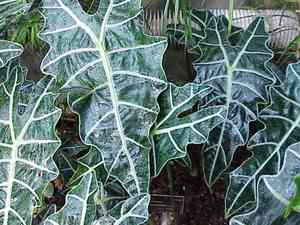
The ideal period for relocating kris plant is during the pleasant temperatures of early to mid-summer, which encourages vigorous development. Position it in a dim, moist location and contemplate amending the earth for superior acclimation after transplantation.
What Preparations are Needed Before Transplanting Kris Plant?
What is the Ideal Time for Transplanting Kris Plant?
The best time to move kris plant is at the start of the warm season, typically early to mid-summer. This period provides an excellent environment for growth due to longer days and higher temperatures, which are vital for kris plant's recovery and root establishment after transplanting. Moving kris plant then ensures it has ample time to adjust to its new spot while benefiting from summer's vigorous growth phase. This gives kris plant the best chance to flourish in its new setting, as the mild weather conditions lessen transplant shock and promote strong root development.
How Much Space Should You Leave Between Kris Plant Plants?
For your kris plant, ensure ample room for development. A spacing of approximately 1-2 feet (30-60 cm) between each plant is optimal. It requires space for its foliage to spread!
What is the Best Soil Mix for Kris Plant Transplanting?
Your kris plant prefers soil that drains well. Incorporate organic matter or compost into the ground. A suitable starter fertilizer, such as a slow-release granular 14-14-14, will provide initial nourishment.
Where Should You Relocate Your Kris Plant?
Choose a spot that receives filtered sunlight, as kris plant can be sensitive to direct sun exposure. A shaded or partially shaded area is often perfect for it!
What Equipments Should You Prepare Before Transplantation Kris Plant?
Gardening Gloves
To safeguard your hands while handling soil and the kris plant plant.
Shovel or Spade
Useful for digging up the plant from its original spot, or creating a new hole in the ground for replanting.
Watering Can
This will be utilized to hydrate the plant before, during, and after transplantation to ensure its healthy growth.
Gardening Pruners
Essential for trimming dead or damaged roots to encourage healthier growth post-transplant.
Compost
Organic material to be incorporated into the soil before replanting to boost the plant's growth. It enhances soil structure, texture, and aeration.
Rake
Helpful for leveling the ground in the new location.
Trowel
Smaller than a shovel, this tool will be useful for delicate tasks such as removing excess soil from the plantâs roots.
How Do You Remove Kris Plant from the Soil?
How Do You Remove Kris Plant from the Soil?
From Ground: First, keep the soil around the kris plant plant moist but not waterlogged. This step will facilitate easier removal of the plant from the ground with minimal root damage. Use your spade to dig a wide circle around the plant, far enough away to avoid cutting into the roots. Gently lift the plant from the ground, preserving as much of the root system as possible.From Pot: Begin by watering your kris plant plant. Then, tilt the pot sideways, hold the plant gently at its base, and try to slide it out. In most cases, it should come loose easily. If it doesnât, gently press on the sides of the pot to loosen the soil and root ball.From Seedling Tray: If kris plant plant has been growing in a seed tray, water it first to moisten the soil. This will prevent any damage to the young, delicate roots. Hold the seedling at the root ball and gently pull it out, ensuring as little root damage as possible.
Step-by-Step Guide for Transplanting Kris Plant
Root Trimming
After the kris plant plant has been removed from its original spot, inspect the roots. Use your gardening pruners to snip off any dead or damaged roots.
Hole Preparation
Use your shovel to excavate a hole that is twice as wide and as deep as the plant's root ball. Keep the top layer of soil separate from the lower layers. Mix some compost into the bottom half.
Positioning the Plant
Place the kris plant plant in the center of the hole so that the top of the root ball is level with the ground surface. Backfill the hole with the soil-compost mixture, gently firming it down around the base of the plant.
Watering
Use your watering can to thoroughly water the plant. This will settle the soil and ensure that the plant receives sufficient moisture for its roots to establish in the new location.
How Do You Care For Kris Plant After Transplanting?
Irrigation
Water the kris plant plant regularly but avoid saturating the soil. After the initial watering post-transplant, observe the plant to determine when the next watering is needed. This largely depends on the weather and the plant's condition.
Pruning
Remove any dead or dying foliage to allow the plant to direct its energy towards new growth. Prune as necessary to maintain your kris plant plant's health and appearance.
Monitoring
Keep an eye out for any pests or diseases. Take appropriate measures, such as using natural insecticides, at the first signs of issues to ensure your kris plant plant remains healthy and robust.
Troubleshooting Common Issues with Kris Plant Transplantation.
When is the best time of year to transplant kris plant?
For kris plant, the optimal seasons for transplanting are S4-S5, which means late summer to early autumn, when the plant's growth slows.
What should the distance be between kris plant plants when transplanting?
Ensure to provide kris plant with adequate space to grow. Plant them 1-2 feet (30.48 - 60.96 cm) apart for optimal development.
Why is it necessary to water kris plant thoroughly before transplanting?
Thoroughly watering kris plant before transplanting helps to loosen the soil and assists in root mass removal, while also reducing transplant shock.
How deep should the planting hole be for kris plant?
For kris plant, the planting hole should be twice as wide and as deep as the plant's root ball for better establishment.
Should I amend the soil before transplanting kris plant?
Yes, incorporating compost or well-rotted manure into the planting hole for kris plant improves soil richness, enhancing growth and health.
How quickly should kris plant be transplanted after you remove it from the container?
To prevent root desiccation, kris plant should ideally be moved to its new location immediately after being taken out of its original container.
What kind of light conditions should kris plant be transplanted to?
Kris plant thrives in indirect light, so relocate it to a spot where it will receive dappled sunlight for optimal health and growth.
What kind of aftercare do newly transplanted kris plant plants require?
Water kris plant generously after transplanting to settle the soil and minimize transplant shock. Continued regular watering is crucial until it is established.
Why are the leaves on my transplanted kris plant drooping?
Drooping leaves post-transplant could indicate transplant shock. Therefore, allow kris plant some time to adjust to its new surroundings.
How do I know if I've transplanted kris plant successfully?
If kris plant exhibits new growth a few weeks after transplanting by producing new leaves, then the transplant was successful.



