How to Transplant Alocasia reginula?
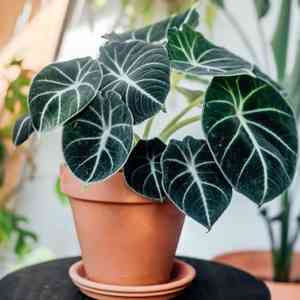
Alocasia reginula flourishes when repotted between mid and late spring, benefiting from ideal growing circumstances. Provide a spot with ample, filtered illumination and elevated temperatures for proper adjustment. Utilize a potting mix that drains efficiently to foster robust root development.
What Preparations are Needed Before Transplanting Alocasia Reginula?
What is the Ideal Time for Transplanting Alocasia Reginula?
The best time for moving alocasia reginula is from mid to late spring, when temperatures rise and daylight hours extend. During this period, the plant benefits from vigorous growth as it adapts and establishes its root system more rapidly. This improves the plant's overall health and resilience, ensuring a successful relocation process.
How Much Space Should You Leave Between Alocasia Reginula Plants?
For alocasia reginula, position each plant 18 to 24 inches (45 to 60 cm) apart. This spacing ensures ample room for growth and prevents root competition for nutrients and water.
What is the Best Soil Mix for Alocasia Reginula Transplanting?
Utilize well-draining soil rich in organic matter for transplanting alocasia reginula. Prepare the soil by incorporating a balanced, slow-release fertilizer to support healthy development.
Where Should You Relocate Your Alocasia Reginula?
Select a partially shaded spot for alocasia reginula. They thrive in bright, indirect light. Excessive direct sun can scorch their leaves, while insufficient light will hinder their development.
What Equipments Should You Prepare Before Transplantation Alocasia Reginula?
Gardening Gloves
To safeguard your hands when handling soil and plants.
Shovel or Spade
For digging around and lifting the plant from its initial spot.
Hand Trowel
For excavating smaller or more precise holes in the new planting area.
Watering Can
To hydrate the plant before and after its relocation.
Compost
To enrich the soil at the new planting location.
Mulch
To help retain moisture and suppress weeds around the newly planted specimen.
Pruning Shears
To trim any damaged roots or leaves during the transplanting procedure.
Garden Fork
To help loosen the soil if moving from the ground.
How Do You Remove Alocasia Reginula from the Soil?
How Do You Remove Alocasia Reginula from the Soil?
From Pot: Start by thoroughly watering the pot to loosen the soil. Gently tilt the pot sideways and carefully slide the alocasia reginula plant out, supporting the root ball with your hand. If the plant resists, tap the pot's sides to aid release.From Ground: First, water the alocasia reginula plant to moisten the soil. Next, dig a wide trench around the plant using a shovel or spade, ensuring the plantâs root ball remains intact. Carefully work the spade beneath the root ball to lift the plant from its original position.From Seedling Tray: Water the seedlings well before transplanting. Use a hand trowel to gently lift each seedling from the tray, making sure to keep the root ball and surrounding soil intact.
Step-by-Step Guide for Transplanting Alocasia Reginula
Site Preparation
Prepare the new location by digging a hole that is twice as wide and as deep as the alocasia reginula plant's root ball. Incorporate compost into the soil at the bottom of the hole to supply nutrients.
Plant Placement
Position the alocasia reginula plant in the hole, ensuring the top of the root ball is level with the surrounding ground. Adjust the soil in the hole as needed to achieve the correct height.
Filling the Hole
Gently backfill the hole with soil, pressing lightly to eliminate any air pockets. Avoid compacting the soil excessively as it can impede root development.
Watering
Water the plant thoroughly after transplanting to help settle the soil and minimize transplant shock. Ensure the water reaches the roots by saturating the soil around the plant.
Protecting the Plant
Apply a layer of mulch around the base of the alocasia reginula plant, keeping it a few inches away from the stem. This helps to retain moisture and deter weeds.
How Do You Care For Alocasia Reginula After Transplanting?
Watering
Keep the soil around the alocasia reginula consistently moist, but not waterlogged, for the initial weeks post-transplant to aid in establishing strong roots.
Monitoring
Regularly inspect the plant for any indications of stress or disease. Address any issues promptly to ensure a healthy adjustment.
Support
If the alocasia reginula plant is tall or top-heavy, consider providing support with stakes or garden ties until it becomes well-established.
Pruning
Remove any damaged or dead leaves to reduce strain on the plant and encourage vigorous new growth.
Troubleshooting Common Issues with Alocasia Reginula Transplantation.
When is the best time to transplant alocasia reginula?
The ideal period to relocate alocasia reginula is from mid-spring to late spring for optimal growth.
How far apart should I space alocasia reginula plants?
Position each alocasia reginula plant 18-24 inches (45-60 cm) apart to ensure proper development.
What soil type is best for transplanting alocasia reginula?
Alocasia reginula thrives in well-draining, rich, and slightly acidic soil for optimal results.
How should I prepare the ground for transplanting alocasia reginula?
Loosen soil to 12 inches (30 cm) deep and mix in compost for nourishment.
How do I care for alocasia reginula after transplanting?
Keep the soil consistently moist and provide indirect sunlight to help alocasia reginula adjust.
What should I do if alocasia reginula leaves start yellowing after transplanting?
Ensure alocasia reginula receives adequate water and is not in direct sunlight to prevent stress.
How to avoid transplant shock in alocasia reginula plants?
Transplant alocasia reginula during the cooler parts of the day and minimize root disturbance.
How deep should I plant alocasia reginula during transplanting?
Plant alocasia reginula at the same depth it was growing in its previous container for stability.
Should I fertilize alocasia reginula immediately after transplanting?
Wait a few weeks post-transplant before fertilizing to avoid burning the roots.
What watering schedule should I follow for newly transplanted alocasia reginula?
Water alocasia reginula thoroughly right after transplanting and keep the soil evenly moist thereafter.



