How to Transplant Chinese taro?
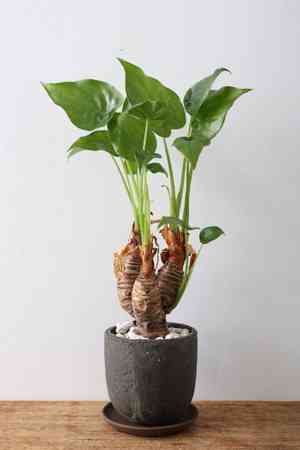
Relocate chinese taro from mid-spring through early summer, or from late autumn to late winter, to ensure its best development. Select a site that drains effectively and receives ample indirect light. Be aware of its roots' susceptibility to frost and offer adequate safeguarding in colder periods. Enjoy your transplanting!
What Preparations are Needed Before Transplanting Chinese Taro?
What is the Ideal Time for Transplanting Chinese Taro?
The best time to move chinese taro is from 'mid-spring to early-summer' or 'late autumn through the winter-end'. This period offers optimal conditions for growth, promoting strong root development for chinese taro.
How Much Space Should You Leave Between Chinese Taro Plants?
To provide your chinese taro ample room for development, position them 18 - 24 inches (45 - 60 cm) apart when relocating. This spacing ensures sufficient space for root expansion and outward growth.
What is the Best Soil Mix for Chinese Taro Transplanting?
For chinese taro, prepare a soil mixture that drains well and is rich in organic material, such as peat or compost. Apply a balanced, slow-release granular fertilizer as per the manufacturer's directions, to supply essential nutrients for healthy growth.
Where Should You Relocate Your Chinese Taro?
Select a spot in your garden that receives partial to bright indirect sunlight, as chinese taro can be sensitive to intense direct sun. This will aid in their healthy growth while shielding their attractive leaves from sun damage.
What Equipments Should You Prepare Before Transplantation Chinese Taro?
Gardening Gloves
To safeguard your hands while handling soil and plants.
Shovel or Spade
For digging holes and lifting the plant from its initial spot.
Pruner or Scissors
For trimming damaged or overly dense roots.
Watering Can or Hose
For hydrating the plant before and after relocation.
Trowel
For precise adjustment of the planting hole's depth and width.
Soil Amendment or Compost
To blend with the existing soil, enhancing drainage and fertility.
Measuring Tape
To ensure correct spacing between plants if moving multiple chinese taro.
How Do You Remove Chinese Taro from the Soil?
How Do You Remove Chinese Taro from the Soil?
From Ground: First, water the chinese taro plant to moisten the soil. Then, dig a wide trench around the plant using a shovel or spade, ensuring the plant's root ball remains intact. Carefully work the spade beneath the root ball to lift the plant from its original location.From Pot: Water the chinese taro plant in the pot to facilitate its removal. Invert the pot while gently supporting the plant's base. Tap the bottom and sides of the pot to loosen the soil and root ball. Carefully extract the plant from its pot without harming the roots.From Seedling Tray: Water the chinese taro seedlings to help them slide out more easily. Use a small trowel or your fingers to gently loosen the soil around the seedling's base. Carefully lift the seedling by its root ball, avoiding any damage to the delicate roots.
Step-by-Step Guide for Transplanting Chinese Taro
Site Selection
Choose a location with suitable climate and drainage for your chinese taro to reach its full size.
Digging
Excavate a hole twice the width and depth of the chinese taro's root ball, using a shovel or spade.
Soil Amendment
Incorporate soil amendment or compost into the native soil, improving its drainage and fertility.
Planting Hole Adjustment
Adjust the planting hole's depth so that the chinese taro's root ball is level with the surrounding ground. Use a trowel for fine-tuning.
Placing the Plant
Gently lower the chinese taro into the planting hole, ensuring its root ball is flush with the surrounding soil.
Filling
Backfill the planting hole with the amended soil, gently pressing it down around the chinese taro's root ball to eliminate air pockets and secure the plant.
Watering
Thoroughly water the chinese taro to help settle the soil and establish strong roots in its new spot.
How Do You Care For Chinese Taro After Transplanting?
Watering
Keep the soil around the chinese taro consistently moist, but not waterlogged, for the initial few weeks post-transplant to aid in root establishment.
Mulching
Apply a layer of organic mulch around the base of the chinese taro to help retain moisture and regulate soil temperature.
Regular Pests Check
Regularly inspect your chinese taro for signs of pests or disease, addressing any issues as needed to maintain its health and vigor.
Fertilizing
Follow a feeding schedule appropriate for the chinese taro, typically a slow-release fertilizer applied in the spring to support healthy growth.
Pruning
Trim away any damaged or yellowing leaves to encourage new growth and maintain the desired shape of the chinese taro. Remove spent flowers to keep the plant looking tidy.
Troubleshooting Common Issues with Chinese Taro Transplantation.
When is the best time to transplant chinese taro?
For chinese taro, the optimal period for relocation spans from mid-spring to early summer, as well as from late fall through late winter.
What is the optimal spacing needed when transplanting chinese taro?
Provide your chinese taro ample room to flourish. Position them approximately 18 to 24 inches (45 to 60 cm) apart from one another.
Why is my chinese taro wilting after transplantation?
The chinese taro is likely experiencing transplant shock. Maintain consistent watering and avoid excessive sunlight until it recovers.
What to do when chinese taro's leaves turns yellow after transplantation?
Yellow leaves post-transplant could indicate overwatering chinese taro. Allow the soil to dry between irrigation periods.
How should I prepare the soil while transplanting chinese taro?
Ensure the soil drains well and is rich in organic matter before moving chinese taro. It prefers slightly acidic to neutral pH levels.
What can cause leaf curling in chinese taro after transplanting?
Curling leaves in chinese taro after relocation might be due to insufficient watering or overexposure to sunlight. Adjust conditions accordingly to resolve the problem.
Why has the growth rate of chinese taro slowed down after transplanting?
Chinese taro requires time to adapt to its new environment post-transplant. If it has adequate water, light, and nutrient supply, it should soon recover.
How do I safeguard my transplanted chinese taro from pests?
To protect your chinese taro from pests after transplanting, prevent water stagnation and regularly wipe down leaves for any visible pests.
What could cause root rot in chinese taro post-transplanting, and how can I react?
Excessive watering could lead to root rot in chinese taro after transplanting. If the issue persists, consider replanting in fresh, well-draining soil.
Is there a need to prune chinese taro after transplanting?
Pruning isn't essential, but removing any wilted or diseased leaves post-transplant could potentially enhance the overall growth of the chinese taro.



