How to Transplant Elephant's ear?
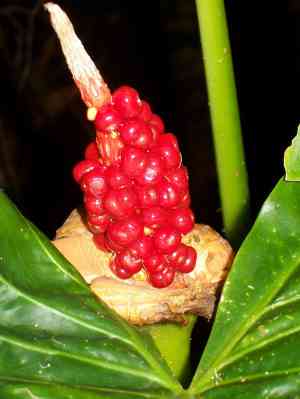
To ensure vigorous development, transplant elephant's ear once temperatures rise and freezing conditions subside, generally in late spring or early summer. Place it in a location receiving ample, filtered light, with soil that drains effectively. Advice: A slow adjustment period avoids stress, guaranteeing a smooth shift.
What Preparations are Needed Before Transplanting Elephant's Ear?
What is the Ideal Time for Transplanting Elephant's Ear?
The best time to move elephant's ear is from the peak of spring to early summer. This period offers mild weather, encouraging strong root growth without the stress of extreme heat. Relocating elephant's ear during this season maximizes its growth potential, ensuring a smooth transition to its new location. A helpful hint: 'Utilize the gentle spring breezes and the warmth of early summer to give your elephant's ear an excellent start in its new home!'
How Much Space Should You Leave Between Elephant's Ear Plants?
When relocating your elephant's ear, ensure each plant has ample room to develop. Ideally, position them approximately 2-3 feet (60-90 cm) apart. This guarantees sufficient space for their leaves and roots to spread.
What is the Best Soil Mix for Elephant's Ear Transplanting?
Your elephant's ear thrives in rich, well-draining soil, so enrich the ground with plenty of organic material or compost. A slow-release balanced fertilizer can also provide a great start for your plant. Remember to avoid soggy soil to prevent root decay.
Where Should You Relocate Your Elephant's Ear?
Select a suitable spot for your elephant's ear where it will receive partial to full shade. Direct sunlight can diminish its vibrant color, so a location that avoids direct sun but is still brightly lit would be perfect.
What Equipments Should You Prepare Before Transplantation Elephant's Ear?
Gardening Gloves
To safeguard your hands from sharp implements and potentially irritating substances in the soil or plant material.
Garden Shovel or Spade
To excavate a hole in the ground large enough to accommodate the elephant's ear's root ball.
Garden Trowel
Useful for smaller, more precise digging tasks, such as loosening the plant if it is in a container.
Watering Can or Hose
To hydrate the plant after relocation, encouraging the roots to settle into the new soil.
Bucket or Wheelbarrow
Convenient for transporting the plant and its root ball from its original spot to its new position.
Gardening Fork or Hand Rake
Helpful for aerating the soil in the new planting area, facilitating easier root establishment.
How Do You Remove Elephant's Ear from the Soil?
How Do You Remove Elephant's Ear from the Soil?
From Pot: First, gently water the elephant's ear in its container to ease the removal process. Tilt the pot sideways and hold the plant at its base, carefully pulling while supporting the pot's bottom. The root ball should slide out with the soil. If not, tap the pot's sides to loosen it.From Ground: Begin by watering the area around the elephant's ear plant to moisten the soil, making root extraction simpler. Dig a wide trench around the plant, ensuring the root ball remains intact. Use a garden shovel or spade to carefully work beneath the root ball, and gently lift the plant from the ground.From Seedling Tray: Water the seedling tray to dampen the soil. Gently loosen the soil around the elephant's ear seedling using a small trowel or your fingers. Carefully lift the seedling by its leaves, avoiding pulling on the stem.
Step-by-Step Guide for Transplanting Elephant's Ear
Preparation
Water your elephant's ear plant thoroughly before beginning the transplanting process. This can help reduce transplant shock and aid the plant in adapting better to its new location.
Digging the Hole
Use your garden shovel to excavate a hole that is twice the width and the same depth as the root ball of your elephant's ear.
Placing the Plant
Carefully position the elephant's ear in the hole. The top of the root ball should be level with the surrounding soil surface.
Replace the Soil
Backfill the hole, gently firming the soil around the base of your elephant's ear.
Water Well
Provide your plant with a good amount of water. This will help the soil settle and eliminate any air pockets.
How Do You Care For Elephant's Ear After Transplanting?
Watering Frequency
After transplanting, the elephant's ear will require consistent watering to establish its roots. Be careful not to overwater, as this can lead to root rot.
Growth Monitoring
Observe your elephant's ear's development. If it appears to be wilting or its leaves are yellowing, it may be experiencing transplant shock. Additional care and attention might be necessary.
Pest Control
Watch for signs of pests or diseases. Early detection can help prevent extensive damage. Use beginner-friendly, organic pest control methods, if required.
Troubleshooting Common Issues with Elephant's Ear Transplantation.
What's the best time of year to transplant elephant's ear?
The optimal period to transplant elephant's ear is between late summer and early fall (S3-S6). This ensures ideal growth.
What's ideal spacing when transplanting elephant's ear?
An ideal spacing for elephant's ear is 2-3 feet (60-90 cm). This provides each plant ample room to grow and thrive.
Does elephant's ear need special soil for transplanting?
Elephant's ear isn't particular, but it prefers rich, organic, well-draining soil. This encourages healthy root development and growth.
How deep should the hole be when transplanting elephant's ear?
Dig a hole that's twice the diameter of the pot, and the same depth. This ensures the roots can comfortably spread.
What if the leaves of my transplanted elephant's ear start drooping?
Drooping leaves can indicate overwatering or underwatering. Check soil moisture and adjust your watering schedule accordingly for elephant's ear.
How much water does my newly transplanted elephant's ear need?
Water elephant's ear until the soil is moist, not saturated. It prefers consistently moist soil, but not standing water.
Do I need to fertilize elephant's ear after transplanting?
Elephant's ear would benefit from a small amount of slow-release granular fertilizer after transplanting. It helps them adapt to their new environment.
Can I transplant elephant's ear close to other plants?
Elephant's ear requires its own space to grow. Ensure you maintain a spacing of 2-3 feet (60-90 cm) from other plants.
What if elephant's ear isn't growing after transplanting?
Ensure elephant's ear is receiving appropriate water and light, the soil drains well, and the temperature is suitable. If all is well, allow it time.
What should I do if the leaves of elephant's ear turn yellow post-transplant?
Yellowing leaves can be a sign of root rot or nutrient deficiency. Check the soil moisture and review your watering and fertilizing schedule.



