How to Transplant Red alder?
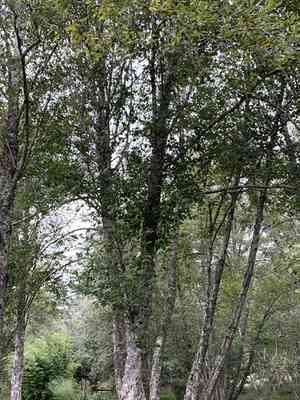
The revitalizing period following winter offers red alder an ideal environment for root development. Choose a sunny spot with damp ground to foster its expansion. Exercise caution when planting, allowing its inherent strength to flourish.
What Preparations are Needed Before Transplanting Red Alder?
What is the Ideal Time for Transplanting Red Alder?
The perfect time for moving red alder is during the spring awakening. This season offers the moderate temperatures and increased daylight red alder needs for root establishment. Moving red alder in this period of renewal allows it the full growing season to develop a strong root system, which is vital for its survival and growth. The mild weather and soil moisture of this time aid in red alder's transition, promoting recovery from the move and encouraging growth. This timing also prepares red alder for the summer's intensity, allowing it to enter this more demanding season with vigor. To best care for your red alder, transplanting it during this season aligns with nature's cycles, leading to a flourishing, leafy companion.
How Much Space Should You Leave Between Red Alder Plants?
When relocating red alder, strategic spacing is essential. Aim for approximately 20-25 feet (6-7.6 meters) apart. This ensures each plant has sufficient room to grow, extending their branches without impeding each other's development.
What is the Best Soil Mix for Red Alder Transplanting?
Prepare the soil by loosening it and incorporating organic matter, such as compost or a slow-release fertilizer, before planting red alder. They prefer acidic soil, so if your soil isn't naturally acidic, consider adding a small amount of sulfur.
Where Should You Relocate Your Red Alder?
You'll want to select a sunny location for your red alder. These plants thrive in full sunlight but can tolerate partial shade. Choose a spot that receives at least six hours of direct sunlight daily for optimal results.
What Equipments Should You Prepare Before Transplantation Red Alder?
Gardening Gloves
To protect your hands while handling the plant and working with the soil.
Trowel
Useful for digging small holes and for removing the red alder from pots or trays.
Spade or Shovel
Required for digging larger holes in the ground and extracting the red alder if it is already planted in the ground.
Bucket or Wheelbarrow
For moving the red alder from its original spot to the new location.
Watering Can or Hose
To dampen the soil and water the red alder both before and after transplanting.
How Do You Remove Red Alder from the Soil?
How Do You Remove Red Alder from the Soil?
From Ground: Begin by watering the red alder to soften the surrounding soil. Carefully dig around the red alder using a spade or shovel, ensuring the root ball remains intact. Gently pry the spade beneath the root ball to lift the red alder from its original position, minimizing root damage.From Pot: First, slightly moisten the soil. Tilt the pot on its side and carefully slide the red alder out, being careful not to tear the roots. If the red alder doesn't easily come out, tap the sides of the pot to loosen it.From Seedling Tray: Water the tray to moisten the soil. Use a trowel or a spoon to carefully remove the red alder by scooping it out, protecting the roots from damage.
Step-by-Step Guide for Transplanting Red Alder
Preparation
Prepare the chosen site by digging a hole twice the width of the red alder's root ball and similar in depth. Loosen the soil at the bottom of the hole.
Positioning
Carefully place the red alder in the hole, ensuring the top of the root ball is level with the ground surface.
Backfilling
Gently refill the hole with the excavated soil, pressing down lightly around the base of the red alder to ensure it stands upright and to remove any air pockets.
Watering
Thoroughly water the red alder immediately after planting to settle the soil and to give the roots a good start.
How Do You Care For Red Alder After Transplanting?
Initial Care
Maintain consistent watering of the red alder for the first few weeks post-transplant, ensuring the soil stays evenly moist to help the roots establish.
Monitoring
Watch for signs of stress such as wilting, discolored or dropped leaves, and take necessary actions.
Protection
Since red alder is a deciduous plant, make sure to shield it from extreme temperatures and wind until it is well established.
Troubleshooting Common Issues with Red Alder Transplantation.
When is the best time to transplant red alder?
The ideal time to move red alder is during the periods of S1-S3. This timeframe provides optimal conditions for the plant's transition and survival.
What should be the ideal spacing between red alder plants?
For optimal growth, spacing between red alder should be around 20-25 feet (6-7.5 meters). This allows enough room for each plant to spread its roots and branches.
How deep should I dig to transplant red alder?
You should dig a hole twice the width and the same depth as the root ball. This gives red alder plenty of space to establish its roots without distress.
What care does red alder need after transplantation?
Red alder requires consistent moisture, so water the plant generously after transplanting and regularly afterwards. Mulching around the base can also aid in moisture retention.
Will red alder be affected by transplant shock and how to manage it?
Yes, red alder may experience transplant shock. Regular watering and adding root stimulator to the planting hole can assist in mitigating this stress.
Should I prune red alder before transplanting?
Any dead, damaged or diseased branches should be pruned before transplanting. However, avoid heavy pruning as it may stress red alder during the transition phase.
Why are the leaves on my newly transplanted red alder turning yellow?
Yellowing leaves may indicate a watering issue or transplant shock. Ensure you're not over or under-watering red alder and introduce root stimulators to aid recovery.
Can I transplant red alder in a pot indoors?
Red alder is a large, outdoor plant that thrives in full sun and open space. It likely won't survive if transplanted to an indoor pot due to size and light restrictions.
How soon after transplanting should I water red alder?
Immediately after transplanting red alder, it should be watered thoroughly to help settle the soil and ensure it has adequate moisture to start developing new roots.
What's the best soil mix for red alder's transplantation?
Red alder prefers well-draining and mildly acidic soils. You can blend some garden soil with compost to create a nutrient-rich, permeable medium for transplantation.



