How to Transplant East Asian alder?
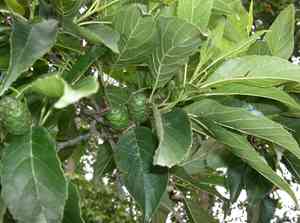
Relocate east Asian alder optimally as winter recedes, from the onset of early spring through the threshold of summer's heat. Select a location offering abundant light and hydration. During transplantation, exercise cautionâeast Asian alder roots are robust but benefit from delicate treatment.
What Preparations are Needed Before Transplanting East Asian Alder?
What is the Ideal Time for Transplanting East Asian Alder?
The best time for relocating east Asian alder is from early spring until the beginning of summer. This period provides excellent growing conditions, as the warming ground and increased daylight hours encourage robust root development. A east Asian alder moved during this timeframe will have sufficient opportunity to establish itself before the summer heat or autumn cold arrives. By transplanting in these revitalizing months, you're giving your east Asian alder the optimal start in its new spot, promoting a healthy transition and vigorous growth for the upcoming season. It's all about good vibes; after all, isn't spring the season of fresh starts?
How Much Space Should You Leave Between East Asian Alder Plants?
When planning to move east Asian alder, aim for a spacing that allows them to spread their branches comfortably. A good guideline is to position them approximately 6 feet to 12 feet apart, which is about 1.8 meters to 3.6 meters. This provides each plant ample room to grow and flourish!
What is the Best Soil Mix for East Asian Alder Transplanting?
East Asian alder thrives in well-drained, rich soil, so consider incorporating organic compost into your garden bed as a foundational fertilizer. Target a soil pH between 5.5-6.5, which is slightly acidic, to create the perfect environment for east Asian alder to settle into its new home.
Where Should You Relocate Your East Asian Alder?
Find a bright location with some partial shade for your east Asian alder, as they love light! An area that receives a mix of direct sunlight and some relief during the hottest parts of the day will result in the happiest plant. Ideal spots get around 4 to 6 hours of sunlight daily.
What Equipments Should You Prepare Before Transplantation East Asian Alder?
Shovel or Spade
For excavating the plant and preparing the new planting site.
Gardening Gloves
To safeguard your hands while handling soil and the plant.
Watering Can or Hose
To hydrate the east Asian alder before and after its relocation.
Wheelbarrow or Tarp
To move the east Asian alder from its original spot to the new location.
Pruning Shears
To trim any damaged roots or branches prior to transplanting.
Mulch
To help maintain soil moisture and regulate temperature around the root zone post-transplant.
How Do You Remove East Asian Alder from the Soil?
How Do You Remove East Asian Alder from the Soil?
From Ground: Water the east Asian alder thoroughly beforehand, to loosen the soil and minimize stress on the plant. Use a shovel or spade to dig a wide circle around the plant, being careful not to harm the root ball. Gently work your tool underneath and lift the east Asian alder out with as much root and soil intact as possible.From Pot: Begin by watering the east Asian alder to moisten the soil, which facilitates removal. Tilt the pot sideways and gently tap or squeeze the sides to loosen the root ball. Slowly pull the east Asian alder out while supporting the base of the stem and root ball.From Seedling Tray: Water the seedlings to ensure the soil is damp. Use a spoon or a small transplanting trowel to scoop out the seedling with its surrounding soil, taking care to preserve the delicate root system.
Step-by-Step Guide for Transplanting East Asian Alder
Prepare the New Site
Dig a hole in the ground that is twice the width of the east Asian alder's root ball and of the same depth. This allows the roots to spread out easily in the new location.
Root Pruning
Inspect the root ball of the east Asian alder for any broken or damaged roots and trim them cleanly using pruning shears. This encourages the growth of healthy roots.
Placing the Plant
Carefully position the east Asian alder in the center of the hole. The top of the root ball should be level with the surrounding soil surface.
Refilling the Hole
Gently backfill the hole with soil, tamping it down lightly as you go to remove air pockets. Ensure the east Asian alder is straight and at the correct depth.
Watering
After planting, water the east Asian alder generously to settle the soil and eliminate air gaps around the roots. This will also help to establish initial moisture for the roots.
Mulching
Apply a layer of mulch around the base of the east Asian alder, keeping it away from the stem. This will help maintain soil moisture and temperature.
How Do You Care For East Asian Alder After Transplanting?
Initial Watering
For the first few weeks, keep the soil around the east Asian alder consistently moist to encourage root growth. Be mindful not to overwater, as soggy soil can cause root rot.
Mulch Benefits
Keep the mulch layer replenished as needed to retain even soil moisture and protect the roots of the east Asian alder.
Monitoring Growth
Regularly check the east Asian alder for signs of stress or damage, and gently support the plant as it acclimates to its new location.
Pruning
Prune any dead or dying branches to redirect the east Asian alder's energy towards developing a strong root system and new growth.
Troubleshooting Common Issues with East Asian Alder Transplantation.
When is the best time to transplant east Asian alder?
The optimal transplanting window for east Asian alder is early to late spring, ensuring successful rooting.
How much space does east Asian alder need between plants?
Adequate spacing for east Asian alder is between 6 feet and 12 feet (1.8 m and 3.7 m), promoting healthy growth.
Why are my east Asian alder saplings wilting after transplanting?
Wilting may occur from transplant shock. Ensure soil moisture, avoid full sun initially, and protect from strong winds.
How deep should I plant east Asian alder's root ball?
The root ball of east Asian alder should be planted at the same depth it grew in the nursery.
What soil type is best for transplanting east Asian alder?
Well-draining, fertile soil with a slightly acidic to neutral pH is ideal for east Asian alder.
How much should I water east Asian alder after transplanting?
Water east Asian alder thoroughly after transplanting and maintain consistent moisture until established, but avoid waterlogging.
What sunlight conditions do east Asian alder prefer after transplanting?
Initially, provide east Asian alder with dappled sunlight, gradually increasing to full sunlight as it acclimates.
Can I fertilize east Asian alder right after transplanting?
Wait 4-6 weeks before fertilizing east Asian alder to prevent burning the roots. Use a balanced fertilizer.
How to protect transplanted east Asian alder from pests?
Monitor for pests regularly and use an appropriate pesticide or natural deterrent if necessary.
Why is my transplanted east Asian alder not growing?
Slow growth could be due to root damage, inadequate watering, poor soil conditions, or incorrect planting depth.



