How to Transplant Ramson?
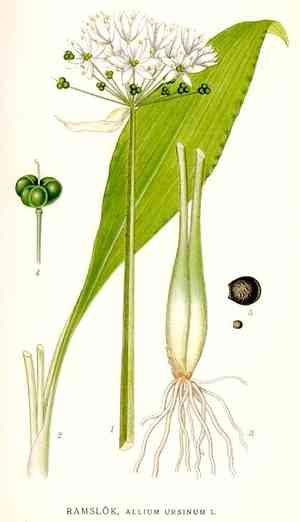
The optimal period for transplanting ramson is within the revitalizing span of early to mid-spring. Select a sheltered spot featuring damp, adequately draining earth. Should it be necessary, carefully separate intertwined roots to stimulate fresh development.
What Preparations are Needed Before Transplanting Ramson?
What is the Ideal Time for Transplanting Ramson?
The best time to move ramson is during the gentle warmth of early to mid-spring. This period aligns with its natural growth, allowing roots to establish before summer. Transplanting ramson in this fertile window promotes strong growth, as the earth awakens, offering moist soil that nourishes its roots. A helpful hint: this timely relocation provides ramson the gentle encouragement needed for robust, healthy development throughout the year.
How Much Space Should You Leave Between Ramson Plants?
Position each ramson approximately 4-6 inches (10-15 cm) apart when relocating. This provides ample room for them to spread and develop.
What is the Best Soil Mix for Ramson Transplanting?
For ramson, a well-drained, clay loam soil is optimal. Apply a slow-release, granular fertilizer at the base prior to planting to stimulate initial growth.
Where Should You Relocate Your Ramson?
Select a spot that receives full sun to partial shade throughout the day. Ramson is quite adaptable, but a sunny location encourages beautiful blooms!
What Equipments Should You Prepare Before Transplantation Ramson?
Gardening Gloves
To safeguard your hands while handling soil and plants.
Shovel or Spade
These are essential for digging holes and extracting your ramson plant from its current spot.
Watering Can or Hose
Used to hydrate the soil before and after the transplanting process.
Wheelbarrow or Bucket
For moving the ramson plant from its original position to the new one.
Gardening Fork
Utilized to loosen soil around the ramson's roots to prevent damage during removal.
How Do You Remove Ramson from the Soil?
How Do You Remove Ramson from the Soil?
From Ground: First, thoroughly water the ramson plant to moisten its roots and surrounding soil. This facilitates easier removal with less risk of root damage. Next, using a shovel or spade, carefully dig around the plant, ensuring you encompass the main root system and some adjacent soil. Once dug around, gently lift the plant by its root ball with your spade.From Pot: Water the plant just enough to dampen the root ball. With gloves on, carefully tip the pot onto its side, supporting the plant with one hand. Use your other hand to gently slide the pot away. If it's stuck, you might need to lightly tap the pot's bottom.From Seedling Tray: Fill your bucket or wheelbarrow with water. Submerge the seedling tray, allowing it to soak until the soil is completely moist. Once soaked, gently remove the ramson seedlings by carefully lifting the root ball.
Step-by-Step Guide for Transplanting Ramson
Digging
Excavate a hole in the new site twice as wide and roughly as deep as the ramson's root ball. Ensure the location is prepped with compost or organic matter to create a suitable root environment.
Placement
Position the ramson into the hole at the same soil depth it was previously growing. Adjust the soil beneath if needed to achieve the correct depth.
Backfilling
Refill the hole with the excavated soil, gently firming it around the root ball. Avoid compacting the soil too much.
Watering
After transplanting, water the ramson generously, thoroughly saturating the soil.
How Do You Care For Ramson After Transplanting?
Watering
During the initial weeks post-transplant, water your ramson regularly to aid in establishing strong roots in its new spot. Prevent overwatering and ensure proper soil drainage.
Mulching
Apply a layer of organic mulch around the ramson, keeping it a few inches away from the plant's stem. This will help retain moisture and inhibit weed growth.
Pest Control
Monitor for signs of pests or diseases. If detected early, natural or organic treatments are typically effective and cause less harm to the plant and environment.
Troubleshooting Common Issues with Ramson Transplantation.
What's the perfect time of the year to transplant my ramson?
The optimal period for relocating ramson is between late winter and early spring (season S1-S2). This allows the plant to settle before its active growth season begins.
How much space should I leave between ramson plants when transplanting them?
Aim for a distance of 4-6 inches (10-15 cm) between each ramson plant. This provides ample room for each plant to grow and establish roots without competing for resources.
Why are the leaves of my transplanted ramson turning yellow?
Yellow leaves can indicate over-watering. Ramson prefers moist but well-drained soil. Adjust your watering schedule and ensure effective drainage.
What to do if my ramson plant looks wilted after transplanting?
Your ramson may be experiencing transplant shock. Provide low light conditions and consistent moisture. If the issue persists, consult a local horticulturist.
How deep should I plant my ramson?
The planting depth for ramson should match its original growing conditions. The top of the root ball should be level with the soil surface.
How do I prepare the soil for transplanting ramson?
Ramson thrives in well-drained soil, enriched with organic matter. Before planting, incorporate compost or aged manure into your planting hole. This will enhance soil fertility and drainage.
Can I transplant my ramson into a container?
Absolutely! Ramson can flourish in pots. Just ensure the container drains well and is large enough to accommodate growth. Remember the 4-6 inches (10-15 cm) spacing if planting multiple.
Why aren't my transplanted ramson plants flowering?
Ramson typically flowers in its second year. If mature plants aren't blooming, the problem could be insufficient light, nutrition, or water. Review these factors and make adjustments accordingly.
Do I need to prune my ramson after transplanting?
Pruning is generally not required for ramson. In cases of damaged or diseased foliage, perform gentle pruning for the plant's overall health and appearance.
What's the best method to water my transplanted ramson?
Ramson prefers moist but well-drained soil. Prevent waterlogging by watering deeply and allowing the soil to dry slightly between waterings. Avoid overhead watering to deter fungal diseases.



