How to Transplant Naples garlic?
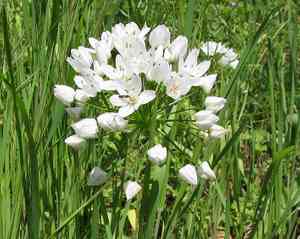
For naples garlic, the ideal period for relocation is mid-spring, providing mild temperatures and excellent conditions for root development. Select a well-drained, sun-exposed location. Careful handling guarantees a smooth adjustment for this resilient perennial.
Essential Preparations Before Relocating Naples Garlic
Optimal Timing for Moving Naples Garlic?
The best time to move naples garlic is during mid-spring or as early summer begins. This timing allows naples garlic to establish its root system in mild temperatures before the intense summer heat arrives. Transplanting naples garlic within this window ensures it benefits from an extended growth period, leading to vigorous development. A helpful hint: relocating during these milder late spring days reduces stress on the plants, setting the stage for a vibrant display of their characteristic flowers.
Recommended Spacing Between Naples Garlic Plants?
To provide naples garlic ample room for growth, aim to position each plant approximately 2-3 feet (60-90 cm) apart when transplanting. This spacing ensures each plant has sufficient individual area for root expansion and overall development.
Ideal Soil Mixture for Naples Garlic Transplanting?
Before planting naples garlic, prepare well-draining soil, preferably loamy or sandy. Enrich it with an all-purpose granular organic fertilizer to ensure optimal growing conditions. This way, your naples garlic will receive the necessary nutrients from the start!
Where to Replant Your Naples Garlic?
To ensure naples garlic grows robustly and healthily, select a spot that receives full to partial sun exposure – at least 6 hours of sunlight daily. Remember, bright and sunny conditions are crucial for naples garlic!
Equipment Needed Before Transplanting Naples Garlic
Garden Spade
For excavating a hole in the ground where the naples garlic will be placed.
Gardening Gloves
To safeguard your hands while handling soil and the plant.
Watering Can
For the initial watering of the plant in its new location.
Trowel
Useful for extracting the plant from a pot or smaller container.
Gardening Fork
Helpful for gently loosening the roots if the plant is pot-bound.
Wheelbarrow
To transport the plant and any soil or compost to the new site.
How to Extract Naples Garlic from the Soil?
How to Extract Naples Garlic from the Soil?
From Ground: First, water the naples garlic plant to moisten the soil. Then, using a garden spade, dig a wide circle around the plant, ensuring the plant's root ball remains intact. Carefully work the spade beneath the root ball to lift the plant from its original spot.From Pot: Begin by watering the plant, then turn the pot on its side, gently pull on the base of the plant while tapping the pot's sides to loosen it. If it's stubborn, use a trowel to help ease it out.From Seedling Tray: Water the tray thoroughly, then carefully lift the naples garlic using a spoon or similar tool, taking as much root and surrounding soil as possible to prevent root damage.
Step-by-Step Guide for Transplanting Naples Garlic
Site Preparation
Clear the chosen area of any weeds or rocks, and prepare the ground by breaking up the soil with a fork.
Digging Hole
Excavate a hole that is twice the diameter and depth of the naples garlic's root system. The goal is to allow the roots to spread out comfortably.
Placing the Plant
Position the naples garlic in the hole, ensuring that the top of the root ball is level with the soil surface.
Backfilling
Gently refill the hole with garden soil, firming it around the base of the naples garlic.
Watering
Water the plant generously after planting, ensuring the soil is thoroughly saturated.
Post-Transplant Care for Naples Garlic
Watering
Keep the soil around the naples garlic consistently moist, but not waterlogged, for the first few weeks after transplanting to aid root establishment.
Mulching
Applying a layer of mulch around the base of the naples garlic will help to retain soil moisture.
Protection
If the naples garlic is likely to face strong winds or extreme temperatures in the initial weeks, provide some protection with a windbreak or shading. Closely monitor its health and respond to any signs of stress.
Feeding
Wait a couple of weeks after transplanting before fertilizing to ensure the roots have settled and can properly absorb nutrients.
Addressing Common Issues with Naples Garlic Transplantation.
When is the best season to transplant naples garlic?
The ideal period to transplant naples garlic is between late spring and early summer, denoted as 'S2-S3'.
What is the desired spacing when transplanting naples garlic?
When transplanting naples garlic, aim for a spacing of approximately 2-3 feet apart, or 60-90 centimeters.
Why are my naples garlic bulbs shriveling after transplant?
This could be due to excessive or insufficient watering. Naples garlic prefers well-drained soil and consistent moisture, but avoid waterlogging.
What soil type is ideal for transplanting naples garlic?
Naples garlic thrives in rich, well-drained soil. Adding compost or organic matter can improve the soil's fertility and drainage for naples garlic.
Why does my naples garlic appear stunted after transplanting?
Ensure the bulbs are planted at the correct depth – about 2 inches (5 cm). Planting too shallow or too deep can lead to stunted growth.
How much sunlight does naples garlic need after being transplanted?
Naples garlic blooms best in full sunlight, but partial shade is also acceptable. Aim for at least 6-8 hours of direct sunlight daily.
My transplanted naples garlic is turning yellow, what could be the cause?
Yellowing could result from overwatering or poor soil drainage. If the soil remains continuously damp, consider improving drainage or reducing watering.
I just transplanted my naples garlic, how often should I water?
Water the naples garlic immediately after transplanting. Subsequently, keep the soil moist but avoid waterlogging. Observe the plant's response to adjust watering frequency.
Why are there holes in my transplanted naples garlic leaves?
Holes in leaves could indicate pest activity. Regularly inspect your naples garlic plant for pests and manage them with organic or non-organic pesticide options.
What care should I provide my naples garlic after transplanting?
Beyond regular watering, sunlight, and proper spacing, mulching around naples garlic can help retain moisture. Periodic fertilizing can also boost their growth.



