How to Transplant Nodding onion?
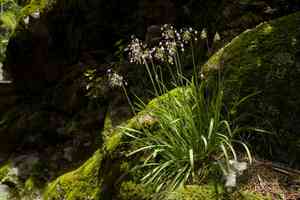
The optimal period for relocating nodding onion is at the onset of spring, facilitating its smooth integration into cool, damp earth. Select a bright spot with effective water runoff for nodding onion. Should congestion arise, contemplate separation to enhance vitality.
Necessary Preparations Before Moving Nodding Onion?
Optimal Period for Relocating Nodding Onion?
The best time to move your nodding onion is during the refreshing period of early to mid-spring. This timeframe offers cool yet warming soil temperatures, perfect for root establishment. By transplanting nodding onion in this revitalizing season, they can adapt and firmly root, benefiting from the entire upcoming growing season. A gentle reminder of why this timing is perfect: nodding onion gets a head start to flourish well before the summer heat. This helpful advice ensures your nodding onion will be well-settled and prepared to display their delicate blooms when the moment arrives.
Required Spacing Between Nodding Onion Plants?
For your nodding onion plant, ensure ample distance between each. Ideally, aim for a separation of approximately 1-2 feet (30-60 cm). This is the perfect spacing for these plants to grow without competing for resources!
Ideal Soil Mixture for Nodding Onion Transplanting?
For optimal growth of nodding onion, prepare your soil with a foundational fertilizer rich in phosphorus and potassium. Additionally, these plants thrive in loamy, well-drained soil. Remember, healthy soil leads to a healthy plant!
Recommended Location for Your Nodding Onion?
The placement significantly impacts nodding onion's growth. Seek a spot that receives full sun exposure, though partial shade during the day's peak heat won't be detrimental. A location with morning sunlight would be perfect!
Equipment Needed Before Transplanting Nodding Onion?
Gardening Gloves
To safeguard your hands from potential scrapes or cuts while handling the plant and soil.
Shovel or Spade
To excavate the plant from its original spot while preserving the root structure.
Garden Trowel
This tool is useful for more precise digging tasks when relocating the plant.
Watering Can/Hose
Required to hydrate the plant during and after the transplanting process.
Mulch
Helps maintain moisture after planting and offers protection to the plant.
Biodegradable Pots (for seedlings)
These can be directly planted into the ground, minimizing root disturbance for young plants.
How to Extract Nodding Onion from the Soil?
How to Extract Nodding Onion from the Soil?
From Ground: Before digging up your nodding onion, saturate the ground with water. This facilitates removal and can lessen root damage. Dig a wide circle around the nodding onion using a spade, ensuring you don't harm the roots. Carefully slide the spade beneath the root ball to lift the plant out.From Pot: Thoroughly water the nodding onion. Then, invert the pot while holding your fingers over the soil to prevent the plant from falling out. Gently tap the sides of the pot until the root ball slides free. Handle the nodding onion by the root ball to avoid damaging the stem or leaves.From Seedling Tray: Moisten the tray, then gently push your nodding onion seedling out from the bottom, aiming to disturb the roots as little as possible.
Step-by-Step Guide for Relocating Nodding Onion
Digging a Hole
Assess the root ball of your nodding onion and excavate a hole that is twice as wide and equally as deep as the root ball. The wider hole allows roots ample space to spread and grow.
Placing the Plant
Position the nodding onion in the hole, ensuring the top of the root ball is level with the ground surface. If placing seedlings, be extra gentle to avoid disturbing the roots.
Filling the Hole
Backfill the hole by gently pressing the soil around the base of the nodding onion. Avoid compacting the soil as this can harm roots and hinder water penetration.
Watering
Water the nodding onion generously immediately after planting, to help it settle and recover from the shock of relocation.
Post-Transplanting Care for Nodding Onion?
Watering
For the initial few weeks, it's vital to keep the soil around the nodding onion adequately moist. Overwatering, however, can harm the plant, leading to root rot and other ailments. Monitor soil dryness daily.
Mulching
To retain soil moisture and prevent weeds from growing around the nodding onion, applying a layer of mulch around the plant's base can be very beneficial.
Monitoring
Closely observe your nodding onion for signs of stress such as drooping or yellowing leaves. This could indicate a transplant issue, such as poor root establishment or a disease.
Addressing Common Issues with Nodding Onion Transplantation.
When is the best time to transplant nodding onion?
The optimal transplanting period for nodding onion falls within the season S1-S2. This is when the plant has the best chances for survival.
What is the correct spacing for transplanting nodding onion?
For healthy growth of nodding onion, ideal spacing should be approximately 1-2 feet (30-60 cm). This provides sufficient room for growth and nutrient absorption.
I transplanted nodding onion, but it appears wilted. What might be the issue?
Wilting often results from transplant shock. Try providing nodding onion with extra care. Ensure it receives enough water without overwatering, and shield it from excessive sun.
What type of soil is best for transplanting nodding onion?
Nodding onion thrives in well-drained soil with moderate fertility. It's advisable to amend your soil with organic matter for optimal results.
Can nodding onion be transplanted in containers instead of a garden?
Absolutely! Just remember to provide 1-2 feet (30-60 cm) of space for nodding onion's optimal growth. Also, use well-draining soil and a container with good drainage.
The leaves of my nodding onion are yellowing after transplanting. What could be wrong?
Yellowing might indicate a nutrient deficiency, overwatering, or insufficient sunlight. Check your watering frequency, soil fertilization, and light exposure, then adjust to nodding onion's preferences.
How much water does nodding onion need after transplanting?
Nodding onion prefers moderately moist soil, but can tolerate some dryness. After transplanting, water thoroughly, then keep the soil consistently moist but not waterlogged.
What preparatory steps should I take before transplantation of nodding onion?
Prepare your transplant site by digging holes 1-2 feet (30-60 cm) apart. Enrich the soil with organic matter, water it, and have nodding onion ready for transplanting.
My transplanted nodding onion doesn't seem to be growing. Why?
Lack of growth might be due to poor soil nutrients, incorrect spacing, or inadequate watering. Review these factors and adjust accordingly. Patience is also crucial with nodding onion.
Can I transplant nodding onion next to other plants?
Yes, nodding onion is compatible with other plants as long as they have their space â remember the 1-2 feet (30-60 cm) spacing! Also, consider similar sunlight and watering requirements.



