How to Transplant Wild garlic?
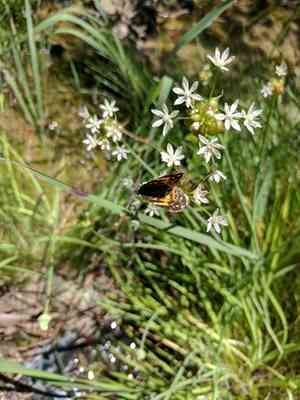
Relocate wild garlic during the mild temperatures of late spring through early summer to leverage optimal development circumstances. Select a bright spot featuring soil that drains effectively, and confirm the area accommodates its inherent tendency to form clusters. Bear in mind, perseverance is crucial for these enduring plants to flourish.
What Preparations are Needed Before Transplanting Wild Garlic?
What is the Ideal Time for Transplanting Wild Garlic?
Choose the lush days of mid-spring, the perfect moment for settling wild garlic into your garden. This timeframe promotes strong root development before the summer heat.
How Much Space Should You Leave Between Wild Garlic Plants?
When transplanting wild garlic, providing them with adequate room is optimal. Aim to space each plant approximately 1-2 feet (30-60 cm) apart. This will not only allow for full growth but also ensure sufficient air circulation.
What is the Best Soil Mix for Wild Garlic Transplanting?
Good news! Wild garlic isn't overly particular about soil. Just make sure it drains effectively. Incorporating compost or a slow-release fertilizer prior to planting can supply your wild garlic with vital nutrients for a healthy start.
Where Should You Relocate Your Wild Garlic?
Wild garlic thrives in sunlight but can endure some shade. Around 6 hours of daily sun would be perfect. Therefore, when selecting the transplant location, consider a sunny or partially shaded spot.
What Equipments Should You Prepare Before Transplantation Wild Garlic?
Gardening Gloves
To protect your hands while handling soil and plants.
Shovel or Spade
For digging the planting hole and carefully removing the plant from its original spot, keeping the root ball intact.
Trowel
For more precise digging tasks and backfilling.
Garden Fork
To gently loosen the soil surrounding the plant without harming the root system.
Watering Can
To hydrate the wild garlic plant before and after its relocation.
Mulch
For providing a protective layer to recently transplanted plants.
Compost
To enrich the soil within the planting hole.
How Do You Remove Wild Garlic from the Soil?
How Do You Remove Wild Garlic from the Soil?
From Ground: Begin by thoroughly watering the wild garlic plant to soften the earth. Use a garden fork to gently loosen the soil around the plant, being careful not to damage the root ball. Next, use a shovel or spade to dig a trench around the plant that is wider than the root ball. Carefully work the spade beneath the root ball and lift the plant from its initial location, ensuring the root ball remains intact.From Pot: First, water the wild garlic plant. To extract the plant from a pot, gently tilt the pot to one side and let gravity assist in releasing the plant and root ball. Avoid pulling by the stems or leaves as this can injure the plant.From Seedling Tray: Moisten the soil before proceeding. Push up from the bottom of the tray to remove the seedling. Be sure to handle it by its leaves or root ball (not the stem), as the plant is delicate at this stage.
Step-by-Step Guide for Transplanting Wild Garlic
Preparation
Prepare the new site by digging a hole that is twice as wide and slightly less deep than the wild garlic's root ball. Mix in some compost to enrich the soil in the planting hole.
Transplanting
Place the wild garlic into the hole at the same depth it was in its previous location. Backfill the hole with soil, pressing down gently to eliminate any air pockets.
Watering
Thoroughly water the wild garlic plant once it's transplanted. This will provide the plant with much-needed immediate hydration and help settle the soil around the roots.
Mulching
Apply a layer of mulch around the plant to help retain moisture. Ensure the mulch does not touch the stem to prevent rot.
How Do You Care For Wild Garlic After Transplanting?
Watering
After transplanting, the wild garlic plant will need consistent watering as it establishes in its new spot. Less water is preferable to too much. If the plant appears wilted, water it.
Observation
Look for signs of shock, such as wilting or leaf drop, in the wild garlic. If these symptoms persist, consider consulting a gardening professional.
Pruning
If your wild garlic plant is mature and experiences leaf drop, don't be overly concerned. Trim off the dead foliage to encourage new growth.
Protection
Newly transplanted wild garlic plants can be susceptible to pests and diseases. Monitor for any unusual signs and take necessary actions promptly.
Troubleshooting Common Issues with Wild Garlic Transplantation.
What is the perfect time in the year to transplant wild garlic?
Ideally, early summer to late fall (S2-S4) is the optimal period to transplant wild garlic.
How much distance should I maintain between each transplant of wild garlic?
Sufficient spacing is crucial for growth! For wild garlic, a gap of 1-2 feet (0.3-0.6 meters) works best.
How can I ensure a successful transplanting of wild garlic?
Ensure proper soil preparation. Loosen the soil to about 10 inches (25 cm) deep, and enrich it with compost.
Why is my newly transplanted wild garlic wilting?
Wilting can indicate transplant shock. Keep the soil moist, avoid excessive sun exposure, and ensure proper spacing is maintained.
What kind of soil does wild garlic prefer while transplanting?
Wild garlic thrives in well-drained soil rich in organic matter. Ensure your transplant area has similar conditions.
Is it compulsory to fertilize wild garlic during transplant?
It's beneficial, as fertilization can provide a growth boost. Use a slow-releasing organic fertilizer for optimal results.
How do I handle wild garlic bulbs during transplanting to prevent damage?
Handle them gently. Dig a hole that's twice the depth and width of the bulb. Then, place the bulb carefully and cover with soil.
What is the ideal temperature for transplanting wild garlic?
Wild garlic doesn't have specific temperature requirements for transplanting, but they are a temperate species, so cooler temperatures would be more advantageous.
What if I overwatered wild garlic after transplanting?
Excessive watering can lead to root rot. Reduce watering frequency, ensure proper drainage, and allow the soil to dry out between waterings.
What are some signs of healthy wild garlic after transplanting?
Healthy wild garlic will have sturdy green leaves and should begin to grow shortly after transplanting. Any flowering is a definite positive sign.



