How to Transplant Dyer's alkanet?
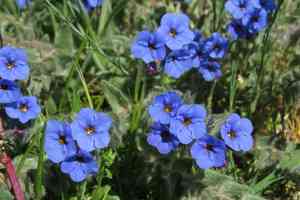
The optimal period for transplanting dyer's alkanet spans from the onset of early spring through its peak. Select a location featuring soil that drains effectively and offers full sun to partial shade. During the relocation process, minimize disruption to the roots to guarantee robust growth.
What Preparations are Needed Before Transplanting Dyer's Alkanet?
What is the Ideal Time for Transplanting Dyer's Alkanet?
The optimal period for relocating dyer's alkanet is during the revitalization of early to mid-spring. This timing leverages the mild weather, facilitating a gentle transition and root establishment prior to summer's peak. Transplanting within this window invigorates dyer's alkanet with the spring's growth surge, fostering healthier development. Embracing this season ensures a smooth adjustment for dyer's alkanet, allowing ample time to strengthen before intense heat. Choosing this phase guarantees dyer's alkanet will thrive, thanks to stable conditions and the start of its growth cycle.
How Much Space Should You Leave Between Dyer's Alkanet Plants?
When preparing to transplant your dyer's alkanet, aim to provide ample room for growth by spacing them approximately 6-12 inches (15-30 cm) apart. This ensures proper air circulation and space for development.
What is the Best Soil Mix for Dyer's Alkanet Transplanting?
For dyer's alkanet, a well-draining soil rich in organic matter creates the perfect foundation. Incorporate a balanced, slow-release fertilizer to nourish the roots and help your dyer's alkanet flourish from the outset.
Where Should You Relocate Your Dyer's Alkanet?
Select a sunny location in your garden where your dyer's alkanet can enjoy full to partial sunlight. This will aid their small blooms in growing vibrant and robust from dawn till dusk.
What Equipments Should You Prepare Before Transplantation Dyer's Alkanet?
Gardening Gloves
To shield your hands while handling soil and plants.
Garden Trowel
For excavating small holes and moving young plants.
Garden Spade or Shovel
For digging up larger plants from the ground or turning over soil.
Watering Can or Hose
To hydrate the plant before and after relocation.
Pruning Shears
For trimming any damaged roots or foliage during the transplant process.
Wheelbarrow
To move the plant and soil if necessary.
Rooting Hormone
To stimulate root growth after transplanting, optional but beneficial.
Mulch
To help maintain soil moisture and inhibit weed growth around the newly transplanted plant.
How Do You Remove Dyer's Alkanet from the Soil?
How Do You Remove Dyer's Alkanet from the Soil?
From Ground: Thoroughly water the dyer's alkanet to soften the surrounding soil. Use a garden spade or shovel to dig a wide circle around the plant, ensuring sufficient distance to avoid damaging the root ball. Gently pry beneath the root ball to lift the plant from the earth, minimizing root disturbance.From Pot: Begin by watering the dyer's alkanet to facilitate easier removal. Tilt the pot sideways and gently tap it to loosen the soil and the plant. Use your hands or a trowel to slide the plant out with the soil and root ball intact.From Seedling Tray: Water the seedlings until the soil is moist. Use a garden trowel or a spoon to carefully lift each dyer's alkanet seedling by scooping soil from underneath, keeping the soil and root system together.
Step-by-Step Guide for Transplanting Dyer's Alkanet
Preparation
Gather all necessary tools and thoroughly water the dyer's alkanet.
Digging
Excavate a hole in the ground where you intend to transplant the dyer's alkanet. Make it twice as wide and the same depth as the root ball.
Root Pruning
If the roots are tightly packed or circling, gently separate them. Trim away any dead or broken roots using pruning shears.
Planting
Carefully position the dyer's alkanet in the hole. Ensure the plant is at the same depth it was previously growing. Backfill with soil and gently firm it down to eliminate air pockets.
Watering
Provide the dyer's alkanet with a generous watering after planting to settle the soil and hydrate the roots.
Mulching
Apply a layer of mulch around the planting area to help retain moisture and regulate soil temperature.
How Do You Care For Dyer's Alkanet After Transplanting?
Watering
Ensure the soil around the dyer's alkanet remains consistently moist to encourage strong root development. Avoid overwatering.
Monitoring
Observe the plant for signs of stress, such as wilting or leaf drop, and maintain consistent watering during this recovery phase.
Mulching
Replenish the mulch layer if it settles or disperses to continue its beneficial effects.
Pruning
Remove any dead or damaged foliage to direct the dyer's alkanet's energy towards establishing new growth.
Troubleshooting Common Issues with Dyer's Alkanet Transplantation.
When is the best time to transplant dyer's alkanet?
Relocate dyer's alkanet when both air and soil temperatures are rising, typically in early to mid-spring.
How far apart should I space dyer's alkanet when transplanting?
Allow dyer's alkanet ample room to flourish by spacing them 6-12 inches (15-30 cm) apart.
What soil conditions favor dyer's alkanet transplant success?
Aim for well-draining soil with moderate fertility for optimal results with dyer's alkanet.
What should I do if dyer's alkanet's leaves wilt after transplanting?
Ensure adequate watering without excess; dyer's alkanet prefers moist but not waterlogged conditions.
Can dyer's alkanet be transplanted under full sun exposure?
Absolutely! Dyer's alkanet thrives in full sunlight after transplanting.
How deep should the hole be for transplanting dyer's alkanet?
Dig a hole just deep enough to accommodate the root ball of dyer's alkanet.
Is it crucial to prune dyer's alkanet before transplanting?
Not typically necessary. Only remove damaged or dead parts before transplanting dyer's alkanet.
Should I fertilize dyer's alkanet immediately after transplanting?
Wait a few weeks before fertilizing to allow dyer's alkanet to establish in its new location.
How to protect dyer's alkanet from frost after a late spring transplant?
Use frost covers or bring dyer's alkanet indoors overnight if cold snaps are predicted.
What is the sign that dyer's alkanet has been overwatered post-transplant?
Yellowing or soft leaves often indicate overwatering of dyer's alkanet.



