How to Transplant David's alchornea?
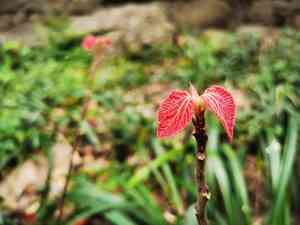
Optimal placement for david's alchornea in its new environment is from early to late spring, where it flourishes in rich, well-draining earth. Supply abundant, diffused illumination to foster vigorous development. A helpful tip: allow sufficient room for its root system to expand!
What Preparations are Needed Before Transplanting David's Alchornea?
What is the Ideal Time for Transplanting David's Alchornea?
The perfect period to move david's alchornea is during the mild conditions of spring, from its beginning until the onset of summer warmth. This timing allows david's alchornea to establish roots in moderate temperatures and benefit from increasing daylight. Relocating david's alchornea at this stage provides it with the advantage of upcoming rainfall, fostering its development, and ensuring a strong foundation for the vigorous growing season ahead. Taking this step guarantees that david's alchornea will spend its early life in the most supportive environment, setting the stage for a thriving future.
How Much Space Should You Leave Between David's Alchornea Plants?
Hello, gardening enthusiast! When providing your david's alchornea with a new home, you'll want to give each plant ample personal space to flourish. Aim for a comfortable distance of 6.5-10 feet (2-3 meters) between them. This spacing allows for sufficient growth and air circulation, which is precisely what david's alchornea prefers.
What is the Best Soil Mix for David's Alchornea Transplanting?
Ready to get your hands dirty? David's alchornea thrives in well-drained soil abundant in organic matter. Before transplanting, incorporate some compost or a balanced slow-release fertilizer to give david's alchornea a nutrient-rich start. A pH level ranging from slightly acidic to neutral is optimal for these verdant plants.
Where Should You Relocate Your David's Alchornea?
Sunlight is essential for david's alchornea! Choose a location in your garden that receives partial to full sun exposure. This means at least 4 hours of sunlight gracing its leaves. This bright spot should help your david's alchornea thrive and bring you abundant green delight.
What Equipments Should You Prepare Before Transplantation David's Alchornea?
Gardening Gloves
To safeguard your hands while handling soil and plants.
Trowel
For excavating small holes and transferring david's alchornea from containers or trays.
Shovel or Spade
For digging larger holes and trenches in the ground for relocation.
Watering Can or Hose
To hydrate david's alchornea before and after its move.
Pruning Shears
To trim any damaged roots or foliage if necessary.
Wheelbarrow or Garden Cart
To effortlessly transport david's alchornea and soil.
Mulch
To retain soil moisture and suppress weed growth around david's alchornea.
Root Stimulator
To encourage root development post-transplanting, if desired.
How Do You Remove David's Alchornea from the Soil?
How Do You Remove David's Alchornea from the Soil?
From Ground: First, water the david's alchornea plant to moisten the soil. Then, dig a wide trench around the plant using a shovel or spade, ensuring the plant's root ball remains intact. Carefully work the spade beneath the root ball to lift the plant from its original spot.From Pot: Water the david's alchornea and allow it to sit for a while before gently tapping the pot's sides to loosen the soil. Tilt the pot sideways and carefully slide the plant out, supporting the root ball with your hands.From Seedling Tray: Water the tray to dampen the soil. Gently push the david's alchornea seedling up from the cell's bottom or use a trowel to lift it out, taking care not to harm the delicate roots.
Step-by-Step Guide for Transplanting David's Alchornea
Preparation
Gather all necessary tools and supplies before commencing the transplanting process to ensure a smooth operation. Have the mulch and water source ready at the new site for immediate use after relocating the david's alchornea.
Removal
Depending on the david's alchornea's original location, follow the appropriate removal procedure outlined previously to extract the plant with minimal root disturbance. This ensures a better transition for the plant.
Transplant Hole
Excavate a hole at the new location that is twice the width of the david's alchornea's root ball and the same depth, to allow roots to spread easily without burying the plant too deeply.
Settling In
Gently place the david's alchornea in the center of the new hole, spreading its roots outwards. Ensure the plant sits at the same depth as it did in its previous spot. Fill around the plant with native soil, gently firming it down without over-compacting it.
Watering
After planting, thoroughly water the david's alchornea to settle the soil around the roots and eliminate air pockets. Use the watering can or hose for this step, but be careful not to over-saturate the plant.
Mulching
Apply a layer of mulch around the base of the david's alchornea without touching the stem, to help maintain soil moisture and regulate temperature. Avoid excessive mulching as it can lead to rot.
Support
If the david's alchornea is tall or top-heavy, consider staking it for additional support until its roots establish and can support the plant independently.
Observation
Over the next few weeks, monitor the david's alchornea for signs of stress and growth. Adjust care as needed and ensure the transition aligns with the plant's requirements.
How Do You Care For David's Alchornea After Transplanting?
Regular Check-ups
Keep a close watch on your david's alchornea for any indications of transplant shock, such as wilting leaves or a lack of new growth, and modify care as necessary.
Gentle Watering
Maintain an appropriate watering schedule to ensure the soil remains moist but not waterlogged. Over the next few weeks, decrease the frequency to encourage robust root development.
Support Adjustments
If you've used stakes or other supports, inspect them regularly to ensure they are still secure and not harming the david's alchornea. Adjust or remove as needed as the plant grows.
Avoiding Over-fertilizing
Refrain from fertilizing the david's alchornea immediately after transplanting to prevent root burn. Wait until the plant shows signs of new growth before applying any fertilizer.
Troubleshooting Common Issues with David's Alchornea Transplantation.
What's the best time of year to transplant david's alchornea?
Optimal transplanting time is from early to late spring, when growth is just beginning.
How far apart should david's alchornea plants be spaced?
Space david's alchornea plants about 6.5-10 feet (2-3 meters) apart to allow ample room for growth.
Why are my david's alchornea's leaves wilting after transplanting?
Wilting post-transplant can be due to shock. Ensure it's watered well and not exposed to strong sunlight initially.
How deep should I plant david's alchornea's root ball?
The top of the root ball should be at soil level, allowing roots to spread without suffocating.
Can david's alchornea be transplanted in full sun?
Certainly! David's alchornea thrives in full sun but ensure to keep the soil moist post-transplant.
What soil type is best for transplanting david's alchornea?
Plant david's alchornea in rich, well-draining soil; adjust pH as necessary for optimal growth.
How should I water david's alchornea after transplanting?
Water deeply after transplanting, then regularly to maintain moist soil, without waterlogging.
What should I do if david's alchornea doesn't seem to grow after transplant?
Give it some time to adjust. If no progress, check root health and soil conditions.
How do I protect david's alchornea's roots during transplant?
Minimize root exposure to air. Transplant swiftly and water immediately to reduce transplant shock.
Is it necessary to prune david's alchornea when transplanting?
Pruning isn't crucial, but removing damaged or dead growth can help encourage new growth.



