How to Transplant Persian silk tree?
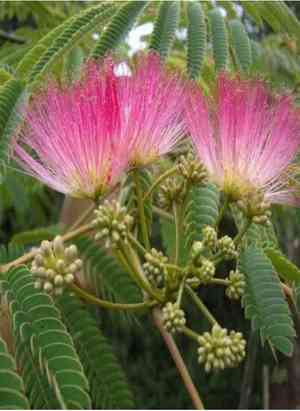
The optimal period for relocating a persian silk tree is in early spring, precisely when fresh development commences. This allows the specimen sufficient duration to acclimate and develop its root structure. Select a sunny spot with good drainage. Ensure you carefully untangle the roots prior to planting to facilitate successful root integration.
What Preparations are Needed Before Transplanting Persian Silk Tree?
What is the Ideal Time for Transplanting Persian Silk Tree?
For persian silk tree, the best season for relocation is early spring, a period of fresh starts. Moving it during this revitalizing phase gives persian silk tree ample time to settle in before summer. This timing ensures stronger roots and vigorous development.
How Much Space Should You Leave Between Persian Silk Tree Plants?
For your beautiful persian silk tree plant, ensure each transplant is spaced approximately 20-35 feet (6-10 meters) apart. This provides sufficient room for their growth and flourishing!
What is the Best Soil Mix for Persian Silk Tree Transplanting?
Your persian silk tree will flourish in well-draining loam or sandy loam soil. Incorporate some compost and a balanced slow-release fertilizer to enrich the soil before transplanting.
Where Should You Relocate Your Persian Silk Tree?
Select a garden location where your persian silk tree can receive full sun to partial shade. Aim for at least 4-6 hours of direct sunlight daily for a thriving and healthy plant!
What Equipments Should You Prepare Before Transplantation Persian Silk Tree?
Gloves
To safeguard your hands from any thorns on the persian silk tree plant and to prevent dirt from getting under your nails.
Shovel or digging spade
Used for extracting the plant from its original spot and preparing the new planting hole.
Hand Trowel
This smaller implement can be utilized for removing plants from containers without causing excessive disruption to the root system.
Gardening Pruning Shears
To trim any damaged roots or branches.
Watering Can
To hydrate the plant during the transplanting process.
Mulch Material
To assist in moisture retention following transplantation.
Sturdy Garden Stakes and Tie Tape
To offer support for the persian silk tree plant after transplanting if necessary.
How Do You Remove Persian Silk Tree from the Soil?
How Do You Remove Persian Silk Tree from the Soil?
From Ground: Before extracting the persian silk tree from the ground, water the soil to add moisture, which will help hold the roots together during the move. Carefully dig around the plant's perimeter, aiming to keep as much of the root ball intact as possible. Gradually dig beneath the root ball and gently lift the plant out of the ground, minimizing damage. From Pot: If the persian silk tree plant is in a pot, water it thoroughly, then tilt the pot sideways and gently pull on the plant's base while tapping the pot's bottom. If the plant doesnât slide out, roll the pot on its side and press along the sides to loosen the root ball. From Seedling Tray: Ensure the seedling is well-watered and using a spoon or small trowel, scoop out the seedling, making sure to retain as much soil with the root ball as possible.
Step-by-Step Guide for Transplanting Persian Silk Tree
Preparing the ground
Excavate a hole twice the root ball's width and equally deep. This extra space allows roots to spread and establish in their new location.
Checking plant health
Before placing the persian silk tree plant into the hole, examine it, trim any damaged or dead roots using pruning shears, and also remove any compromised branches.
Placing the plant
Position your persian silk tree into the hole. The top of the root ball should be level with or slightly above the surrounding soil to prevent water accumulation.
Backfilling
Once the plant is correctly positioned, carefully back-fill the hole, ensuring not to harm the plant or its root system.
Watering
Water thoroughly to help settle the soil around the root ball and reduce transplant shock.
Staking
If the persian silk tree plant is large and needs support, use garden stakes and tie tape to secure the plant, being careful not to damage the stem.
How Do You Care For Persian Silk Tree After Transplanting?
Watering
Water the plant frequently in the initial weeks after transplanting, ensuring the soil remains moist but not waterlogged.
Mulching
Applying mulch around the base of the persian silk tree plant helps keep roots cool, retain moisture, and reduce weed competition.
Inspecting
Regularly examine the persian silk tree plant for signs of stress or disease, especially during the initial period after transplant.
Pruning
Trim back any dead or dying branches, as this will help direct the plant's energy towards new growth and recovery from the transplant.
Staking
Remember to adjust or remove stakes as the persian silk tree plant grows and stabilizes.
Troubleshooting Common Issues with Persian Silk Tree Transplantation.
When is the most suitable time to transplant the persian silk tree?
The optimal period to transplant your persian silk tree is the beginning of spring. This season offers ideal growing conditions for your tree.
What's the appropriate spacing for persian silk tree when transplanting?
When transplanting persian silk tree, ensure you provide each tree ample room to expand, ideally 20-35 feet (6-10 m), to support their growth and vitality.
My persian silk tree appears to wilt after transplanting, what might be the issue?
Your persian silk tree may be experiencing transplant shock. Ensure it receives adequate water, but avoid overwatering. A layer of mulch can also help retain soil moisture.
The leaves of my transplanted persian silk tree are yellowing, why is that?
Yellowing leaves can indicate a nutrient deficiency. Regularly apply a balanced fertilizer to the soil around your persian silk tree to help address this problem.
Should I prune persian silk tree before transplanting?
Yes, gently prune your persian silk tree before moving it. This lessens stress on the plant and allows it to focus its energy on new root development.
How deep should the transplant hole be for persian silk tree?
The hole should be deep enough to accommodate persian silk tree's root system, typically 2-3 times the width of the root ball and equally deep.
What kind of soil is best for persian silk tree while transplanting?
Persian silk tree thrives in well-drained soil with a neutral to slightly acidic pH. The soil should be rich in organic matter for optimal growth.
Is there a specific technique to remove persian silk tree from its current pot for transplanting?
Yes, gently tilt the pot sideways, and lightly tap it to loosen the root ball. Ensure minimal damage to the roots during this process.
How should I water the persian silk tree after transplanting?
Thoroughly moisten the soil around persian silk tree immediately after transplanting. Water it deeply every week thereafter. Be careful to avoid overwatering to prevent root rot.
What steps can I take to ensure the successful transplanting of persian silk tree?
Ensuring proper spacing, fertile well-drained soil, adequate watering, and gentle handling during transplanting are crucial for the successful growth of your transplanted persian silk tree.



