How to Transplant Chocolate vine?
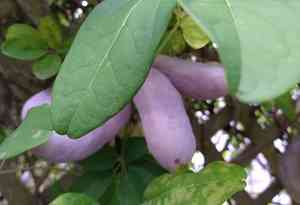
The ideal period for transplanting chocolate vine is during the spring, which fosters vigorous development. Select a spot with partial shade and ensure the ground drains effectively. Carefully managing the roots while moving the plant promotes successful establishment.
What Preparations are Needed Before Transplanting Chocolate Vine?
What is the Ideal Time for Transplanting Chocolate Vine?
The perfect time to move chocolate vine is in early spring. This timing aligns well with the plant's natural growth cycle, encouraging strong root development and vigorous growth. Moving chocolate vine as winter ends ensures it benefits from longer days and milder temperatures, which are crucial for a smooth transition. This period also allows chocolate vine to adapt before summer heat, leading to a more robust display in your garden.
How Much Space Should You Leave Between Chocolate Vine Plants?
When getting ready to transplant your chocolate vine, remember to provide adequate spacing between individual plants. Each plant should be positioned approximately 4-5 feet (1.2-1.5 meters) apart. This will give your chocolate vine sufficient room to expand and thrive.
What is the Best Soil Mix for Chocolate Vine Transplanting?
Prepare your soil before transplanting. Chocolate vine flourishes in well-drained, fertile soil. Incorporate a layer of compost or a foundational fertilizer to boost the soil's richness. This ensures your chocolate vine receives essential nutrients from the start.
Where Should You Relocate Your Chocolate Vine?
Regarding the perfect spot, your chocolate vine prefers areas with partial to full sunlight. Select a garden location that receives several hours of sun exposure, but isn't excessively hot. This will help your chocolate vine produce beautiful blooms.
What Equipments Should You Prepare Before Transplantation Chocolate Vine?
Shovel or garden spade
For digging into the earth and loosening soil when moving the plant, ensuring the chocolate vine plant's root ball stays intact.
Gardening gloves
To safeguard your hands while handling soil and plants.
Pruning shears
To trim any dead branches or roots prior to transplanting.
Trowel
Can be utilized for excavating smaller holes or extracting the chocolate vine plant from a container.
Garden fork
Used for carefully lifting the plant from the ground.
Watering can
To supply necessary water to the plant post-transplant.
Mulch
To cover the surface soil around the plant's new spot. This aids in moisture retention and weed suppression.
Stakes (optional)
To offer extra support to the plant if it is top-heavy.
How Do You Remove Chocolate Vine from the Soil?
How Do You Remove Chocolate Vine from the Soil?
From Ground: Before attempting to extract the chocolate vine plant, moisten the area to soften the soil, making excavation easier and safer for the root ball. Next, use a garden fork or spade to dig a wide trench around the plant, ensuring the root ball remains undamaged. Once enough soil has been removed, carefully work the spade or fork beneath the root ball to lift the plant from its original position.From a Pot: For chocolate vine plants in a pot, water the soil thoroughly to facilitate easier removal. Then, gently invert the pot and tap its base to slide the plant out. Avoid pulling the stem, which risks harming the plant.From Seedling Tray: For seedling trays, ensure the chocolate vine is well-hydrated before removal. Once slightly damp, turn the tray upside down while supporting the seedlings from below. Tap the tray to gently release each seedling. Handle seedlings by their leaves to prevent damage to the stem or roots.
Step-by-Step Guide for Transplanting Chocolate Vine
Inspection
Begin by checking the chocolate vine plant for any indications of disease or pests. If detected, treat the plant before proceeding with transplantation.
Before Transplanting
Water the chocolate vine plant several hours before moving it to its new location. This ensures the root ball is moist and stable.
Planting Hole
Excavate a hole in the new site that is twice as wide and equally deep as the root ball of your chocolate vine plant.
Positioning
Place the chocolate vine plant in the hole, making sure the top of the root ball is level with the surrounding soil. Add more soil underneath if required.
Filling
Backfill around the plant with the excavated soil and gently firm it around the roots. Avoid burying the stem in the soil.
Watering
Water the plant thoroughly after transplanting to help settle the soil around the roots and reduce transplant shock.
Mulching
Apply a layer of mulch around the plant, keeping it away from the stem, to help retain moisture.
How Do You Care For Chocolate Vine After Transplanting?
Watering
Ensure the chocolate vine receives regular watering, especially during the initial weeks following the transplant. The goal is to keep the soil moist but not saturated.
Pruning
Trim any dead or damaged foliage to encourage healthy growth. Typically, minimal pruning is needed for chocolate vine.
Monitoring
Keep a close watch on your chocolate vine for early signs of pests or diseases and address them promptly for the plant's well-being.
Staking (as needed)
If the plant is top-heavy, install a stake to support it until it becomes stable.
Patience
Transplanted plants often require some time to adapt to their new environment. Do not be alarmed if you don't observe immediate growth; be patient and allow your chocolate vine plant time to establish itself.
Troubleshooting Common Issues with Chocolate Vine Transplantation.
What is the best time of year to transplant chocolate vine?
The optimal period for transplanting chocolate vine is from early to mid-spring. This allows chocolate vine to establish its root system before the hot summer season arrives.
Whatâs the optimal spacing for chocolate vine when transplanting?
Provide each chocolate vine ample space to develop. The recommended plant spacing is 4-5 feet (1.2-1.5 meters). This promotes healthy growth and simplifies maintenance.
How should I prepare the soil before transplanting chocolate vine?
Ensure the soil is fertile, drains well, and has been amended with compost. This will supply the necessary nutrients for chocolate vine and foster successful growth after transplant.
What is the optimal depth for planting chocolate vine during transplantation?
When transplanting chocolate vine, ensure the root ball is fully covered with soil. This typically means a depth of around 10 inches (25 cm).
How much should I water chocolate vine after transplanting?
Immediately after transplanting chocolate vine, water it generously until the soil is moist but not waterlogged. Reduce watering as the plant becomes established.
What care is necessary for chocolate vine immediately after transplantation?
Maintain a consistent watering schedule, and provide shade if the plant appears stressed after transplantation. Also, monitor for pests, diseases, and ensure proper development.
Are there any specific signs of transplant shock in chocolate vine?
Chocolate vine might exhibit wilted leaves, stunted development, or leaf drop due to transplant shock. If observed, give the plant extra care and attention.
Should I prune chocolate vine before or after transplant?
To minimize transplant shock, it's best to prune chocolate vine just before transplanting. This helps manage its size and encourages bushier, healthier growth.
How soon can chocolate vine be expected to grow after transplanting?
Under ideal conditions, chocolate vine should begin showing signs of new growth within 2-3 weeks. Be patient, as some plants may take longer to establish.
Can chocolate vine be transplanted in a pot?
Absolutely, chocolate vine can be successfully transplanted into a pot. Ensure the container is sufficiently spacious and has good drainage for optimal growth.



