How to Transplant Common bugle?
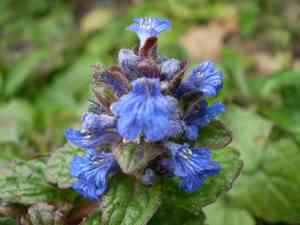
The optimal period for relocating Ajuga reptans is at the onset of spring, as nature reawakens. This timing enables the plant to develop a robust root structure in its new environment prior to the active growth phase. Select a site offering partial sunlight and soil that drains effectively. Ensure consistent watering of Ajuga reptans subsequent to its transplantation to foster a flourishing garden specimen.
What Preparations are Needed Before Transplanting Common Bugle?
What is the Ideal Time for Transplanting Common Bugle?
The optimal period for relocating common bugle is early spring. This timing promotes robust root development, enhancing the plant's vigor. This strategic placement ensures lush, vibrant growth in the coming summer.
How Much Space Should You Leave Between Common Bugle Plants?
When moving common bugle, aim for a spacing of 6-9 inches (15-23 cm) between them. This provides ample room for growth and prevents overcrowding.
What is the Best Soil Mix for Common Bugle Transplanting?
Before planting common bugle, enrich the soil by blending in well-draining compost and incorporating an all-purpose, slow-release fertilizer. This establishes an excellent foundation for your plant to flourish.
Where Should You Relocate Your Common Bugle?
For healthy development, select a spot where your common bugle will receive partial shade to full sun. This ensures the plant gets its required amount of sunlight.
What Equipments Should You Prepare Before Transplantation Common Bugle?
Gardening Gloves
To safeguard your hands while handling the soil and common bugle plant.
Trowel or Shovel
Depending on the plant's size, a small trowel or larger shovel will assist in digging holes and removing earth.
Watering Can or Hose
To moisten the soil and provide hydration after the transplant.
Pruners or Scissors
For trimming any damaged roots or foliage both before and after the relocation.
Stake or Support (optional)
If the common bugle plant is tall or needs additional stability, a stake or support will help keep it upright.
How Do You Remove Common Bugle from the Soil?
How Do You Remove Common Bugle from the Soil?
From Ground: First, hydrate the common bugle plant to moisten the earth. Then, excavate a wide trench around the plant using a shovel or trowel, ensuring the plant's root ball remains intact. Carefully work the spade beneath the root ball to lift the plant from its original spot.From Pot: Water the common bugle plant and gently squeeze the container to loosen the soil. Carefully turn the pot on its side and slide the plant out while supporting the root ball.From Seedling Tray: Use a small trowel or fork to carefully extract the common bugle seedling from the tray without harming the roots. Ensure to remove as much of the entire root system as possible.
Step-by-Step Guide for Transplanting Common Bugle
Preparation
Water the common bugle plant and soil thoroughly a few hours prior to transplanting to minimize stress on the plant.
Remove
Follow the removal procedure outlined above to carefully extract the common bugle plant without damaging its roots.
Dig Hole
Excavate a hole slightly larger than the root ball in the new planting site, considering the plant's preferred soil conditions and necessary spacing.
Position Plant
Place the common bugle plant in the hole, ensuring it sits at the same depth as it did in its previous location. Gently spread the roots if needed to encourage growth.
Backfill
Refill the hole with soil, pressing down gently around the plant's base to eliminate any air pockets.
Water
Water the newly transplanted common bugle plant gently but thoroughly to settle the soil.
Create Support
If necessary, add a stake or support for the plant and loosely tie it to the stake for stability.
How Do You Care For Common Bugle After Transplanting?
Watering
Maintain consistent moisture for the initial weeks after relocating the common bugle plant to encourage strong root development, but avoid overwatering.
Pruning
Remove any damaged or yellowing leaves post-transplant to stimulate new growth and reduce disease risk.
Monitoring
Observe the common bugle plant for any indications of stress or illness and take appropriate measures if needed, such as adjusting watering frequency or providing extra support.
Fertilizing
After a few weeks, you may invigorate your common bugle plant by applying a slow-release fertilizer according to its specific requirements. This will supply essential nutrients for continued healthy growth.
Troubleshooting Common Issues with Common Bugle Transplantation.
When is the best time to transplant common bugle?
The most suitable period to relocate common bugle is during the refreshing start of early spring.
What's the ideal distance between transplanted common bugle plants?
Aim for a separation of approximately 6-9 inches (15-23 cm) between each common bugle. This spacing allows each plant to thrive.
How deep should I plant common bugle when I am transplanting?
The new planting hole should be roughly the same depth as common bugle's root ball or its original container. This ensures roots are covered, but not excessively deep.
Should I water common bugle immediately after transplanting?
Absolutely! Water common bugle gently but generously right after transplanting to help it settle and minimize transplant shock.
How much sunlight does common bugle need after being transplanted?
Common bugle prefers sunny to partially shaded spots. After transplanting, expose them to sunlight based on these preferences and gradually acclimate them to their new environment.
Does common bugle prefer a certain type of soil for effective transplantation?
Common bugle performs well in various soil types, but it will particularly flourish in well-draining soil. It also benefits from a bit of mixed-in compost.
Do I need to prune common bugle when transplanting?
Generally, pruning common bugle immediately after transplanting isn't necessary. Just ensure to remove any visibly damaged or diseased parts to promote healthy growth.
What should I do if my newly transplanted common bugle isnât thriving?
Firstly, remain calm. Ensure common bugle is receiving adequate water, sunlight, and nutrients. If problems persist, consider a soil test to identify any deficiencies.
What care does common bugle need in the weeks following transplanting?
Keep the soil moist without overwatering, ensure proper sunlight exposure, and regularly check for any signs of pests or diseases. This will help common bugle establish itself.
Do I need to add fertilizer when transplanting common bugle?
While not essential, incorporating a balanced, slow-release fertilizer during transplanting can give common bugle a healthy start. However, avoid over-fertilizing to prevent root burn.



