How to Transplant Creeping bent?
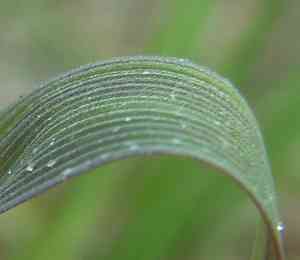
The most favorable period for relocating creeping bent is during late spring or the onset of early summer, which fosters vigorous development. Select a site featuring damp, adequately drained earth and filtered sunlight for superior outcomes. Bear in mind that careful manipulation aids in the successful rooting of creeping bent.
Essential Preparations Before Relocating Creeping Bent?
When is the Best Time to Move Creeping Bent?
Move creeping bent as spring transitions into early summer to leverage prime growth conditions. This period offers the warmth and increasing daylight creeping bent needs for strong root development, ensuring rapid integration into its new spot. This guarantees vigorous summer growth and a well-prepared plant for future seasons.
What is the Recommended Spacing Between Creeping Bent Plants?
For creeping bent, allow ample room for expansion by planting them 1-2 feet (0.3-0.6 meters) apart. This ensures each plant receives adequate nutrients and water from the soil.
What is the Optimal Soil Blend for Creeping Bent Relocation?
Prepare soil that drains well, with a slightly acidic, neutral, or alkaline base fertilizer. This will provide creeping bent with necessary nutrients and aid in establishing a robust root system.
Where Should You Replant Your Creeping Bent?
Select a site that receives full sun to partial shade for creeping bent. Approximately 6 hours (a full morning) of sun exposure is ideal. Remember, a sunny location promotes a healthier plant!
What Tools Are Needed Before Transplanting Creeping Bent?
Gardening Gloves
To safeguard your hands while handling soil and creeping bent.
Shovel or Trowel
Required for proper digging and lifting of the plant.
Gardening Fork
To loosen the soil in the designated new planting area.
Watering Can or Hose
For hydrating the plant before and after the relocation process.
Wheelbarrow or Plastic Bag
To transport the creeping bent from its original spot to its new home.
Organic Compost
To enrich the soil in the hole where the creeping bent will be placed.
How to Extract Creeping Bent from the Ground?
How to Extract Creeping Bent from the Ground?
From Ground: Begin by moistening the creeping bent plant to soften the soil. Use a shovel or trowel to dig a wide trench around the plant, ensuring the root ball remains intact. Carefully work the spade beneath the root ball to lift the creeping bent from its initial location. Wear gardening gloves to protect your hands during this task.From Pot: For potted creeping bent, the procedure is quite simple. Invert the pot while supporting the plant at its base, then tap the bottom to release the creeping bent along with its soil and root system.From Seedling Tray: If the creeping bent is in a seedling tray, first dampen the soil and use a small tool like a plastic spoon or popsicle stick to gently pry out the seedling, making sure to retain as much root as possible.
Step-by-Step Guide for Relocating Creeping Bent
Soil Preparation
Prepare the new planting hole before removing the creeping bent. The hole should be twice as wide and the same depth as the current root ball. Use a gardening fork to loosen the soil at the bottom of the hole.
Compost Addition
Incorporate a few handfuls of organic compost into the hole for enhanced soil nutrition.
Plant Relocation
Carefully position the creeping bent in the new hole, ensuring the top of the root ball is level with the soil surface. Backfill the hole with the excavated soil, gently firming it around the plant's base.
Watering
Thoroughly water the creeping bent immediately after transplanting.
Post-Transplant Care for Creeping Bent
Watering
Ensure the soil around the creeping bent plant remains consistently moist, but not waterlogged, during the initial weeks after transplant to aid root establishment.
Pruning
Remove any damaged or discolored leaves to encourage new growth. This also reduces stress on the newly transplanted creeping bent as it adapts to its new environment.
Monitoring
Closely observe the creeping bent for the first few weeks. If the plant appears wilted or unhealthy, it may require more water or shade. Always remember, your plant is adjusting to its new home; a little extra attention will be very beneficial.
Addressing Common Issues with Creeping Bent Transplantation.
What's the ideal period to transplant creeping bent?
The best window for transplanting creeping bent spans from late spring to early fall. This typically covers seasons 2 through 4.
What is the recommended spacing when transplanting creeping bent?
To ensure ample room for growth, maintain a distance of approximately 1-2 feet (30-60 cm) between your transplants. This will foster healthy development.
Do creeping bent need full sun or shade after transplanting?
Creeping bent are quite adaptable and thrive in various light conditions. However, for optimal results, ensure the plant receives partial sun exposure.
How often should I water creeping bent after transplanting?
Initially, water creeping bent frequently, keeping the soil moist but not saturated. As the plant settles, you can decrease watering frequency.
Why does my transplanted creeping bent appear wilted?
Newly transplanted creeping bent may wilt due to transplant shock. Keep the soil moist and initially limit excessive sun exposure.
Is it necessary to fertilize creeping bent immediately after transplanting?
No, it's not required. Instead of fertilizing right after transplanting, wait until you observe new growth, indicating the plant has settled.
Why is my transplanted creeping bent not thriving?
Insufficient water, sunlight, or nutrient deficiency could be contributing factors. Ensure your creeping bent has optimal conditions for growth.
Can I transplant creeping bent indoors?
Yes, creeping bent can be cultivated indoors provided they receive adequate sunlight and proper care. You just need to ensure it gets necessary nutrients.
How deep should I plant creeping bent during transplanting?
Plant creeping bent at the same depth it was in its nursery pot. This is generally around 3-4 inches (7.6-10.2 cm) deep.
How should the soil be prepared for transplanting creeping bent?
The soil should be well-draining and enriched with organic matter. A proper pH balance (5.5 - 6.5) is also crucial for healthy creeping bent growth.



