How to Transplant Hairy agrimony?
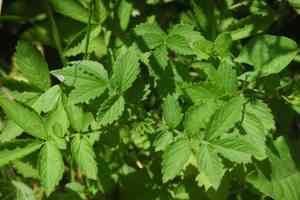
The most favorable period for moving hairy agrimony extends from the onset of early spring until just before summer begins, facilitating strong root development. Select a location featuring adequately drained earth and dappled sunlight, and during the transfer process, proceed gently to lessen root disruption.
What Preparations are Needed Before Transplanting Hairy Agrimony?
What is the Ideal Time for Transplanting Hairy Agrimony?
The optimal period for relocating hairy agrimony spans from the initial thaw of early spring through the mild warmth of late spring. Moving hairy agrimony during this timeframe capitalizes on naturally moist soil and cooler temperatures, which lessens transplant shock and allows ample time for root establishment before summer's heat. A helpful hint: planting hairy agrimony in your garden during this revitalizing phase enables them to fully embrace the growing season with robust vigor!
How Much Space Should You Leave Between Hairy Agrimony Plants?
When settling hairy agrimony into its new garden spot, aim for a comfortable arrangement with room to expand. Position them approximately 12-18 inches (30-46 cm) apart. This provides each plant sufficient area to thrive without being overcrowded by its neighbors.
What is the Best Soil Mix for Hairy Agrimony Transplanting?
Prepare a nourishing bed for hairy agrimony using well-draining soil abundant in organic material. Prior to planting, gently incorporate a balanced, slow-release fertilizer to give your hairy agrimony a healthy start. This careful attention promotes strong root development.
Where Should You Relocate Your Hairy Agrimony?
Choose a sunny location for your hairy agrimony that receives at least 6 hours of direct sunlight daily. Morning sun with afternoon shade is perfect, offering an ideal balance for these sun-loving perennials.
What Equipments Should You Prepare Before Transplantation Hairy Agrimony?
Gardening Gloves
To safeguard your hands while handling soil and hairy agrimony.
Spade or Shovel
For digging up the hairy agrimony and creating its new planting hole.
Hand Trowel
Useful for precise work around the hairy agrimony's roots and in smaller planting areas.
Pruning Shears
To trim any dead or excess growth before the transplanting process.
Watering Can or Hose
To hydrate the hairy agrimony before and after transplanting for easier removal and to encourage root growth.
Wheelbarrow or Plant Dolly
For moving the hairy agrimony from one spot to another without causing damage.
Root Pruning Knife
Optional, for cutting through dense root systems if necessary.
How Do You Remove Hairy Agrimony from the Soil?
How Do You Remove Hairy Agrimony from the Soil?
From Ground: First, moisten the hairy agrimony's soil to make it more manageable. Use a spade or shovel to dig a wide circle around the hairy agrimony, ensuring you are far enough away to avoid damaging the root ball. Carefully work the spade beneath the plant to loosen the soil and gently lift the plant from the ground.From Pot: Begin by watering the soil in the container to facilitate a smoother removal. Then, tilt the pot sideways and gently tap or squeeze it to loosen the hairy agrimony's root ball. Slowly slide the plant out while supporting its base and stems.From Seedling Tray: Water the seedling tray beforehand. Use a hand trowel or a spoon to carefully dig around the hairy agrimony seedling to prevent root damage. Gently ease the seedling out, supporting the root ball and plant stem as you lift.
Step-by-Step Guide for Transplanting Hairy Agrimony
Preparation
Gather all necessary tools and equipment, and confirm your new planting site meets the criteria from previous sections regarding spacing, soil type, and light conditions for your hairy agrimony. Wear gardening gloves to protect your hands throughout.
Plant Removal
Depending on the hairy agrimony's original location (ground, pot, or seedling tray), follow the appropriate removal process outlined above to carefully extract your plant with its root ball intact.
Digging New Hole
Excavate a hole at your chosen site that is twice the width of the hairy agrimony's root ball and of equal depth. This promotes easier root expansion and proper establishment in its new home.
Transplanting
Place the hairy agrimony's root ball into the newly dug hole, adjusting its depth so the top of the root ball is level with the surrounding soil surface. Backfill around the root ball with soil, gently pressing down to eliminate any air pockets.
Water Thoroughly
Water your hairy agrimony immediately after transplanting to settle the soil and help reduce transplant shock. This step is vital for reestablishing the root system.
Supportive Staking
If the hairy agrimony is tall or top-heavy, provide stakes for support to prevent wind damage and maintain an upright position while its roots become established.
How Do You Care For Hairy Agrimony After Transplanting?
Monitoring
Regularly inspect the hairy agrimony for indications of transplant stress, such as wilting foliage or discoloration, and adjust care as necessary.
Mulching
Apply a layer of organic mulch around the base of the hairy agrimony, being careful not to touch the stem. This helps maintain soil moisture and temperature.
Pruning
Trim away any dead or damaged stems and leaves to encourage healthy growth and improve air circulation around the hairy agrimony.
Gradual Sun Exposure
If the hairy agrimony was previously in a shadier spot, gradually introduce it to the new light conditions to prevent sunburn or shock.
Observation
Look for new growth as a sign that your hairy agrimony is adapting well to its new location. Continue with consistent, appropriate care as previously established.
Troubleshooting Common Issues with Hairy Agrimony Transplantation.
What's the best time to transplant hairy agrimony?
Transplant hairy agrimony when it emerges in early to late spring, making your garden vibrant.
How far apart should I space hairy agrimony when transplanting?
Allow hairy agrimony ample room to thrive by spacing them 12-18 inches (30-45 cm) apart.
Why is my hairy agrimony wilting after transplanting?
Wilting may be due to shock. Ensure gentle handling, adequate watering, and initially avoid direct sunlight.
How deep should I plant hairy agrimony roots?
Plant roots at the same depth as their original growing condition â neither too shallow nor too deep.
Can I transplant hairy agrimony in the summer?
It's risky; springtime best supports hairy agrimony's rooting and minimizes transplant shock.
Should I water hairy agrimony immediately after transplanting?
Yes, water gently to settle the soil around the roots and hydrate the plant.
How do I prepare the soil for hairy agrimony transplantation?
Enrich the soil with organic matter and ensure it drains well to welcome hairy agrimony.
Does hairy agrimony prefer sun or shade after transplanting?
Initially, provide hairy agrimony with some shade after transplanting, then gradually move it to a sunny spot.
What should I do if hairy agrimony's leaves turn yellow after transplanting?
Yellow leaves can indicate overwatering or poor drainage. Adjust watering and check soil conditions.
How do I protect hairy agrimony from transplant shock?
Minimize root disturbance, water it thoroughly, and keep it shaded for a few days post-transplant.



