How to Transplant White snakeroot?
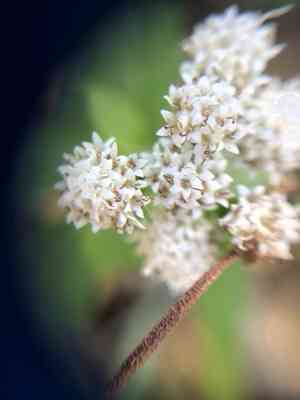
Transplanting white snakeroot is most effective from late spring through early summer, enabling the plant to develop a robust root structure prior to the colder months. Select a site featuring soil that drains efficiently and offers either partial or complete shade. Carefully untangle the roots before placement to encourage vigorous development.
What Preparations are Needed Before Transplanting White Snakeroot?
What is the Ideal Time for Transplanting White Snakeroot?
For optimal outcomes, move white snakeroot during the pleasant period from mid-spring to early summer. This timing allows the plant to develop robust roots and flourish, becoming a lovely and healthy addition to your garden.
How Much Space Should You Leave Between White Snakeroot Plants?
When relocating white snakeroot, ensure each plant has ample room to expand. Ideally, they should be spaced 1-3 feet (30-90 cm) apart, providing them with sufficient area to thrive.
What is the Best Soil Mix for White Snakeroot Transplanting?
For white snakeroot, select a well-draining soil rich in organic matter. You can incorporate compost or aged manure to enhance soil quality. A balanced, all-purpose slow-release fertilizer, such as a 10-10-10, will be perfect for supplying essential nutrients.
Where Should You Relocate Your White Snakeroot?
The best spot for transplanting white snakeroot is an area that receives partial shade, as excessive direct sunlight can harm the plant. Ensure it gets at least 4-6 hours of sun daily, but protection from intense midday sun is advisable.
What Equipments Should You Prepare Before Transplantation White Snakeroot?
Gardening Gloves
To safeguard your hands while handling soil and plants.
Shovel or Spade
For digging up and removing the plant from its original spot.
Garden Trowel
Used for excavating small holes or shifting minor amounts of soil.
Watering Can or Hose
To hydrate the plant before and after its relocation.
Bucket
For transporting the plant and its soil to the new site.
Compost or Organic Matter
To enrich the soil at the new planting location.
Mulch
To help retain soil moisture and deter weeds.
Garden Stakes or Supports (optional)
To provide stability for the plant if it needs extra support during establishment.
How Do You Remove White Snakeroot from the Soil?
How Do You Remove White Snakeroot from the Soil?
- From Ground:First, water the white snakeroot plant to moisten the soil. Then, dig a wide trench around the plant using a shovel or spade, ensuring the plant's root ball remains intact. Carefully work the spade under the root ball to lift the plant from its original location.- From Pot:Water the white snakeroot plant thoroughly to loosen the soil within the container. Gently tap the sides of the pot to release the root ball easily, then tilt the pot to slide the plant out. Avoid pulling by the stem to prevent stressing or damaging the plant.- From Seedling Tray:Water the white snakeroot seedlings gently and use a garden trowel to carefully lift the seedlings with as much of the surrounding soil as possible to maintain root structure and minimize stress.
Step-by-Step Guide for Transplanting White Snakeroot
Site Selection
Consider the mature size of the white snakeroot plant and ensure there is adequate space for it to grow without overcrowding. Make sure the location also meets its light requirements.
Soil Preparation
Dig a hole at least twice as wide and deep as the white snakeroot plant's root ball. Incorporate compost or organic matter to enhance soil fertility and drainage.
Positioning
Carefully place the white snakeroot plant in the prepared hole, ensuring the top of the root ball is level with the surrounding soil. Gently backfill with the enriched soil, firming it down lightly as you go.
Watering
Water the white snakeroot plant thoroughly, allowing the water to saturate the root ball and surrounding soil to eliminate air pockets.
Mulching
Apply a 2-3 inch layer of mulch around the base of the white snakeroot plant, avoiding direct contact with the stem. This will help retain moisture and suppress weeds.
Staking (optional)
If the white snakeroot plant requires extra stability, add garden stakes or supports as needed, being careful not to damage the roots.
How Do You Care For White Snakeroot After Transplanting?
Watering
Regularly water the white snakeroot plant for the first few weeks after transplanting to help establish strong roots, ensuring the soil stays consistently moist but not soggy. Gradually reduce the frequency as the plant settles.
Monitoring
Observe the white snakeroot plant for any signs of stress or damage, such as wilting or yellowing leaves, and address any issues promptly.
Fertilization
Wait a few weeks after transplanting before applying a balanced, slow-release fertilizer, following the manufacturer's instructions. This will give the plant time to adapt to its new environment and prevent over-fertilizing.
Pruning
Regularly trim dead or unhealthy branches to promote new growth and help the white snakeroot plant maintain its shape and size.
Pests and Diseases
Check the white snakeroot plant often for any pests or signs of diseases, treating issues promptly using eco-friendly methods to protect your garden's ecosystem.
Troubleshooting Common Issues with White Snakeroot Transplantation.
When's the best time to transplant white snakeroot?
The ideal time to transplant white snakeroot is between mid-spring and early summer. This will ensure optimal growth and survival.
How much space should I leave between white snakeroot plants?
For best results, maintain a spacing of approximately 1-3 feet (30-90 cm) between white snakeroot plants.
What's an ideal approach to preparing the soil?
First, loosen the soil in the transplanting area. Mix in compost or well-rotted manure to improve the soil quality.
Do I need to water white snakeroot before transplanting?
Yes, ensure the plant and soil around it are well-watered before transplanting. This helps to lessen transplant shock.
What is the appropriate depth to plant white snakeroot?
Aim to plant white snakeroot at the same depth it was growing previously. This helps to maintain consistent growth and development.
How do I avoid air pockets when transplanting white snakeroot?
After placing white snakeroot in its hole, gently press the soil around the root ball. This removes air pockets and secures the plant.
How often and how much should I water white snakeroot after transplanting?
Water white snakeroot consistently for the first few weeks. Initially, aim for 1 inch (2.5 cm) of water per week.
Should I mulch around white snakeroot after transplanting?
Yes, apply a 2-4 inch (5-10 cm) layer of mulch near the base of the plant. This conserves moisture and prevents weeds.
Do I need to fertilize white snakeroot after transplanting?
Fertilize with a general-purpose fertilizer, following the package instructions. Organic options like compost can also be used.
How can I reduce white snakeroot's transplant shock?
To reduce transplant shock, ensure you water white snakeroot thoroughly before and after transplanting, and choose an overcast day for relocation.



