How to Transplant Century plant?
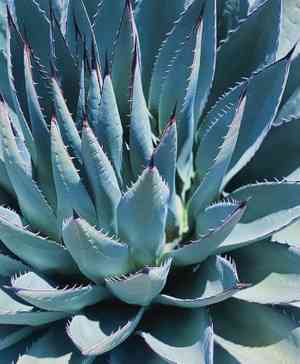
For relocating century plant, the ideal period is mid-spring, since the moderate temperatures foster root development and settling. Select sites with good drainage for robust growth. Should it be necessary, carefully separate roots during the transfer for best results. Enjoy your gardening!
Essential Preparations Before Relocating Century Plant?
Optimal Timing for Century Plant Relocation?
The best period to move century plant is during the pleasant mid-spring. This timeframe is ideal as century plant thrives in warmth, but not extreme heat, providing a perfect balance. Additionally, spring rains aid in meeting the plant's water requirements, facilitating its smooth establishment in the new spot. With sound advice, relocating century plant in mid-spring significantly boosts its chances of flourishing and blooming beautifully.
Recommended Spacing Between Century Plant Specimens?
When moving century plant, ensure a distance of 6-10 feet (1.8-3 meters) between them. This provides ample room for growth and guarantees optimal conditions for their healthy development.
Ideal Soil Blend for Century Plant Relocation?
For century plant, prepare well-draining soil enriched with organic matter. Incorporate a slow-release, balanced fertilizer (such as a 10-10-10 ratio) to supply the necessary nutrients for a robust start.
Selecting a New Site for Your Century Plant?
Choose a location that receives full sun or partial shade for your century plant. They require approximately 6 hours of sunlight daily to thrive, so observe sun patterns in your garden before transplanting!
Equipment Needed Before Moving Century Plant?
Shovel or Spade
For digging a hole and extracting the century plant from its original position.
Gardening Gloves
To safeguard your hands while handling soil and the plant.
Wheelbarrow
To transport the plant from one spot to another.
Trowel
For creating smaller holes and for more precise digging around the root system.
Watering Can or Hose
For hydrating the plant before and after the move.
How to Extract Century Plant from the Ground?
How to Extract Century Plant from the Ground?
From Ground: First, moisten the century plant's soil to ease its removal from the ground. Then, use a shovel or spade to dig a wide trench around the plant, ensuring the root ball remains intact. Carefully work the spade beneath the root ball to lift the plant from its initial location.From Pot: Begin by watering the century plant in its container. Gently shaking or tapping the pot's sides can help dislodge the plant. Invert the pot, holding your hand over the soil surface with the century plant's stem between your fingers. Carefully pull the pot upwards and off. Avoid pulling the plant by its stem.From Seedling Tray: The century plant in a seedling tray should be easily removed once it reaches an appropriate size for transplant. Gently hold the plant by its leaves, not the stem, and use a small tool, like a dibber or pencil, to lever the root and surrounding compost free.
Step-by-Step Guide for Relocating Century Plant
Excavating the Hole
First, dig a planting hole that is twice the width of the century plant's root ball and of equal depth.
Plant Preparation
Gently loosen any matted roots at the bottom and sides of the root ball. This will encourage new growth once the century plant is in the ground.
Positioning the Plant
Place the century plant in the hole, ensuring the top of the root ball is level with the ground surface. Backfill the hole with some of the previously removed soil.
Hydration
Thoroughly water the century plant after transplanting. This aids in settling the soil around the roots and minimizing transplant shock.
Post-Transplant Care for Century Plant
Watering Regimen
After relocation, water the century plant when the top three inches of soil are dry. Avoid excessive watering, as century plant requires less water than most plants.
Ongoing Maintenance
Monitor the century plant for any indications of stress, such as wilting, yellowing foliage, or stunted growth. Also, be vigilant for pests and diseases, and address them promptly.
Protective Measures
Depending on your climate, winter protection might be necessary. A layer of mulch can help shield the century plant from heavy rain and frost.
Addressing Common Issues with Century Plant Relocation.
What is the optimal season to move century plant?
The ideal period to relocate century plant is around mid-spring. This is when it can readily adapt to its new surroundings.
What spacing should I maintain when moving century plant?
To allow century plant ample room to grow, it's best to keep a distance of 6-10 feet (1.8-3 meters) between each plant.
Is immediate watering necessary after relocating century plant?
Indeed, provide century plant with a thorough watering immediately after moving it. This helps the roots establish well in the new spot.
What type of soil does century plant prefer during relocation?
Century plant thrives in well-draining soil, rich in organic matter. Avoid areas with clayey or waterlogged soil, as this could harm the roots.
Should I prepare the new site before moving century plant?
Yes, ensure you've prepared a well-dug space with fertile, loose soil for century plant before transplanting. This will facilitate root establishment and growth.
How deep should the hole be for relocating century plant?
The hole should be prepared to a depth twice that of the century plant's root ball. This typically measures around 10 inches (25 cm).
Is pruning necessary before moving century plant?
Pruning is not required before relocating century plant. However, any dead or damaged leaves should be removed to prevent disease spread.
What if century plant struggles after relocation?
Check for signs of waterlogging, insufficient sunlight, or pest damage. Amend the soil if needed. Remember, century plant takes time to establish, so be patient.
Can I move century plant on a hot, sunny day?
Avoid relocating century plant on excessively hot days. Early morning or late afternoon, during cooler temperatures, would be the most suitable time.
Is fertilizer application needed after relocating century plant?
Absolutely, a balanced, slow-release fertilizer will help century plant settle into its new location and promote healthy growth post-transplant.



