How to Transplant Indian mint?
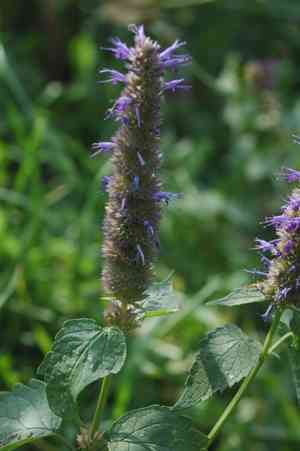
Choose the revitalizing period after winter to relocate indian mint, fostering robust development. Pick a bright location featuring soil that drains effectively, and contemplate enriching the ground with compost to prepare indian mint for its new environment.
Essential Preparations Before Moving Indian Mint
Optimal Timing for Relocating Indian Mint?
The best time to move indian mint is in early spring, as the ground begins to warm. This allows indian mint to establish its root system before the summer heat. Transplanting indian mint at this point encourages strong development, as mild temperatures and increasing daylight create perfect conditions for root growth. A friendly reminder: gentle spring weather benefits indian mint, ensuring a smooth transition and promising abundant growth. Eliminate frost worries and welcome a flourishing indian mint by selecting this ideal transplanting season!
Recommended Spacing Between Indian Mint Plants?
When moving indian mint, ensure each plant is spaced 2-3 feet (60-90cm) apart. This provides ample room for roots to expand and the plant to reach its full size. Great for beginners!
Best Soil Mixture for Indian Mint Transplanting?
Prepare a loose, well-draining soil for indian mint. Mixing in organic matter such as compost or aged manure helps enrich its nutrient content. This plant also benefits from an initial application of a balanced fertilizer. It's simpler than it sounds!
Where to Replant Your Indian Mint?
Indian mint thrives in a sunny location, ideally receiving at least 6 hours of direct sunlight daily. Therefore, when choosing a new spot, select an area with abundant sunshine. Remember, every plant enjoys a good sunbath!
Equipment Needed Before Transplanting Indian Mint
Gardening Gloves
To protect your hands from potential harm while working with soil and plants.
Garden Trowel
To carefully extract the plant and its root system from its original spot.
Pruning Shears
To trim any damaged or unnecessary parts of the indian mint.
Garden Spade or Shovel
For digging the hole in your new planting location.
Watering Can or Hose
To hydrate the indian mint plant both before and after moving it.
How to Extract Indian Mint from the Soil?
How to Extract Indian Mint from the Soil?
From Ground: First, thoroughly water your indian mint plant to make the removal process easier by moistening the soil. Using your garden trowel, dig a wide trench around the plant, ensuring the root ball remains intact. Gently slide the spade or trowel beneath the root ball to lift the plant from the ground, taking care not to harm the roots.From Pot: Begin by watering the potted indian mint plant. Next, tilt the pot sideways and carefully pull the plant out. If it doesn't come out easily, tap the sides of the pot to loosen the soil and try again. Avoid forceful pulling, as it may damage the plant's roots.From Seedling Tray: It's best to transplant your indian mint seedlings once they have at least two sets of true leaves. Start by watering the seedlings; this should simplify extraction. Using a small tool or even a tablespoon, carefully lift the seedling from its cell, taking as many roots as possible with as much soil as it will hold.
Step-by-Step Guide for Moving Indian Mint
Plant Health Assessment
Before moving, check the overall health of your indian mint. Trim any damaged or diseased sections with your pruning shears.
Hole Preparation
Using your garden spade or shovel, dig a hole that is twice as wide and as deep as the root ball of your indian mint.
Placement
Gently position the indian mint in its new hole. The top of its roots should be level with or slightly below the soil surface.
Soil Backfill
Refill the hole with the excavated soil, gently firming it around the roots, but avoid compacting it tightly.
Watering
Immediately after planting, water your indian mint generously to settle the soil and remove air pockets.
Post-Transplant Care for Indian Mint
Initial Watering
It is crucial to water the indian mint thoroughly immediately after transplanting to help the soil settle.
Regular Observation
Monitor your indian mint plant for any signs of transplant shock, such as wilting or leaf drop. If these symptoms persist, consult a local nursery or extension service.
Protection
If your indian mint is moved during a period of intense sunlight or heat, provide some shade for the plant initially until it becomes established.
Feeding
Avoid fertilizing for a few weeks to prevent root burn. Once the plant is established, feed it according to its nutritional requirements.
Troubleshooting Common Issues with Indian Mint Relocation.
When is the best season to move indian mint?
The optimal time for indian mint transplantation is 'S1'. This is when the plant establishes most effectively.
What spacing is ideal for indian mint after relocation?
Maintain a gap of 2-3 feet (60-90 cm) between each indian mint. This provides them with room to grow.
Should indian mint be moved to a sunny or shaded spot?
Indian mint grows best in full sun but can tolerate partial shade. Avoid excessively shaded areas.
What type of soil is best for moving indian mint?
Indian mint thrives best in well-drained soil. It prefers neutral to slightly alkaline pH levels.
How deep should I plant the indian mint when moving it?
Dig a hole 1-2 times the width and as deep as indian mint's root ball.
How often should I water indian mint after moving it?
Water indian mint generously after transplanting, then maintain moderate watering, allowing the soil to dry out between waterings.
Do I need to add fertilizers when moving indian mint?
It's advisable to add a slow-release, low-nitrogen fertilizer at planting. Nurture indian mint naturally for optimal results.
What signs will indian mint show if it doesn't adapt well to relocation?
Signs of transplant shock include wilting, minimal or no growth, yellowing leaves, and general stress.
What should I do if the moved indian mint isn't thriving?
Ensure indian mint receives adequate sunlight, water, and nutrients. If problems persist, consider a soil test.
Will indian mint spread after relocation?
Yes, indian mint will naturally spread over time. This is why sufficient spacing is necessary during transplantation.



