How to Transplant Anise hyssop?
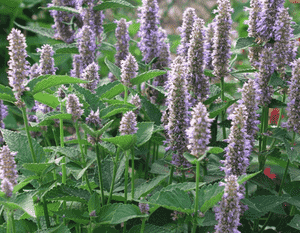
Relocating anise hyssop is most successful when performed in the pleasant window from early to late spring. Select a site featuring soil that drains effectively and receives either full or partial sunlight. Ensure a spacing of 15-18 inches between plants to encourage their best development. Enjoy your transplanting!
What Preparations are Needed Before Transplanting Anise Hyssop?
What is the Ideal Time for Transplanting Anise Hyssop?
The optimal period for relocating anise hyssop spans from late early spring to early late spring. This timeframe is perfect as the soil warms, aiding root establishment. Additionally, this timing allows anise hyssop to fully settle, thrive, and resist summer heat stress. Moving anise hyssop during this window leverages the plant's vigorous growth and the rich conditions of spring soil. Thus, your anise hyssop has a better chance of flourishing and showcasing its unique beauty.
How Much Space Should You Leave Between Anise Hyssop Plants?
When moving anise hyssop, ensure a spacing of approximately 12-18 inches (30-45 cm) between them. This provides ample room for growth and guarantees proper air circulation, which is vital for healthy development.
What is the Best Soil Mix for Anise Hyssop Transplanting?
Anise hyssop thrives in well-draining soil enriched with organic matter, such as compost or aged manure. Prior to transplanting, incorporate a granular, slow-release fertilizer into the soil to supply essential nutrients for robust growth.
Where Should You Relocate Your Anise Hyssop?
For a thriving anise hyssop plant, select a garden spot with full sun to partial shade. Ideally, aim for 6 or more hours of sunlight daily. This will promote vibrant blooms and healthy development throughout the season.
What Equipments Should You Prepare Before Transplantation Anise Hyssop?
Gardening Gloves
To safeguard your hands while handling soil and plants.
Trowel or Shovel
For digging the planting hole for anise hyssop and detaching the plant from its original spot.
Watering Can or Hose
To hydrate the soil around the plant before and after relocation.
Organic Compost
To enrich the soil and supply nutrients for the anise hyssop plant.
Mulch
To help maintain soil moisture around the anise hyssop plant post-transplanting.
Garden Shears
To trim any dead or damaged foliage and stems.
How Do You Remove Anise Hyssop from the Soil?
How Do You Remove Anise Hyssop from the Soil?
From Ground: First, moisten the anise hyssop plant's soil. Then, excavate a wide trench around the plant with a shovel or spade, ensuring the root ball remains intact. Carefully work the spade beneath the root ball to lift the plant from its initial position.From Pot: Begin by watering the anise hyssop plant to dampen the pot's soil. Invert the pot and gently tap its sides to loosen the root ball. Carefully slide the plant and root ball out of the container.From Seedling Tray: Water the anise hyssop seedling tray to moisten the soil. Use your fingers or a small trowel to gently loosen the soil around each seedling. Carefully lift the anise hyssop seedling from its cell, holding it by the leaves, not the stem.
Step-by-Step Guide for Transplanting Anise Hyssop
Site Selection
Choose a location with adequate sunlight and room for your anise hyssop plant to reach its mature size.
Dig the Hole
Using a trowel or shovel, excavate a hole in the chosen spot that is twice as wide and deep as the anise hyssop plant's root ball.
Soil Amendment
To enhance soil structure and add vital nutrients, blend some organic compost into the soil removed from the hole. Partially refill the hole with this enriched mixture.
Plant Placement
Carefully position the anise hyssop plant into the hole, ensuring the top of the root ball is level with the surrounding ground.
Backfill the Hole
Gently backfill the remaining amended soil around the root ball, covering it completely and preventing air pockets. Press the soil down firmly but gently to secure the plant.
Watering
Water the soil around the anise hyssop plant, ensuring the root ball is thoroughly saturated and all air pockets are eliminated.
Mulching
Apply a layer of mulch around the base of the anise hyssop plant to help retain moisture and suppress weeds.
How Do You Care For Anise Hyssop After Transplanting?
Watering
Keep the soil around the anise hyssop consistently moist, but not waterlogged, for the initial weeks after transplanting to aid in strong root establishment.
Trimming
Use garden shears to remove any dead or damaged leaves and stems, which will encourage new growth and prevent disease.
Monitoring
Regularly inspect the anise hyssop plant for signs of pests or diseases, addressing any issues promptly to maintain overall health.
Troubleshooting Common Issues with Anise Hyssop Transplantation.
What is the best timing for transplanting anise hyssop?
The ideal time to move anise hyssop is in spring, specifically from early to late spring.
How much space is needed between anise hyssop plants when transplanting?
Adequate spacing is crucial when relocating anise hyssop. Aim for a separation of about 12-18 inches (30-45 cm) between plants.
What should be the condition of the soil when transplanting anise hyssop?
Before transplanting, ensure the soil is well-draining and rich in organic matter. Anise hyssop thrives in fertile, well-aerated soils.
What can I do if my transplanted anise hyssop starts wilting?
Wilting may be due to insufficient water or transplant shock. Keep the soil consistently moist and shield the plant from extreme weather.
How deep should I plant anise hyssop during transplanting?
When repositioning anise hyssop, dig a hole deep enough to fully cover the root ball. The top of the root ball should be level with the surrounding soil.
Can I transplant anise hyssop in the summer?
Avoid transplanting anise hyssop during the summer heat. Heat stress can cause the plant to wilt or, in severe cases, perish.
Why are my newly transplanted anise hyssop leaves turning yellow?
Yellowing leaves might indicate overwatering or poor soil drainage. Ensure your anise hyssop is well-drained and not waterlogged.
How to water anise hyssop after transplantation?
After transplantation, maintain a consistent routine by watering anise hyssop lightly but regularly. Allowing the top inch of soil (2.5 cm) to dry out between waterings can prevent overwatering.
Should I prune anise hyssop before or after transplanting?
Pruning anise hyssop before transplanting can reduce transplant shock by balancing the root and shoot systems. Remove any unhealthy or excessively vigorous growth.
How can I minimize transplant shock in anise hyssop?
Ensure the root ball remains intact during transplantation to minimize root disturbance. Generous watering and consistent aftercare can also help alleviate transplant shock.



