How to Transplant Painted buckeye?
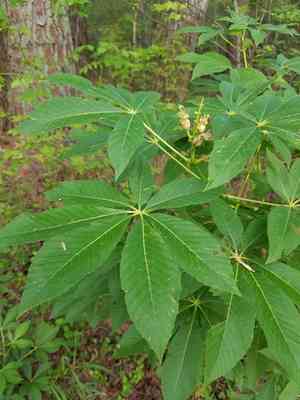
The most favorable period for transplanting painted buckeye spans from the lively onset of mid-spring until the mildness of early summer, facilitating strong root development. Select a sheltered spot featuring soil that drains effectively; careful manipulation enhances positive outcomes.
Preparations Required Before Relocating Painted Buckeye
Optimal Period for Moving Painted Buckeye?
The perfect time for transplanting painted buckeye spans from the revitalizing weeks following the last frost in spring until the approach of summer's warmth. Moving painted buckeye during this timeframe promotes strong root development before intense heat, giving them a solid base to flourish. A helpful hint: planting painted buckeye in this interval aligns with their natural growth cycle, fostering a smooth adjustment and a burst of vibrant health, making it an excellent gardening endeavor!
Required Spacing Between Painted Buckeye Plants?
Let's ensure your painted buckeye has ample room to expand! Aim to position them approximately 15-20 feet (4.5-6 meters) apart. This will provide each painted buckeye sufficient area to thrive without crowding its neighbors.
Ideal Soil Mixture for Painted Buckeye Relocation?
Before your painted buckeye settles into its new home, let's prepare the ground! They prefer well-drained, slightly acidic soil. Incorporate some leaf compost or aged manure to give them a nutrient-rich start. A balanced slow-release fertilizer will set the stage for robust growth.
Where to Replant Your Painted Buckeye?
The ideal spot for your painted buckeye involves a balance of light and shade. Select a location that receives partial sun, particularly one protected from the harsh afternoon rays. This way, your painted buckeye gets just enough light to thrive without suffering from sunburn!
Equipment to Prepare Before Transplanting Painted Buckeye?
Gardening Gloves
To safeguard your hands while handling soil and the plant.
Spade or Shovel
For excavating the plant and preparing its new site.
Garden Fork
To loosen the earth around the plant's root system.
Watering Can or Hose
To hydrate the plant before and after its transfer.
Wheelbarrow
To move the plant and soil efficiently.
Pruning Shears
To trim any damaged roots or foliage.
Mulch
To aid in retaining soil moisture and regulating temperature after transplant.
Measuring Tape
To ensure correct spacing between plants.
How to Extract Painted Buckeye from the Ground?
How to Extract Painted Buckeye from the Ground?
From Ground: Water the painted buckeye plant the day before to make the soil more workable. Dig a wide circle around the plant, being mindful of its extensive root system. Use a spade to carefully lift the plant, ensuring the root ball remains as intact as possible.From Pot: Gently tap the container's sides to loosen the soil. Invert the pot and support the plant as it slides out. Hold the root ball with your hand to prevent it from breaking apart.From Seedling Tray: Water the seedlings to ensure the soil is damp. Use a tool like a dibbler or a small implement to carefully remove the seedling without disturbing its root structure. Handle the seedling by its leaves, not the stem, to avoid damage.
Step-by-Step Guide for Relocating Painted Buckeye
Prepare the New Site
Dig a hole that is twice as wide and as deep as the painted buckeye's root ball. If needed, enrich the excavated soil with compost to improve its texture.
Removing the Plant
Following the removal instructions, extract the painted buckeye with a sufficient amount of surrounding soil to protect its root system.
Positioning the Plant
Place the painted buckeye in the center of the hole, ensuring it sits at the same depth it was previously growing. Adjust the depth by adding or removing soil at the bottom of the hole.
Backfilling the Hole
Carefully refill the hole with the amended soil, gently pressing down to secure the painted buckeye and eliminate air pockets.
Watering
Thoroughly water the painted buckeye after planting to settle the soil and hydrate its roots.
Mulching
Apply a layer of mulch around the base of the painted buckeye, avoiding direct contact with the stem to prevent rot.
Post-Transplant Care for Painted Buckeye
Initial Watering
Provide the painted buckeye with ample water immediately after transplanting and maintain a consistent watering schedule without overwatering.
Evaluate Plant Health
Monitor the painted buckeye for signs of transplant shock, such as wilting or yellowing leaves, and carefully trim any damaged or dead foliage.
Stake Support
If the painted buckeye is tall or exposed to strong winds, gently stake it to provide support as it establishes.
Pest Protection
Watch for any pests that might exploit the painted buckeye's stress and manage them appropriately.
Gradual Acclimatization
If the painted buckeye is moved during a different season or climate, shield it from extreme temperatures and sunlight changes for a few days to help it adjust.
Resolving Common Issues with Painted Buckeye Transplantation.
When is the best time to move painted buckeye?
The optimal period to relocate painted buckeye is from late spring to early summer, ensuring the most favorable growth conditions.
What spacing should I use for painted buckeye when transplanting?
Allow painted buckeye to flourish by spacing them 15-20 feet (4.5-6 meters) apart, providing ample room for their mature size.
What soil type is recommended for transplanting painted buckeye?
A rich, well-draining soil with a slightly acidic to neutral pH is ideal for painted buckeye, promoting healthy root development.
How deep should I dig the hole for transplanting painted buckeye?
Dig a hole that is twice the width and the same depth as the root ball of painted buckeye to encourage proper root expansion.
How much should I water painted buckeye after transplanting?
Initially, water painted buckeye generously to settle the soil around the roots, then maintain consistent moisture without overwatering.
What if painted buckeye leaves wilt after transplanting?
Wilting can be due to transplant shock. Keep the soil moist and provide shade. Usually, painted buckeye recovers as it adjusts to the new location.
Can painted buckeye be transplanted in full sun?
Yes, painted buckeye can be transplanted in full sun, but it's essential to ensure good watering practices to prevent stress on the plant.
How do I prepare painted buckeye for transplanting?
Water painted buckeye thoroughly a day before moving, and gently dig around to preserve as much root structure as possible.
Should I apply fertilizer when transplanting painted buckeye?
It's best to wait until painted buckeye has established itself in the new location before fertilizing, allowing the plant to focus on root growth initially.
What is the maximum size I can expect for a transplanted painted buckeye?
With proper care, painted buckeye can grow up to 10-12 feet (3-3.5 meters) tall and wide, making it a stunning addition to any garden space.



