How to Transplant Ohio buckeye?
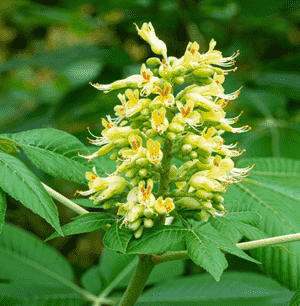
For ohio buckeye, the optimal period for relocation is during the early to mid-spring, allowing root development prior to summer's warmth. Select a location featuring adequately draining soil and filtered sun exposure. If possible, ensure regular hydration following the move for smooth adaptation.
Essential Preparations Before Relocating Ohio Buckeye
Optimal Timing for Moving Ohio Buckeye?
The best time to move ohio buckeye is at the start of spring or during its peak. Giving ohio buckeye a fresh beginning in these revitalizing months allows it to establish roots in cooler, moist soil, promoting healthier growth. Performing this task as nature renews itself aligns perfectly with ohio buckeye's growth cycle, ensuring a smooth transition and robust development. Choosing this period for transplanting guarantees ohio buckeye thrives, benefiting from mild temperatures and the upcoming surge of growth-enhancing weather.
Required Distance Between Ohio Buckeye Plants?
For ohio buckeye, ensure a perfect spacing of 20-30 feet (6-9 meters) between each plant. This will provide ample room for their branches to spread. It might seem like a lot of space now, but your ohio buckeye will appreciate it as they mature!
Ideal Soil Blend for Ohio Buckeye Transplanting?
Prepare a foundational fertilizer mix for your ohio buckeye by enriching the soil with aged compost or manure. They prefer soil that drains well and retains moisture. Your local garden center can advise on the best mix to create. Get your hands dirty, and your ohio buckeye will flourish!
Where to Replant Your Ohio Buckeye?
Choose a spot with full sun or partial shade for your ohio buckeye seedlings. They are quite adaptable, but remember that too much shade might hinder their blooming. So, enjoy the glorious sunshine with your ohio buckeye!
Tools Needed Before Transplanting Ohio Buckeye
Gardening Gloves
To safeguard your hands while handling soil and ohio buckeye.
Shovel or Garden Spade
For excavating the plant from its original spot and preparing a new hole at the transplant site.
Wheelbarrow or Plant Pot
To safely move ohio buckeye from its initial location to the new one without harming the roots.
Garden Trowel
For precise digging and positioning ohio buckeye in its new home.
Watering Can or Hose
To hydrate ohio buckeye before removal, during the transplant process, and after transplanting to ensure it is well-moisturized.
Mulch
To apply around ohio buckeye after transplant to help retain soil moisture and prevent weed growth.
Stakes
To support ohio buckeye in the initial days after transplant if it cannot stand upright on its own due to its size.
How to Extract Ohio Buckeye from the Ground
How to Extract Ohio Buckeye from the Ground
From Ground: Start by watering ohio buckeye to moisten the soil. Using a shovel or garden spade, dig a wide trench around the plant, making sure the plant's root ball remains undisturbed. Carefully work the tool beneath the root ball to lift the plant from its current spot. Once the roots are exposed, gently scoop them up and place the ohio buckeye in a wheelbarrow or plant pot for secure transport.From a Pot: Water ohio buckeye before beginning the removal process. Invert the pot to allow the plant to slide out with the soil, avoiding unnecessary disturbance to the root ball. If the plant is stuck, lightly tap the sides or bottom of the pot to dislodge it, or gently slice the root ball with a knife for plants with pot-bound roots.From a Seedling Tray: Pour water into the tray to loosen the soil and roots. Handle the seedlings by their leaves, not their delicate stems, gently coaxing the ohio buckeye seedling out of the tray by lifting from underneath with a flat tool like a butter knife.
Step-by-Step Guide for Relocating Ohio Buckeye
Preparation
Ensure ohio buckeye is thoroughly watered several hours before the planned transplant; this will enhance its resilience during the move.
Dig a Hole
At the chosen site, dig a hole that is roughly twice the width and the same depth as the root ball of ohio buckeye. Make sure the hole's sides are sloped.
Placement
Position ohio buckeye in the hole you've dug. Ensure the top of the root ball is level with, or slightly above, the ground surface.
Backfill
Refill the hole. Add soil gradually and gently press it around ohio buckeye to eliminate air pockets.
Water
Water the ohio buckeye immediately after planting it. The soil should be damp, not saturated.
Stake (if needed)
If the transplanted ohio buckeye cannot stand independently due to its size, use stakes for support.
Mulch
Apply mulch around ohio buckeye to help retain soil moisture and deter weeds. Keep the mulch a few inches away from the trunk to prevent rot.
Post-Transplant Care for Ohio Buckeye
Watering
Maintain consistent watering for ohio buckeye after transplant. The soil should always be kept moist but never waterlogged.
Mulching
Regularly inspect the mulch and replenish it if it thins. This will help maintain soil moisture and suppress weed growth.
Pruning
Wait until the next dormant season before pruning your ohio buckeye. Post-transplant, the plant will be focusing on root growth, so avoid stimulating top growth with pruning.
Feed
Wait for a full year before applying any fertilizer. Allow the roots to firmly establish in the soil.
Addressing Common Issues with Ohio Buckeye Transplantation.
When is the best time to transplant ohio buckeye?
Transplanting ohio buckeye is best done between early Spring to late Spring (S1-S2). This helps establish a root system before hotter weather.
What is the recommended spacing when planting ohio buckeye?
For optimal growth, plant each ohio buckeye approximately 20-30 feet (6-9 meters) apart. This ensures adequate sunlight and air circulation.
What should I do if the ohio buckeye doesn't look healthy after transplanting?
Don't worry! Ensure it's receiving sufficient water, but not excessive. Also, verify it's getting ample sunlight, and the soil drains properly.
How deep should I dig the hole when transplanting ohio buckeye?
Dig a hole that's twice as wide and equal in depth to the plant's root ball. This provides enough space for the roots to spread out.
What type of soil does ohio buckeye prefer?
Ohio buckeye thrives in well-drained soil. A slightly acidic to neutral pH is ideal. You can enhance soil conditions with compost or an appropriate soil amendment.
How much water does a transplanted ohio buckeye need?
Initially, ohio buckeye requires frequent watering until established. Then water as needed, being careful not to waterlog the roots. Frequency will depend on the climate.
Should I prune ohio buckeye after transplanting?
It's not necessary immediately after transplanting. However, prune dead or dying branches to help the ohio buckeye focus energy on root and leaf development.
What if the leaves of ohio buckeye turn yellow after transplanting?
Yellow leaves may indicate overwatering, under-watering, or a nutrient deficiency. Check the soil moisture and review your watering and fertilizing practices.
How to fertilize a newly transplanted ohio buckeye?
Newly transplanted ohio buckeye typically tolerate a balanced, slow-release fertilizer. Fertilize only after the plant has had some time to settle in.
What happens if I don't achieve the ideal spacing for ohio buckeye?
If ohio buckeye is planted too closely, it could limit sunlight and airflow, promoting disease and poor growth. Follow the 20-30 feet (6-9 meters) spacing guideline.



