How to Transplant Yellow Buckeye?
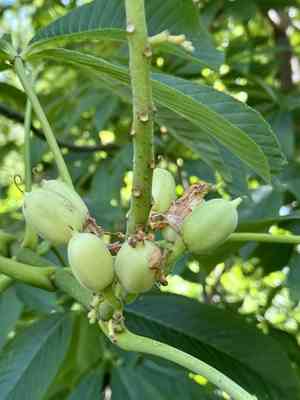
The most favorable period for relocating yellow Buckeye is during the revitalizing phase of early to mid-spring. Choose a site that offers abundant light and soil that drains effectively, mirroring its native environment. Careful handling at this stage will facilitate a seamless adjustment.
Essential Preparations Before Relocating Yellow Buckeye
Optimal Timing for Yellow Buckeye Relocation?
The best period for moving yellow Buckeye is during the onset of early spring or the refreshing days of mid-spring. This timeframe allows yellow Buckeye to establish its root system before the summer heat intensifies. Transplanting in these revitalizing months ensures the resilient yellow Buckeye has ample opportunity to recover and adapt. By relocating your yellow Buckeye during this favorable season, you are setting the stage for vigorous growth and vitality, utilizing the cooler temperatures and increasing daylight to the plant's benefit.
Required Spacing Between Yellow Buckeye Plants?
For yellow Buckeye, ensure ample room for development. Ideally, position each plant approximately 20-30 feet (6-9 meters) apart. This provides the necessary area for it to expand and thrive. Remember, thoughtful spacing now can prevent potential issues later.
Best Soil Mixture for Yellow Buckeye Transplanting?
Soil quality is crucial for yellow Buckeye's well-being. It prefers well-draining loamy soil. Begin by enriching the soil with a slow-release, granular fertilizer. This will establish a strong foundation by supplying essential nutrients.
Where to Replant Your Yellow Buckeye?
Sunlight is vital for yellow Buckeye. Select a site with full sun to partial shade exposure. This means it can receive sunlight for a portion of the day and shade for the remainder. A balance of sun and shade will help it flourish.
Equipment Needed Before Transplanting Yellow Buckeye?
Gardening Gloves
These will safeguard your hands while working with the plant and soil.
Spade or Shovel
This tool is essential for digging holes and extracting the plant from its current spot.
Watering Can/Hose
Used to hydrate the plant before, during, and after the relocation process.
Wheelbarrow
For moving the plant and soil, especially if the plant is large.
Organic Mulch
This will aid in retaining soil moisture after the plant has been moved.
Garden Knife or Pruners
Useful for separating roots if the plant is root-bound.
Stakes and Ties
In case the yellow Buckeye requires support post-transplant.
How to Extract Yellow Buckeye from the Soil?
How to Extract Yellow Buckeye from the Soil?
From Ground: Start by watering the yellow Buckeye to make the surrounding soil easier to manage. Use your spade or shovel to dig a wide circle around it, being careful not to harm the root ball. Gently slide the spade beneath the root ball and lift the plant from its position. From a Pot: Water the plant thoroughly before starting. Turn the pot on its side and carefully pull the yellow Buckeye by grasping its base. If the plant doesn't slide out easily, you may need to run a knife along the inner edge of the pot to loosen the roots. From a Seedling Tray: Water the tray, then gently ease the yellow Buckeye out, ensuring you avoid damaging the roots. Use a tool like a spoon or a garden trowel for this to minimize harm.
Step-by-Step Guide for Relocating Yellow Buckeye
Plant Removal
Follow the instructions detailed above, depending on whether the yellow Buckeye is currently in the ground, in a container, or in a seedling tray.
Prepare Hole
Excavate a hole in the ground that is twice the width of the yellow Buckeye's root ball and of the same depth. Loosen the soil at the bottom of the hole with your fingers or a hand trowel.
Plant
Position the yellow Buckeye in the hole. Ensure that the top of its root ball is level with the surrounding ground. Backfill the hole with soil, gently pressing it down around the plant's base.
Water
After the yellow Buckeye has been placed in the hole and soil has been returned around it, water it thoroughly. This helps the plant settle into its new location and also compacts the soil around its roots.
Mulch
Apply a layer of organic mulch around the yellow Buckeye, but be careful not to let it touch the plant's trunk. Mulch helps to conserve soil moisture and regulate soil temperature.
Post-Transplant Care for Yellow Buckeye
Watering
Consistent watering is crucial for the initial weeks after moving the yellow Buckeye. The soil should be kept moist, but avoid waterlogging or excessive wetness.
Pruning
Only trim dead or damaged parts of the yellow Buckeye after transplanting. Avoid any significant pruning during the first year.
Support
If the yellow Buckeye appears unstable after relocation, use stakes and ties to provide support until it becomes established.
Monitoring
Observe the yellow Buckeye for any indications of stress, such as wilting or yellowing leaves. If these symptoms appear, consult a local nursery or extension service.
Resolving Common Issues with Yellow Buckeye Transplantation.
When is the best time to transplant yellow Buckeye?
Optimal times for relocating yellow Buckeye are during S1-S2, the dormant periods, when plant stress is minimized.
What is the ideal spacing for yellow Buckeye when transplanting?
Ensure that yellow Buckeye saplings are positioned approximately 20-30 feet (6-9 meters) apart. This distance allows them to achieve their full growth potential.
What should the soil condition be like for transplanting yellow Buckeye?
Yellow Buckeye prefers well-drained soil. It's beneficial if the soil is somewhat sandy or loamy. Additionally, a slightly acidic to neutral pH is ideal.
How deep should the hole be for transplanting yellow Buckeye?
The hole should be twice the width of the root ball and the same depth. This provides ample space for the roots to spread and grow.
How should the roots of yellow Buckeye be prepared before transplanting?
Hydrate the plant's roots thoroughly a day prior to transplanting. To further reduce shock, minimize disturbance to the roots as much as possible during the process.
What is the right method to place yellow Buckeye in the transplant hole?
Place yellow Buckeye in the center of the hole with the top of the root ball level with the soil surface. Then, backfill with soil.
How should I water yellow Buckeye after transplanting?
Generously water yellow Buckeye immediately after transplanting. Aim to keep the soil consistently moist but not waterlogged. Overwatering can lead to root rot.
Should I stake yellow Buckeye after transplanting?
If yellow Buckeye is tall and exposed to strong winds, yes. Staking can provide the necessary support and prevent uprooting during its initial growing season.
Is fertilization necessary after transplanting yellow Buckeye?
Fertilizer is not immediately required for yellow Buckeye after transplanting. Allow the plant to settle for a few weeks, then consider a slow-release fertilizer if needed.
How do I know if my transplanted yellow Buckeye is in shock?
Common indicators include wilted leaves or stunted growth despite optimal conditions. If yellow Buckeye begins to show these signs, ensure it has sufficient water and minimal stress.



