How to Transplant California buckeye?
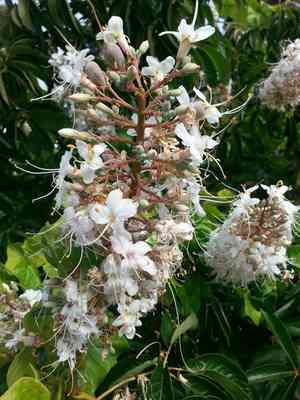
The most favorable period for transplanting california buckeye spans from the pleasant warmth of late spring into early summer, allowing ample opportunity for root systems to settle prior to their dormant phase. Select a location featuring soil that drains effectively and offers partial shade. Exercise extreme care when manipulating the root ball.
What Preparations are Needed Before Transplanting California Buckeye?
What is the Ideal Time for Transplanting California Buckeye?
The optimal period for relocating california buckeye is during the transition from late spring to early summer. This allows roots to become established before intense heat. Moving california buckeye to its new spot in the mild temperatures of this season promotes successful root development, crucial for enduring the upcoming high summer heat. A helpful tip: the cool yet increasing warmth of this time offers an ideal setting for california buckeye to flourish after transplant.
How Much Space Should You Leave Between California Buckeye Plants?
Ensure california buckeye plants have sufficient room to grow. Position each plant approximately 15-20 feet (4.5-6 meters) apart. This facilitates air circulation, reduces nutrient competition, and prevents overcrowding or entanglement.
What is the Best Soil Mix for California Buckeye Transplanting?
Cultivate a nourishing environment for california buckeye! The most suitable soil is well-drained and rich in organic material. A small amount of slow-release, balanced base fertilizer enriches the soil, gradually supplying nutrients to the plant's root system.
Where Should You Relocate Your California Buckeye?
Regarding placement, california buckeye prefers a location with full sun to partial shade. However, in hotter climates, it's advisable to provide afternoon shade to keep california buckeye content!
What Equipments Should You Prepare Before Transplantation California Buckeye?
Gardening Gloves
To safeguard your hands while handling soil and california buckeye.
Spade or Shovel
For excavating the hole in the new site and extracting the plant from its original ground location.
Garden Trowel
These are useful for transferring smaller plants from containers or trays.
Garden Hose or Watering Can
For hydrating the plant before and after its relocation.
Pot (if relevant)
If california buckeye is currently in a pot, a larger container might be necessary for transplanting.
Wheelbarrow (if relevant)
To transport the plant if it is large or heavy.
How Do You Remove California Buckeye from the Soil?
How Do You Remove California Buckeye from the Soil?
From Ground: First, water the california buckeye plant to moisten the surrounding soil. Dig a sufficiently deep circle around it with a shovel or spade, ensuring to encompass the entire root system. Gently pry the plant out from one side, then the other, keeping the root ball intact.From Pot: Water the california buckeye an hour prior to transplant, allowing excess water to drain. Turn the pot on its side, carefully hold the plant's stem, and attempt to slide it out. If unsuccessful, you may need to tap the rim on a firm surface to loosen the root ball.From Seedling Tray: Handle the california buckeye with care to avoid damaging the delicate stem or roots. Gently squeeze the base of the cell or seedling pot, then lift the plant from its base, avoiding pulling the stem.
Step-by-Step Guide for Transplanting California Buckeye
Preparation
First, prepare the new site by digging a hole that is twice as wide and at least as deep as the plant's root ball.
Transplanting
Position california buckeye in the center of this hole. Backfill the hole, ensuring the plant is not buried deeper than it was in its initial location. Confirm the plant is upright and firm the soil around it.
Watering
Immediately after transplanting, thoroughly water california buckeye to settle the soil around the plant's roots and aid in recovery from transplant shock.
How Do You Care For California Buckeye After Transplanting?
Aftercare
Post-transplant, regularly check on the california buckeye's condition. Watch for wilting leaves or a lack of new growth, as these could signal transplant shock.
Watering
Monitor soil moisture daily and irrigate when the top couple of inches of soil are dry.
Protection
Shield the california buckeye from harsh weather conditions like intense sun or strong winds, as these can cause additional stress. Remove any faded flowers to encourage new blooms.
Troubleshooting Common Issues with California Buckeye Transplantation.
What's the best time of year to transplant california buckeye seedlings?
Transplanting california buckeye should ideally occur in late summer to early autumn, corresponding to S3-S4 seasons.
How much space should be between california buckeye plants?
For optimal growth, ensure each california buckeye plant has a 15-20 feet (approx. 4.5-6 meters) radius around it.
Why isn't my transplanted california buckeye growing properly?
Ensure you're not planting in inadequate soil. California buckeye prefers well-drained sites and the correct spacing of 15-20 feet (approx. 4.5-6 meters).
What's the ideal soil condition for california buckeye transplantation?
California buckeye thrives in well-drained soil. Make sure the soil is not waterlogged. A soil pH between 6.0 and 7.5 is optimal.
Is there an ideal speed at which to transplant california buckeye?
Yes, transplant california buckeye at a moderate pace, allowing sufficient time for the roots to establish before winter.
What if my transplanted california buckeye shows signs of wilting or yellowing leaves?
This may indicate overwatering or poor drainage. Ensure the soil drains properly and is not excessively wet.
What is the best way to prepare the root ball for california buckeye transplantation?
Create a root ball that includes most of the roots but is not too large to move. Be gentle to prevent root damage.
Should I prune california buckeye before transplanting?
No, pruning is not advised before transplanting. It can cause stress to california buckeye. Wait until it is established in its new location.
Do I need to add anything to the soil when transplanting california buckeye?
You can enrich the soil with organic matter or a slow-release fertilizer. However, california buckeye does not require overly fertile soil, so do not overdo it.
How often should I water california buckeye after transplanting?
Water california buckeye immediately after transplanting and keep the soil consistently moist, but not waterlogged, as the plant establishes itself.



