How to Transplant Lipstick plant?
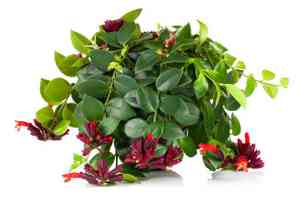
The most suitable period for relocating lipstick plant is from the gentle warmth of late spring to the middle of summer, enabling their root systems to settle in temperate conditions. Provide a spot with ample, diffused illumination for robust development, and manage them delicately to avoid shock.
What Preparations are Needed Before Transplanting Lipstick Plant?
What is the Ideal Time for Transplanting Lipstick Plant?
The optimal period to relocate lipstick plant is from late spring into early summer. This timeframe provides moderate temperatures and extended daylight, creating excellent conditions for lipstick plant to establish roots without the intense stress of midsummer heat. Moving lipstick plant during these warmer months allows it to recover, thrive, and enhance your garden with its unique greenery and attractive flowers. By selecting this window, you ensure lipstick plant has ample time to settle before autumn's chill. This gentle transition gives lipstick plant a strong start, promising a vibrant display in your home or garden.
How Much Space Should You Leave Between Lipstick Plant Plants?
When preparing to transplant your lipstick plant, ensure each plant has ample room to grow. Ideally, aim to space each lipstick plant approximately 1-2 feet (30-60 cm) apart. This spacing allows them to expand and mature without competing for essential resources.
What is the Best Soil Mix for Lipstick Plant Transplanting?
For your lipstick plant, select a well-draining soil mixture that mimics a jungle floor. A base blend of peat moss or coconut coir is a good choice, enhanced with perlite for improved drainage. Incorporating a balanced slow-release fertilizer at planting time will give lipstick plant an excellent start.
Where Should You Relocate Your Lipstick Plant?
Sunlight is vital for plants, and lipstick plant is no exception. Choose a spot that receives bright but indirect light, as excessive direct sunlight can harm its leaves. An east or north-facing window indoors would be perfect for your lipstick plant.
What Equipments Should You Prepare Before Transplantation Lipstick Plant?
Gardening Gloves
Wear these to prevent potential skin irritation from soil or plants, and to guard against minor cuts or scratches from spades or sharp pot edges.
Spade or Shovel
Useful for excavating the plant's root ball without causing excessive damage.
Watering Can
Required for hydrating the plant both before and after the transplanting process.
Gardening Fork
Helps to loosen the soil surrounding the root ball.
Garden Cart or Wheelbarrow
Assists in effortlessly moving the lipstick plant plant to its new location.
Trowel
This small hand tool is ideal for creating the transplant hole and covering the roots with soil once relocated.
How Do You Remove Lipstick Plant from the Soil?
How Do You Remove Lipstick Plant from the Soil?
From Ground: The day before you plan to transplant your lipstick plant, water it thoroughly to facilitate easier soil removal and protect the roots. On transplant day, slide a spade or gardening fork beneath the root ball, gently prying it upwards, taking care to keep as much of the root ball intact as possible. If the lipstick plant is large, you might need a garden cart or wheelbarrow to transport it to its new spot.From Pot: Water the lipstick plant until water drains from the bottom holes. Invert the pot and carefully ease the plant and root ball out. If it's stuck, you may need to run a long knife around the pot's inner edge to free it.From Seedling Tray: Use a thin stick or dibber to gently lift the seedling, ensuring you hold it by the leaves, not the stem. Be cautious not to harm the delicate roots during this process.
Step-by-Step Guide for Transplanting Lipstick Plant
Preparation
Prepare the new site for the lipstick plant by digging a hole twice the size of the root ball. The hole should be deep enough to cover the roots without burying the stem.
Placement
Carefully position the lipstick plant plant into the hole, ensuring the top of the root ball is level with the ground surface. Avoid planting lipstick plant too deeply, as this can lead to stem and root rot.
Backfilling
Refill the hole with soil, making sure the lipstick plant plant is upright and centered. Lightly compact the soil to eliminate any air pockets.
Watering
Thoroughly water the transplant site. This helps settle the soil around the roots. Water slowly to ensure good absorption into the root area.
Mulching
Apply a layer of mulch around the plant, but keep it away from the stem. Mulch helps retain moisture and suppresses weed growth.
How Do You Care For Lipstick Plant After Transplanting?
Monitoring
Regularly observe the lipstick plant plant to check its progress. Post-transplant care is vital for any plant. Look for any wilting leaves or stems and take immediate corrective action. If lipstick plant appears stressed, additional watering might be necessary.
Repotting
If your plant outgrows its current container, be ready to transplant it again. Lipstick plant prefers snug conditions, but not overly crowded ones.
Pruning
Pruning the lipstick plant by removing dead or dying leaves can encourage the plant to focus its energy on new growth.
Insect Control
Be vigilant for any pest or fungal issues. Address any symptoms promptly to prevent them from worsening.
Troubleshooting Common Issues with Lipstick Plant Transplantation.
When is the best time to transplant lipstick plant?
The ideal seasons to transplant lipstick plant are late spring through mid-summer (S3-S5). The plant is actively growing during this period and can better tolerate the move.
What distance should be left between lipstick plant plants while transplanting?
For healthy development, maintain a space of about 1-2 feet (30 - 60 cm) between lipstick plant plants. Spreading out helps them grow without competing for resources.
Do I need to prune lipstick plant before transplanting it?
Yes, gently prune the plant. Trimming back about one-third of the plant's growth helps reduce water loss and minimizes transplant shock for lipstick plant.
What kind of soil should I use for transplanting lipstick plant?
Lipstick plant prefers well-drained soil. Use a good quality potting mix with a little sand for better drainage. The plant does not tolerate soggy roots, which can lead to root rot.
How to water lipstick plant after transplanting?
Water lipstick plant thoroughly after transplanting to settle the soil around the roots. After this initial watering, keep the soil lightly moist until the plant becomes established.
Why is my transplanted lipstick plant drooping?
Drooping is a common response to transplant shock. Keep the plant in partial shade and maintain consistent but indirect watering. If conditions persist, consult a professional.
How can I minimize transplant shock while transplanting lipstick plant?
To minimize transplant shock, avoid disturbing the roots and water the plant well before and after transplanting. Place it in similar sunlight and temperature conditions as it was prior to being moved.
How deep should the hole be while transplanting lipstick plant?
Make the transplanting hole twice as wide but not deeper than the root ball of lipstick plant. The top of the root ball should be level with or slightly above the ground level.
When to feed lipstick plant after transplanting?
Wait until new growth is observed before feeding the lipstick plant. This indicates that the plant is recovering from transplant shock and is ready for fertilization.
What should I consider in terms of light and temperature for a newly transplanted lipstick plant?
Lipstick plant prefers bright but indirect light. The temperature should be warm, ideally around 60°F - 75°F (15°C - 24°C). Avoid too much direct sun as it may cause leaf scorching.



