How to Transplant Haworth's aeonium?
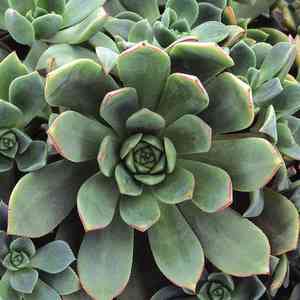
The most favorable period for relocating haworth's aeonium is from mid-spring to late spring, since the elevated temperatures encourage development. Choose a site with good drainage that receives partial sunlight. For enhanced rooting, utilize a substrate that is rich in nutrients and well-aerated.
Preparations Required Before Relocating Haworth's Aeonium
Optimal Period for Relocating Haworth's Aeonium?
The best time to move haworth's aeonium is from mid-spring to late spring. The mild weather during this period minimizes plant stress and promotes root development. Shifting haworth's aeonium then ensures it has ample time to adjust before summer. This careful relocation helps the plant thrive and flourish.
Recommended Spacing Between Haworth's Aeonium Plants?
When relocating haworth's aeonium, ensure each plant has sufficient room to expand by placing them approximately 18-24 inches (45-60 cm) apart. This guarantees adequate nutrient uptake and prevents overcrowding.
Ideal Soil Blend for Haworth's Aeonium Relocation?
For haworth's aeonium, it's crucial to prepare a well-draining soil mixture. Combine a premium potting mix with perlite or sand for enhanced drainage, preventing root rot. Before planting, incorporate a slow-release fertilizer for a nutrient-rich foundation.
Where to Replant Your Haworth's Aeonium?
Relocate your haworth's aeonium to a spot that receives abundant sunlight, ideally full sun to partial shade. Ensure the location gets at least 6 hours of daily sunlight for robust and healthy plant growth.
Equipment Needed Before Relocating Haworth's Aeonium?
Shovel or Spade
For excavating the plant from its original spot, or preparing a new planting hole.
Gardening Gloves
To safeguard your hands while digging and handling the plant.
Garden Shears
To trim any dead or dying foliage before or after the relocation.
Pail or Buckets
To move the haworth's aeonium from its initial position to the new site.
Moist Cloth
To keep the plant's roots damp during the relocation process.
Watering Can
To hydrate the plant following its relocation.
How to Extract Haworth's Aeonium from the Soil?
How to Extract Haworth's Aeonium from the Soil?
From Ground: Water the haworth's aeonium in its current location to loosen the soil. Using a shovel or spade, dig around the plant, maintaining a significant distance to avoid root damage. Work your spade beneath the plant and carefully lift it out, keeping as much of the root ball intact as possible.From Pot: Water the pot a few hours before relocation to soften the soil. Tilt the pot sideways, tap gently, and try to carefully pull out the plant. If the plant is root-bound, it might require more force or, in some cases, cutting the pot away.From Seedling Tray: Ensure the haworth's aeonium is well-hydrated. Using a spoon or a seedling transplanter, gently pry the seedling, along with its soil, out of the tray. Be careful not to disturb or harm the delicate roots.
Step-by-Step Guide for Relocating Haworth's Aeonium
Preparation
Put on gardening gloves to protect your hands. Select the haworth's aeonium to be moved and, using garden shears, trim any unhealthy parts of the plant.
Preparing Hole
Dig a hole at the new site using a shovel, ensuring it's deep and wide enough for the roots. Add some compost if necessary.
Relocation
Carefully place the haworth's aeonium in the hole, making sure it stands upright. Fill the hole with soil, ensuring the plant's roots are well covered but not too deep.
Securing the Plant
Lightly press the soil around the haworth's aeonium to stabilize it.
Hydrating
Immediately water the plant using a watering can, but avoid overwatering.
Post-Relocation Care for Haworth's Aeonium?
Pruning
Remove any yellow, wilting, or dead leaves from the haworth's aeonium to encourage new growth.
Watering
Initially, maintain a consistent watering schedule to aid plant establishment. Once settled, haworth's aeonium is drought-tolerant, and overwatering should be avoided.
Inspection
Regularly check the haworth's aeonium for any indications of pests or diseases. If detected, promptly apply appropriate plant treatment products.
Temperature
Haworth's aeonium can withstand cooler temperatures, but it's best to shield it from frost, which can harm the plant.
Re-positioning
If you observe the haworth's aeonium struggling in its new location (indicated by drooping or yellowing leaves, stunted growth), consider moving it again. These could be signs that the plant is not adapting well to its new environment.
Addressing Common Issues with Haworth's Aeonium Relocation.
When is the best time to relocate haworth's aeonium?
The optimal period to relocate haworth's aeonium is during mid-spring to late spring. This allows the plant to establish its root system before the hot summer months.
What spacing should I use for haworth's aeonium when relocating?
You should space haworth's aeonium approximately 18 to 24 inches (45-60 cm) apart. This ensures each plant has ample room to grow and spread.
What type of soil does haworth's aeonium prefer for relocation?
Haworth's aeonium thrives in well-draining soil with a high organic matter content. If needed, enrich your existing soil with compost or leaf mold.
How deep should I dig the hole when relocating haworth's aeonium?
The hole for haworth's aeonium should be deep enough to cover the root ball. A good guideline is about twice the size of the root ball.
How much water should I provide when relocating haworth's aeonium?
Give haworth's aeonium a moderate amount of water after relocation. Be careful not to waterlog the soil, as this can lead to root rot.
Can haworth's aeonium survive if I relocate it to a shaded area?
Haworth's aeonium prefers full sun to partial shade. If the area is too dark, the plant may not grow properly and could become leggy or weak.
Should I fertilize haworth's aeonium immediately after relocating?
It's advisable to wait 4-6 weeks after relocating haworth's aeonium before you begin fertilizing. This allows the roots to settle and recover from the shock of being moved.
How often should I water haworth's aeonium after relocating within the first month?
During the first month after relocating, water haworth's aeonium once or twice a week. However, be careful not to oversaturate the soil, as it could lead to root rot.
What should I do if haworth's aeonium leaves start to yellow after relocating?
Yellowing leaves could indicate overwatering or a nutrient deficiency. Reduce watering frequency and consider adding a slow-release fertilizer to the soil.
What is the best way to handle haworth's aeonium during relocation to prevent damage?
Handle haworth's aeonium by its root ball rather than its stem or leaves. This minimizes the risk of damaging the plant and aids in proper establishment after relocation.



