How to Transplant Ground elder?
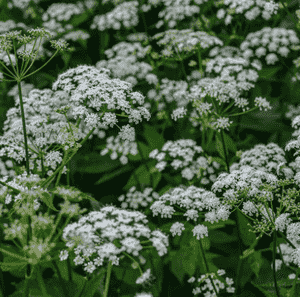
The ideal window for relocating ground elder spans from the middle of spring to the beginning of summer. This timeframe provides the most favorable environmental factors for the plant's development. When moving ground elder, select a spot that receives partial shade and features fertile, adequately draining earth. Should it be necessary, supply regular hydration throughout the initial settling phase to guarantee a prosperous transplantation.
What Preparations are Needed Before Transplanting Ground Elder?
What is the Ideal Time for Transplanting Ground Elder?
The optimal period for relocating ground elder spans from mid-spring to early summer. This timeframe promotes robust root development and vigorous growth, leading to a flourishing, lively plant for your enjoyment!
How Much Space Should You Leave Between Ground Elder Plants?
For ground elder, the recommended transplanting distance is 2-3 feet (60-90 cm) apart. This provides ample room for the plant to expand without competing with other garden flora.
What is the Best Soil Mix for Ground Elder Transplanting?
Prior to transplanting ground elder, amend the soil by incorporating well-draining loamy or sandy soil and some aged compost or organic matter as a foundational fertilizer. This supplies nutrients and aids in moisture retention.
Where Should You Relocate Your Ground Elder?
Select a site for ground elder that receives filtered sunlight or partial shade. Excessive direct sun can scorch its leaves, while insufficient light might encourage rampant spreading and weak development.
What Equipments Should You Prepare Before Transplantation Ground Elder?
Gardening Gloves
To safeguard your hands while handling soil and the ground elder plant.
Shovel or Spade
For excavating the ground elder plant from its initial spot and creating a planting cavity at the new location.
Trowel
To assist in transplanting young plants or smaller ground elder specimens with greater precision and control.
Watering Can or Hose
To hydrate the ground elder before and after its relocation.
Compost or Well-Rotted Manure
To blend with the soil during transplanting, providing nutrients and fostering healthy root growth.
Garden Fork
To aerate the soil in the planting area and aid in removing weeds and other intrusive plants.
Mulch
To help maintain soil moisture, inhibit weed growth, and regulate temperature post-transplant.
How Do You Remove Ground Elder from the Soil?
How Do You Remove Ground Elder from the Soil?
- From Ground:First, moisten the ground elder plant to dampen the soil. Then, excavate a wide trench around the plant using a shovel or spade, ensuring the plant's root ball remains intact. Carefully work the spade beneath the root ball to lift the plant from its original position.- From Pot:Thoroughly water the ground elder plant and its container before transplanting. Invert the pot on its side and gently tap to loosen the soil and root ball. Carefully slide the plant out of the pot while preserving the root ball.- From Seedling Tray:Ensure the ground elder seedlings are adequately watered before transplanting. Gently grasp the seedling leaves (not the stem) and use a trowel to lift the seedling from the tray, making sure the roots are undisturbed.
Step-by-Step Guide for Transplanting Ground Elder
Prepare the Plant
Hydrate the ground elder plant at its initial site to minimize stress and facilitate removal.
Prepare the Planting Area
Use a garden fork to loosen the soil and eliminate any weeds or invasive plants in the chosen spot, incorporating compost or well-rotted manure into the soil.
Create the Planting Hole
Dig a hole using a shovel or spade, slightly larger and deeper than the root ball.
Remove the Plant
Follow the removal procedure based on the ground elder's original location as detailed above.
Place the Plant
Lower the ground elder plant into the planting hole, ensuring it is at the same depth as it was previously. Confirm the root ball is fully covered and undisturbed.
Backfill the Hole
Refill the hole with the excavated soil, gently firming it around the root ball while avoiding compaction.
Water and Mulch
Thoroughly water the ground elder plant, allowing the soil to settle around the roots. Once the water has absorbed, encircle the plant with a layer of mulch, leaving a small gap around the stem or trunk to prevent rot.
How Do You Care For Ground Elder After Transplanting?
Watering
Maintain consistent moisture in the soil around the ground elder, avoiding sogginess, for the initial weeks post-transplant to encourage robust root establishment.
Weed Control
Regularly inspect the area surrounding the ground elder plant and eliminate any weeds before they become established.
Fertilizing
Wait 4-6 weeks after transplanting before applying any fertilizer to allow the ground elder plant to acclimate to its new environment.
Pest and Disease Monitoring
Frequently examine the ground elder plant for any indications of pests or diseases and address any issues promptly.
Pruning
Trim back any damaged or dead portions of the ground elder plant as necessary to maintain its health and stimulate new growth.
Troubleshooting Common Issues with Ground Elder Transplantation.
When is the best time to transplant ground elder?
The optimal period for transplanting ground elder is during mid-spring to early summer, when temperatures are moderate and favorable for growth.
What is the proper spacing for transplanting ground elder?
When relocating ground elder, position each plant 2-3 feet (60-90 cm) apart to ensure ideal growth and prevent overcrowding.
How much sunlight does ground elder need during transplanting?
Ground elder thrives in partial shade to full sun, so select a spot that provides at least 4-6 hours of daily sunlight.
What soil conditions are best for transplanting ground elder?
Ground elder flourishes in well-draining, fertile soil with a pH range of 6.0-7.5. Amend soil with organic matter if needed.
Should I water ground elder before transplanting?
Yes, thoroughly water the ground elder before transplanting to minimize transplant shock and facilitate its transition to the new location.
How deep should I plant ground elder during transplanting?
Excavate a hole slightly larger than the root ball, ensuring the plant is at the same depth as it was in its original container.
What should I do if there are weeds surrounding ground elder?
Remove any weeds in the planting area to reduce competition for water and nutrients, helping your ground elder establish more effectively.
Should I add fertilizer during the transplanting process for ground elder?
Incorporating a balanced, slow-release fertilizer during transplanting will supply nutrients and encourage robust root development for ground elder.
How often should I water ground elder after transplanting?
Water the ground elder regularly, keeping the soil consistently moist but not waterlogged during the initial weeks after transplanting.
What care should I provide to help ground elder establish after transplanting?
Monitor for pests, ensure consistent moisture, and apply a layer of mulch around the plant to conserve water and suppress weeds.



