How to Transplant Adenophora trachelioides?
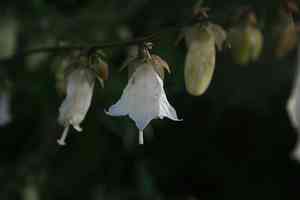
The most favorable window for relocating adenophora trachelioides is throughout the lively span from the beginning to the end of spring. This timeframe guarantees the plant becomes firmly rooted prior to the severe warmth of summer. To achieve superior outcomes, select a spot that receives full sun or partial shade and possesses soil that drains effectively.
Essential Preparations Before Relocating Adenophora Trachelioides?
Optimal Period for Relocating Adenophora Trachelioides?
The best time for moving adenophora trachelioides is from the beginning to the end of spring. This timeframe allows the perennial to develop strong roots before the summer heat. Relocating during this period minimizes stress and promotes vigorous growth, ensuring the plant thrives. Early spring also offers ample moisture, aiding root development and overall plant vitality.
Recommended Spacing Between Adenophora Trachelioides Specimens?
Ensure adenophora trachelioides are spaced 18-24 inches (45-60 cm) apart. This spacing facilitates adequate growth and air circulation.
Preferred Soil Blend for Adenophora Trachelioides Relocation?
For adenophora trachelioides, utilize well-draining soil enriched with organic compost. A balanced foundational fertilizer such as 10-10-10 (NPK) will support healthy development.
Optimal Site for Replanting Your Adenophora Trachelioides?
Place adenophora trachelioides in an area receiving full to partial sunlight. It flourishes best with at least 4-6 hours of daily sun exposure.
Necessary Equipment for Adenophora Trachelioides Relocation?
Gardening Gloves
To safeguard your hands while handling soil and the plant.
Shovel or Spade
For excavating around and lifting the plant from its initial spot.
Hand Trowel
For creating the planting cavity in the new location.
Watering Can or Hose
To adequately hydrate the plant before and after its transfer.
Wheelbarrow
Useful for transporting the plant if it is large.
Mulch
To assist in moisture retention and soil temperature regulation post-transplant.
Stakes and Ties
To offer support to the plant if required, especially for larger specimens.
Method for Extracting Adenophora Trachelioides from the Ground?
Method for Extracting Adenophora Trachelioides from the Ground?
From Ground: First, irrigate the adenophora trachelioides plant to moisten the soil. Next, excavate a wide trench around the plant using a shovel or spade, ensuring the plant's root ball remains intact. Carefully maneuver the spade beneath the root ball to lift the plant from its original position.From Pot: Hydrate the adenophora trachelioides plant thoroughly. Gently tilt the pot sideways and carefully slide the plant out, taking care not to harm the roots. You may lightly tap the pot if the plant is difficult to remove.From Seedling Tray: Water the seedling tray so the soil is damp. Use a small hand trowel or your fingers to carefully extract each adenophora trachelioides seedling, making sure to retain as much soil around the roots as possible.
Detailed Procedure for Relocating Adenophora Trachelioides
Prepare the Location
Ensure you have selected an appropriate site with the specified spacing, soil type, and sunlight requirements for adenophora trachelioides. Clear the area of weeds and debris.
Excavate the Hole
Using a hand trowel or spade, dig a hole that is twice the width of the root ball and equally deep. This allows the roots to spread comfortably.
Incorporate Compost or Soil Amendments
Mix some compost or organic matter into the soil at the base of the hole to supply additional nutrients for the plant.
Position the Plant
Place the adenophora trachelioides plant in the center of the hole. Ensure the top of the root ball is level with or slightly above the surrounding soil to prevent water accumulation around the stem.
Backfill the Hole
Refill the hole with soil, gently firming it around the roots to eliminate air pockets. Be careful not to over-compact the soil.
Water Thoroughly
Provide the newly relocated adenophora trachelioides plant with a good watering to help settle the soil and reduce transplant shock.
Mulch
Spread a layer of mulch around the base of the plant, keeping it a few inches away from the stem, to aid in moisture retention and soil temperature regulation.
Post-Relocation Care for Adenophora Trachelioides?
Watering
Keep the soil around the adenophora trachelioides consistently moist, but not waterlogged, for the initial weeks after relocation to help establish strong roots.
Monitoring
Regularly inspect the plant for indications of stress, such as wilting or yellowing leaves, and adjust irrigation as necessary.
Weeding
Maintain the area around the adenophora trachelioides free of weeds to minimize competition for nutrients and water.
Pest Protection
If you observe any pests, remove them manually or employ suitable organic pest control methods.
Staking if Required
If the adenophora trachelioides plant is tall or has a heavy top, use stakes and ties to provide support until it becomes established.
Resolving Common Issues with Adenophora Trachelioides Relocation.
When is the best time to relocate adenophora trachelioides?
Early to late spring is ideal, when the ground is workable and temperatures are mild.
What spacing should I maintain between adenophora trachelioides plants?
Space them 18-24 inches (45-60 cm) apart to allow for proper growth and air circulation.
What kind of soil is best for adenophora trachelioides?
Loamy, well-drained soil with a pH of 6.0 to 7.0 is optimal for adenophora trachelioides.
How do I prepare adenophora trachelioides for relocation?
Water thoroughly the day before and choose a cool, overcast day to minimize transplant shock.
What tools are necessary for relocating adenophora trachelioides?
A garden trowel, watering can, mulch, and a wheelbarrow if moving multiple plants.
How deep should I plant adenophora trachelioides?
Plant at the same depth they were growing previously to avoid stress on the roots.
How can I reduce transplant shock for adenophora trachelioides?
Water immediately after transplanting and keep the soil consistently moist but not waterlogged.
Should I fertilize during adenophora trachelioides relocation?
Use a starter fertilizer to aid root establishment but avoid high nitrogen fertilizers.
How should I handle adenophora trachelioides roots during transplant?
Be gentle with the roots, ensuring not to damage them while moving and planting.
How to care for adenophora trachelioides after relocation?
Maintain consistent watering, mulch to retain moisture, and monitor for pests and diseases.



