How to Transplant Baobab?
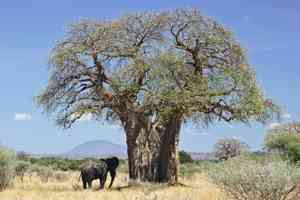
The optimal period for transplanting baobab is throughout its dormant winter phase, which encourages vigorous re-establishment. Verify that the new location replicates its native, sun-drenched environment. Gentle management of the root system during transfer is crucial for baobab's effective adaptation.
Essential Preparations Before Relocating Baobab?
When is the Best Time to Move Baobab?
The optimal period for relocating baobab is during winter, when the plant is inactive, thereby minimizing stress. Moving it during this dormant phase allows for better acclimation and fewer issues for baobab, as its energy reserves are preserved for vigorous spring growth. The cooler temperatures of this season also enable baobab's roots to gradually adjust to their new surroundings, enhancing stability and ensuring a stronger start when warmer weather arrives. By selecting this ideal time, you provide baobab with the highest chance of flourishing in its new spot.
How Much Clearance Should Be Maintained Between Baobab Plants?
Step 1: Allocate ample room for your baobab. You'll need at least 15-20 feet (4.5-6 meters) in every direction. This ensures your plant can develop without obstruction and maintain a healthy separation from other vegetation.
What is the Optimal Soil Blend for Baobab Relocation?
Step 2: baobab thrives in well-drained, sandy soil. Incorporate compost or organic matter to enrich the soil. For initial fertilization, use a general-purpose slow-release product, readily available at any garden center.
Where Should You Replant Your Baobab?
Step 3: Select a site for your baobab where it will receive abundant sunlight, ideally a location with full sun exposure for most of the day. However, be aware that it should also have some protection from intense afternoon sun.
What Tools Should You Prepare Before Transplanting Baobab?
Gardening Gloves
To safeguard your hands while handling soil and baobab.
Shovel or Spade
To assist in digging the necessary holes and trenches for relocating baobab.
Trowel
A smaller implement for more delicate excavation tasks around the roots of the baobab.
Gardening Fork
To loosen the soil surrounding the baobab, facilitating its extraction without harm.
Wheelbarrow
For transporting the baobab from its original spot to the new planting site.
Hose or Watering Can
To irrigate the baobab before and after its relocation.
Support stakes and plantation ties
To provide stability for the baobab in its new location.
How to Extract Baobab from the Soil?
How to Extract Baobab from the Soil?
From Ground: First, water the baobab plant to moisten the soil, making it easier to move. Dig a wide trench around the baobab using a shovel or spade, ensuring its root ball remains intact. Gradually work the spade beneath the root ball to gently lift the baobab plant from its original position.From Pot: If the baobab is in a container, tilt it sideways and gently tap the sides to loosen the root ball. Avoid pulling the plant as this can damage the roots. Carefully slide out baobab, preserving as much of the soil and root ball as possible.From Seedling Tray: If baobab is a seedling in a tray, water it first so the soil is damp and easier to manage. Gently push up from the bottom of the cell or use a small tool like a spoon to scoop it out, ensuring the roots and soil stay together as much as possible.
Step-by-Step Guide for Relocating Baobab
Transplant Preparation
Begin by submerging the root ball of the baobab in water for a few minutes prior to transplanting. This ensures the roots are adequately hydrated.
Dig Hole
In the new location, excavate a hole twice as wide and as deep as the baobab's root ball using your shovel or spade. The wide hole accommodates root expansion and allows for easy water penetration.
Plant Placement
Position the baobab in the hole, making sure the top of the root ball is level with the ground surface. Backfill the hole with soil, gently firming it around the base of the baobab.
Watering
After relocation, thoroughly water your baobab. The soil should be moist but not waterlogged.
Staking
For larger baobab that may require additional support, install support stakes around your transplanted plant and secure them using the plantation ties. This will help it maintain stability as it reestablishes itself in its new home.
Post-Transplant Care for Baobab
Monitoring
Observe the baobab plant daily for indications of stress, which may include drooping leaves or discoloration. These symptoms can signal a need for adjustments in care.
Maintenance
Regularly check the soil's moisture level. The baobab prefers consistent watering for optimal growth. Insufficient or excessive watering can harm the roots.
Stake Adjustment
Adjust the support stakes and ties as the baobab grows. They should not be too tight as this could damage the branches or trunk. The goal is to provide support, not hinder development.
Disease/Insect Check
Watch for any signs of disease or pest infestation, such as discolored or chewed leaves. Early detection and treatment will give your baobab the best chance of surviving and thriving after transplanting.
Addressing Common Issues with Baobab Relocation.
When is the best time to move my baobab?
For optimal outcomes, ensure you transplant your baobab during late spring to early summer, referred to as S10-S12. This promotes root establishment and plant recovery.
How much space is needed between baobab plants during relocation?
Baobab plants require a generous amount of room to develop. Maintain a conservative 15-20 feet (4.5-6 meters) spacing between them to reduce competition for resources.
What should be the depth of the hole for transplanting baobab?
The hole should be at least twice the size of the root ball. This provides ample space for the roots to spread, encouraging better growth for your baobab.
What soil type is suitable for baobab during transplanting?
Baobab is a resilient plant that thrives in well-draining, sandy or even rocky soils. Soil amendments might be considered if your soil is heavy clay or compacted.
Should I water baobab immediately after transplanting?
Yes, watering is recommended after transplanting. It helps settle the soil around the roots, reducing air pockets that could cause the roots to dry out.
Why are the leaves of my transplanted baobab turning yellow?
Yellowing leaves may indicate overwatering or poor drainage. Ensure your baobab is planted in well-draining soil and adjust your watering schedule accordingly.
Should I apply fertilizer immediately after transplanting baobab?
While baobab generally doesn't require much feeding, a light application of slow-release fertilizer can help your newly transplanted baobab establish itself more quickly in its new home.
Why is my baobab wilting after transplant?
Wilting is a common stress response to transplanting. Maintain consistent watering (avoid overwatering, however), and your baobab should gradually adapt to its new environment.
Why isn't my transplanted baobab growing?
Slow growth can be attributed to transplant shock, poor soil conditions, or incorrect watering. Remember, baobab requires well-draining soil and a sunny location for optimal growth.
Should I prune my baobab after transplanting?
It's not mandatory, but pruning does help the baobab to focus its energy on root development rather than foliage growth. Just remember to keep pruning to a minimum to avoid additional stress.



