How to Transplant Black cohosh?
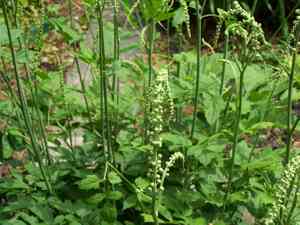
The optimal period for relocating black cohosh is from mid to late spring, since the elevated temperatures facilitate robust root development. Select a site offering partial shade and soil that drains effectively. Handle black cohosh with care during its transfer to prevent harm to its roots and guarantee a successful re-establishment.
What Preparations are Needed Before Transplanting Black Cohosh?
What is the Ideal Time for Transplanting Black Cohosh?
The optimal period to move black cohosh is from mid-spring through late spring. This timing allows black cohosh to develop strong roots before the summer heat arrives, giving it a good start. Transplanting during this window ensures healthy, vigorous growth with lush, green foliage that enhances your garden's appeal. Don't we all desire a vibrant garden space? So, consider this timeframe for a smooth transition and excellent growth of black cohosh.
How Much Space Should You Leave Between Black Cohosh Plants?
When transplanting black cohosh, ensure a spacing of approximately 10-18 inches (25-45 cm) between plants. This distance provides ample room for each plant to grow and flourish without competing for resources.
What is the Best Soil Mix for Black Cohosh Transplanting?
To prepare the soil for black cohosh, it's best to enrich it with compost or well-decomposed manure. This plant prefers soil with a slightly acidic to neutral pH (5.5-7.0) and good drainage. Incorporating a base fertilizer, such as a slow-release organic granular type, can also encourage healthy development.
Where Should You Relocate Your Black Cohosh?
When selecting a new spot for black cohosh, choose an area that receives partial to full shade. These plants do not thrive in direct sunlight all day, so it's crucial to find a location where they can get relief from the sun during the hottest parts of the day.
What Equipments Should You Prepare Before Transplantation Black Cohosh?
Gardening Gloves
To safeguard your hands while handling soil and plants.
Trowel
To excavate planting holes and remove the plant from its container or seedling tray.
Shovel or Spade
For digging a larger planting hole in the ground, and for lifting plants out of the ground.
Watering Can
To hydrate the black cohosh plant both prior to and following transplantation.
Pruner or Scissors
To trim any damaged roots or dead leaves.
Stakes and Twine (optional)
To offer support for tall and slender black cohosh plants, ensuring stability after transplanting.
How Do You Remove Black Cohosh from the Soil?
How Do You Remove Black Cohosh from the Soil?
From Ground: First, water the black cohosh plant to moisten the soil. Then, dig a wide trench around the plant using a shovel or spade, ensuring the plant's root ball remains intact. Carefully work the spade under the root ball to lift the plant from its original location.From Pot: Water the black cohosh plant and gently squeeze or twist the pot to loosen the soil. Then, carefully tip the pot upside down to remove the plant, holding onto the base of the plant and making sure the root ball remains intact.From Seedling Tray: Use a trowel to gently lift the black cohosh seedling from the tray, making sure to keep as much of the root system intact as possible.
Step-by-Step Guide for Transplanting Black Cohosh
Site Preparation
Prepare the new site by loosening the soil to a depth of at least 12 inches and ensuring proper drainage.
Digging The Hole
Excavate a planting hole that matches the depth of the root ball and is at least twice as wide. Loosen the soil at the bottom of the hole.
Placing The Plant
Gently lower the black cohosh plant into the hole, spreading its roots within the loosened soil. Ensure the plant's crown is level with the ground surface.
Filling The Hole
Backfill the hole with soil, gently firming it around the roots to eliminate air pockets. Be careful not to bury the plant's crown too deeply.
Watering
Thoroughly water the black cohosh plant to settle the soil and aid in root establishment. If needed, gently adjust the plant's position to ensure it remains upright and level.
Staking (optional)
For tall and slender black cohosh plants, provide support by placing stakes around the plant and tying them loosely with twine.
How Do You Care For Black Cohosh After Transplanting?
Watering
Water the black cohosh plant as necessary to maintain consistently moist, but not waterlogged, soil. Monitor the plant closely during the initial weeks, and adjust your watering schedule as required.
Pruning
Regularly inspect the plant and remove any dead or damaged growth to encourage healthy new development. Avoid extensive pruning during the first year after transplanting.
Mulching
Apply a layer of organic mulch around the base of the black cohosh plant to help retain moisture and regulate soil temperature. Keep the mulch a few inches away from the stem to prevent rot.
Monitoring
Watch for any indications of pest or disease issues, and take appropriate action as needed. Also, observe for signs of transplant stress, such as wilting or yellowing leaves, so you can modify your care routine if necessary.
Troubleshooting Common Issues with Black Cohosh Transplantation.
When is the perfect time to transplant black cohosh?
The ideal period for relocating black cohosh is from mid-spring to late spring.
What is the proper spacing for black cohosh when I transplant them?
When transplanting black cohosh, ensure ample spacing between each plant, approximately 10-18 inches (25-46 cm).
Is full sun a requirement for the successful transplantation of black cohosh?
Black cohosh thrives in partially shaded locations. Excessive sunlight might actually hinder its growth after transplantation.
How often should I water black cohosh after transplanting?
Water your black cohosh regularly, especially for the first few weeks after transplantation. However, avoid saturating the soil.
Should I use a specific type of soil when transplanting black cohosh?
Black cohosh flourishes in rich, well-drained soil. Enhance the transplantation site with compost or organic matter for optimal results.
What precautions should I take to protect black cohosh after transplantation?
Shield your black cohosh from harsh weather conditions like strong winds or frost. Consider using a plant shelter or covering.
What can I do if the leaves of black cohosh turn yellow after transplanting?
Yellow leaves can indicate overwatering or insufficient nutrients. Adjust the watering schedule and ensure black cohosh is receiving appropriate fertilization.
Do I have to prune black cohosh after transplanting?
Pruning is not necessary immediately after transplanting. Pruning in late winter or early spring would be sufficient.
How deep should the planting hole be when transplanting black cohosh?
Ideally, the hole should be twice the depth of the plant's root ball. Avoid planting it too deeply.
Do I need to mulch around black cohosh after transplanting?
Yes, a layer of mulch can help retain soil moisture, suppress weeds, and provide a tidy appearance.



