How to Transplant Spilanthes paniculata?
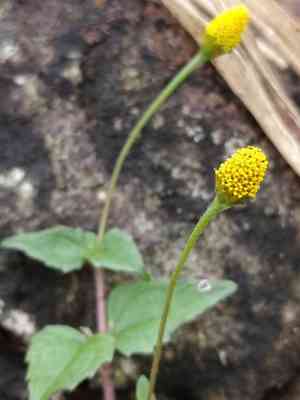
For best results, transplant spilanthes paniculata as spring transitions into early summer, providing consistent warmth for root development. Select a location that receives ample sunlight and has soil that drains effectively. Handle the plant with care to prevent any strain on its root system.
What Preparations are Needed Before Transplanting Spilanthes Paniculata?
What is the Ideal Time for Transplanting Spilanthes Paniculata?
The best time to move spilanthes paniculata is when late spring transitions into early summer. This period allows spilanthes paniculata roots to establish in favorable growing conditions, boosting their strength and development. Transplanting during this window harnesses the season's warmth, encouraging vigorous growth. Mild temperatures and stable weather aid spilanthes paniculata's smooth transition, enhancing vitality and bloom potential. A helpful tip: utilize this prime time to give your spilanthes paniculata the best possible start!
How Much Space Should You Leave Between Spilanthes Paniculata Plants?
Greetings, aspiring gardener! Before placing spilanthes paniculata in their new spot, ensure they have ample room to thrive. Aim for a spacing of approximately 15-18 inches (38-45 cm). This will provide each plant sufficient area to grow lush and full without becoming overcrowded.
What is the Best Soil Mix for Spilanthes Paniculata Transplanting?
For spilanthes paniculata, you'll want to prepare the ground with rich, well-draining soil. Incorporating organic compost as a foundational fertilizer will give your plants an excellent start. Strive for a pH that is close to neutral; a small testing kit from your local garden center can help confirm you're on target!
Where Should You Relocate Your Spilanthes Paniculata?
Now, let's discuss sunlight! These vibrant plants adore a sunny location. Choose a spot where spilanthes paniculata will receive full sunlight for at least 6 hours daily. This will help your plants remain robust and produce abundant blooms. Happy gardening!
What Equipments Should You Prepare Before Transplantation Spilanthes Paniculata?
Gardening Gloves
To safeguard your hands while handling soil and plants.
Trowel
For digging small holes or channels to extract the spilanthes paniculata from its original position.
Shovel or Spade
To be used for moving spilanthes paniculata from the ground and to excavate the new site where spilanthes paniculata will be planted.
Pruning Shears
To trim any damaged roots or excess foliage prior to transplanting.
Watering Can or Hose
To hydrate the spilanthes paniculata before removal and after planting it into the ground.
Wheelbarrow
To transport soil and spilanthes paniculata if necessary.
Plant Supports/Stakes
In case spilanthes paniculata requires support after transplanting.
How Do You Remove Spilanthes Paniculata from the Soil?
How Do You Remove Spilanthes Paniculata from the Soil?
From Ground: First, water the spilanthes paniculata plant to moisten the soil. Then, dig a wide trench around the plant using a shovel or spade, ensuring the plant's root ball stays intact. Carefully work the spade beneath the root ball to lift the plant from its initial location.From Pot: Turn the pot on its side and hold the spilanthes paniculata at the base, then gently tap the bottom of the pot or apply slight pressure around the pot to loosen the soil. Carefully ease the plant out while keeping the main root ball undisturbed.From Seedling Tray: Water the seedlings gently to make the soil damp. Using a trowel or hand, carefully loosen the soil around the seedling. Gently grasp the base of the spilanthes paniculata stem and lift the seedling out, ensuring you keep the root ball intact.
Step-by-Step Guide for Transplanting Spilanthes Paniculata
Preparation
Gather all necessary tools and ensure your new planting area is ready.
Removal
Follow the removal procedure for spilanthes paniculata based on its current location, whether from the ground, a pot, or a seedling tray.
Transplant Hole
Dig a hole in the planting area that is twice as wide as the spilanthes paniculata's root ball and the same depth to avoid planting the plant too deeply.
Plant Positioning
Gently place the spilanthes paniculata in the center of the hole. Ensure that the plant is positioned at the same level it was growing in its original spot.
Fill In
Backfill the hole with soil, gently pressing down around the roots to eliminate air pockets without compacting the soil too densely.
Support
If your spilanthes paniculata requires it, insert plant supports/stakes into the ground now.
Watering
Water the spilanthes paniculata thoroughly immediately after planting to settle the soil and aid root contact.
How Do You Care For Spilanthes Paniculata After Transplanting?
Initial Watering
Keep the soil around the spilanthes paniculata consistently moist in the first few weeks without making it soggy to help the roots establish.
Mulching
Apply a layer of mulch around the base of spilanthes paniculata to help retain soil moisture and regulate soil temperature.
Checking Stakes
Regularly inspect stakes or supports to ensure they are secure and not harming the spilanthes paniculata.
Pruning
Remove any damaged or yellowing leaves to direct the spilanthes paniculata's energy towards developing healthy roots and new growth.
Troubleshooting Common Issues with Spilanthes Paniculata Transplantation.
What's the ideal timing to relocate spilanthes paniculata plants?
Move spilanthes paniculata during the prime growing season, late spring to early summer, for best establishment.
How far apart should I space spilanthes paniculata when transplanting?
Allow each spilanthes paniculata ample room by spacing them approximately 15-18 inches (38-45 cm) apart.
Should I water spilanthes paniculata immediately after transplanting?
Absolutely! Water generously right after transplanting to help spilanthes paniculata settle and reduce shock.
What type of soil is best for transplanting spilanthes paniculata?
Utilize well-draining soil rich in organic matter to provide spilanthes paniculata with the nutrients it needs.
How can I tell if spilanthes paniculata has transplant shock?
Signs include wilted or discolored leaves. Keep soil moist and avoid direct sun until spilanthes paniculata recovers.
Can spilanthes paniculata handle full sun after transplanting?
Gradually introduce spilanthes paniculata to full sun over a week post-transplant to prevent stress and leaf burn.
What's the key to successful spilanthes paniculata transplantation?
Minimizing root disturbance and proper soil preparation are crucial for successful spilanthes paniculata transplanting.
How deep should the planting hole be for spilanthes paniculata?
Dig a hole twice as wide and just as deep as spilanthes paniculata's root ball for an ideal fit.
Is it necessary to add fertilizer when transplanting spilanthes paniculata?
Incorporate a balanced, slow-release fertilizer at transplant to give spilanthes paniculata a nutrient boost for growth.
What should I do if spilanthes paniculata doesn't seem to grow post-transplant?
Be patient as spilanthes paniculata may take time to adjust. Ensure adequate water, light, and regularly check for pests.



