How to Transplant Noble yarrow?
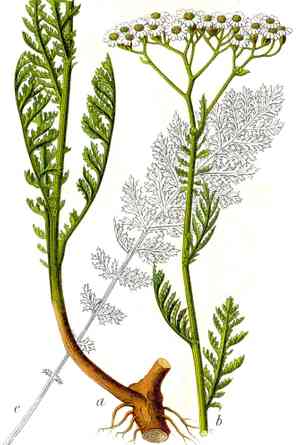
It is most favorable to transplant noble yarrow from the onset of early spring until the peak of late spring, as this period offers a combination of warming ground and mild atmospheric conditions. Select a location that receives ample sunlight and possesses soil with good drainage to foster vigorous development.
Essential Preparations Before Relocating Noble Yarrow
Optimal Period for Transplanting Noble Yarrow
The best time to establish noble yarrow in your garden spans from the onset of spring through early summer. This timeframe offers cool, damp soil conditions that noble yarrow roots favor for establishment. Moving noble yarrow during this window fosters strong root development before intense summer heat, ensuring a robust plant capable of enduring seasonal challenges. Embrace this season for a thriving noble yarrow that will reward you with its resilience and charming blooms.
Recommended Spacing Between Noble Yarrow Plants
When relocating noble yarrow, provide ample room for each plant to flourish. Position them approximately 12-18 inches (30-45 cm) apart. This spacing allows your plants the necessary room for healthy, full growth!
Ideal Soil Mixture for Noble Yarrow Transplantation
Prepare a welcoming environment for your noble yarrow! They prefer well-draining soil enriched with some compost. Prior to planting, incorporate a balanced, slow-release fertilizer to give them a strong start in their new spot.
Optimal Location for Relocating Your Noble Yarrow
Select a sunny location in your garden for noble yarrow, as they thrive in the full warmth of direct sunlight. This will encourage vigorous growth and enhance your garden with their vibrant presence!
Equipment Needed Before Transplanting Noble Yarrow
Gardening Gloves
To safeguard your hands while handling soil and plants.
Hand Trowel
For digging around the plant to extract it from its original spot.
Garden Spade or Shovel
To excavate the hole in the ground where noble yarrow will be replanted.
Pruning Shears
To trim any dead or damaged roots and stems.
Watering Can or Hose
For hydrating noble yarrow before and after the relocation process.
Wheelbarrow
To transport noble yarrow and soil if necessary.
Method for Extracting Noble Yarrow from the Soil
Method for Extracting Noble Yarrow from the Soil
From Ground: Hydrate noble yarrow to moisten the soil, facilitating plant removal. Then, use a shovel or spade to dig a wide circle around noble yarrow, ensuring the root ball remains intact. Slide the shovel beneath the root ball to gently lift the plant from its position.From Pot: Begin by thoroughly watering the noble yarrow. Invert the pot and gently tap it to dislodge the roots from the pot's sides. Carefully slide noble yarrow out of the pot, preserving the root ball.From Seedling Tray: Water the seedling to ensure the soil is damp. Use a hand trowel or your fingers to carefully separate individual noble yarrow seedlings, striving to keep as much soil around the roots as possible.
Detailed Guide for Transplanting Noble Yarrow
Excavating the Hole
Utilize a garden spade or shovel to dig a hole that is twice as wide and the same depth as the root ball of noble yarrow.
Preparing the Plant
Inspect noble yarrow's root ball. Use pruning shears to snip off any damaged roots or leaves.
Positioning the Plant
Place noble yarrow in the center of the hole. The top of the root ball should be level with the surrounding soil surface.
Backfilling the Hole
Gently fill in around noble yarrow with soil. Firm the soil around the plant with your hands to eliminate air pockets.
Watering
Water noble yarrow generously immediately after planting to settle the soil around the roots.
Post-Transplantation Care for Noble Yarrow
Consistent Watering
Water noble yarrow deeply and regularly during its establishment phase, but be careful not to overwater.
Mulching
Apply a layer of mulch around noble yarrow to help retain soil moisture and regulate soil temperature.
Monitoring Plant Health
Observe noble yarrow for signs of stress such as wilting or discoloration and address issues promptly.
Support Structures
If noble yarrow grows tall or is exposed to strong winds, consider adding a stake or support to keep it upright.
Resolving Common Issues with Noble Yarrow Transplantation.
When is the optimal time to transplant noble yarrow?
Ideally, move noble yarrow during its peak growth period, from early to late spring.
What spacing should I use for noble yarrow when transplanting?
Allow a gap of approximately 12-18 inches (30-45 cm) between each noble yarrow to ensure proper development.
Why is my noble yarrow wilting after transplanting?
Wilting may be due to transplant shock. Ensure minimal root disturbance and consistent hydration.
How deep should the hole be for transplanting noble yarrow?
Dig a hole as deep as the root ball and twice as wide to promote growth.
Can I transplant noble yarrow on a hot day?
Relocate noble yarrow on a cooler, overcast day to minimize transplant shock and water stress.
How do I prepare noble yarrow's roots for transplanting?
Gently untangle the roots and trim any broken ones before transplanting noble yarrow.
Should I fertilize noble yarrow immediately after transplanting?
Wait a few weeks before fertilizing to allow noble yarrow to establish itself in its new location.
How much should I water noble yarrow after transplanting?
Water thoroughly after transplanting, then regularly to keep the soil moist but not waterlogged.
What should I do if noble yarrow doesn't flower after transplanting?
Be patient; it may take time for noble yarrow to recover and bloom after the stress of relocation.
How to protect noble yarrow after transplanting during unexpected frost?
Cover noble yarrow with frost cloth or mulch to insulate and shield it from sudden cold snaps.



