How to Transplant Common yarrow?
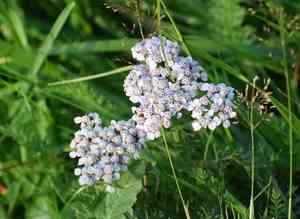
The most favorable period for relocating common yarrow is from mid-spring through early summer. This timing offers the plant an ideal cultivation setting, enabling it to develop its root system prior to the onset of intense summer temperatures. Position common yarrow in a location bathed in sunlight, featuring soil that drains effectively. Handle the roots with care during the transfer process to avoid harm.
What Preparations are Needed Before Transplanting Common Yarrow?
What is the Ideal Time for Transplanting Common Yarrow?
The optimal period to relocate common yarrow is during the peak of mid-spring to early summer. This timeframe promotes robust development, leading to a flourishing and vibrant garden.
How Much Space Should You Leave Between Common Yarrow Plants?
For a thriving and healthy common yarrow, provide a comfortable distance of 1-2 feet (30-60 cm) between plants when moving them. This ensures ample room for growth and prosperity!
What is the Best Soil Mix for Common Yarrow Transplanting?
Prepare the ground with a well-draining mixture, such as a loamy or sandy blend, that is slightly acidic to neutral (pH 6.0-7.0). Enhance the soil with a light application of a balanced organic fertilizer to supply essential nutrients.
Where Should You Relocate Your Common Yarrow?
Choose a spot with full sun to partial shade for your common yarrow to develop strongly and beautifully. Ensure it receives at least 6 hours of daily sunlight to maximize its growth potential and support its vivid blooms.
What Equipments Should You Prepare Before Transplantation Common Yarrow?
Gardening Gloves
To safeguard your hands while handling soil and plants.
Shovel or Spade
To excavate holes for relocation and to extract the plant from its initial spot.
Garden Trowel
For precise digging and planting during the transplanting process.
Pruning Shears
To trim any damaged or unnecessary parts of the plant prior to moving it.
Watering Can
For hydrating the common yarrow before and after its relocation.
Mulch
To aid in moisture retention and temperature regulation around the planting area.
How Do You Remove Common Yarrow from the Soil?
How Do You Remove Common Yarrow from the Soil?
- From Ground:First, moisten the common yarrow plant to dampen the soil. Then, dig a wide trench around the plant using a shovel or spade, ensuring the plant's root ball remains intact. Carefully work the spade beneath the root ball to lift the plant from its original location.- From Pot:Thoroughly water the plant and allow excess water to drain. Hold the pot on its side and gently tap or squeeze it while supporting the plant with your other hand. Slide the plant out of the pot, keeping the root ball undisturbed.- From Seedling Tray:Water the seedling tray before attempting to extract any common yarrow plants. Use a garden trowel or your fingers to carefully lift the seedlings by the root ball, avoiding any damage to the roots.
Step-by-Step Guide for Transplanting Common Yarrow
Digging Holes
In the selected planting area, excavate holes for each common yarrow plant, making them twice the width and as deep as the root ball. Space the holes at least 18 inches apart to allow for ample growth and good air circulation.
Preparing the Plant
Trim any damaged or superfluous parts of the common yarrow plant using pruning shears. Loosen the soil around the root ball by gently massaging the roots before placing it in the hole.
Placing the Plant
Carefully position the common yarrow plant in the hole, ensuring the top of the root ball is level with the surrounding soil. If needed, add or remove soil to achieve the correct planting depth.
Filling the Hole
Backfill the hole with soil, being careful not to bury the crown (the junction where the stem and roots meet) of the plant. Gently firm the soil around the base of the plant without compacting it too much.
Watering
Thoroughly water the common yarrow plant after transplanting, ensuring the soil is uniformly moist but not waterlogged.
Mulching
Apply a layer of mulch around the base of the plant to help retain moisture, regulate temperatures, and suppress weeds.
How Do You Care For Common Yarrow After Transplanting?
Watering
Keep the soil around the common yarrow consistently moist, but not saturated, for the initial few weeks post-transplant to aid in establishing strong roots.
Pruning
Regularly prune the common yarrow plant to maintain a healthy and appealing shape, and to encourage branching and more blooms. Remove dead, damaged, or diseased stems as necessary.
Fertilizing
Apply a balanced, slow-release fertilizer once or twice during the growing season to promote vigorous growth and abundant flowering, but avoid over-fertilizing to prevent excessive leafy growth at the expense of flowers.
Pest Management
Monitor the common yarrow plant for pests, such as aphids or powdery mildew. Use appropriate pest control methods, such as insecticidal soap or fungicides, following label instructions carefully.
Troubleshooting Common Issues with Common Yarrow Transplantation.
When is the best time to transplant common yarrow?
The ideal season for relocating common yarrow is from mid-spring to early summer, when the weather is mild.
What is the preferred spacing for transplanting common yarrow?
Allow common yarrow ample room to grow by maintaining a distance of 1-2 feet (30-60 cm) between each plant.
How deep should I dig the hole for transplanting common yarrow?
Excavate a hole that's twice as wide and equally deep as the root ball of your common yarrow plant.
What type of soil does common yarrow need for successful transplanting?
Common yarrow thrives in well-draining, fertile soil with a pH between 5.5 and 7.0 for successful relocation.
How should I prepare the planting site for common yarrow?
Before transplanting, loosen the soil in the planting area and enrich it with compost or well-rotted manure.
During transplanting, how should I handle the roots of my common yarrow?
Gently separate the roots to encourage outward growth. Be careful not to harm or break them.
How should I water common yarrow after transplanting?
Water common yarrow thoroughly immediately after transplanting. Then, keep the soil uniformly moist, not waterlogged.
What type of sunlight exposure does common yarrow need after transplant?
Common yarrow requires full sun exposure for optimal growth. Choose a location receiving 6-8 hours of sun daily.
How do I protect transplanted common yarrow from pests and diseases?
Prevent pests and diseases by regularly inspecting your common yarrow, spacing them correctly, and ensuring good air circulation.
How soon should I expect growth after transplanting common yarrow?
After relocating common yarrow, you should observe new growth within a few weeks. Be patient and allow it time.



