How to Transplant Silvery yarrow?
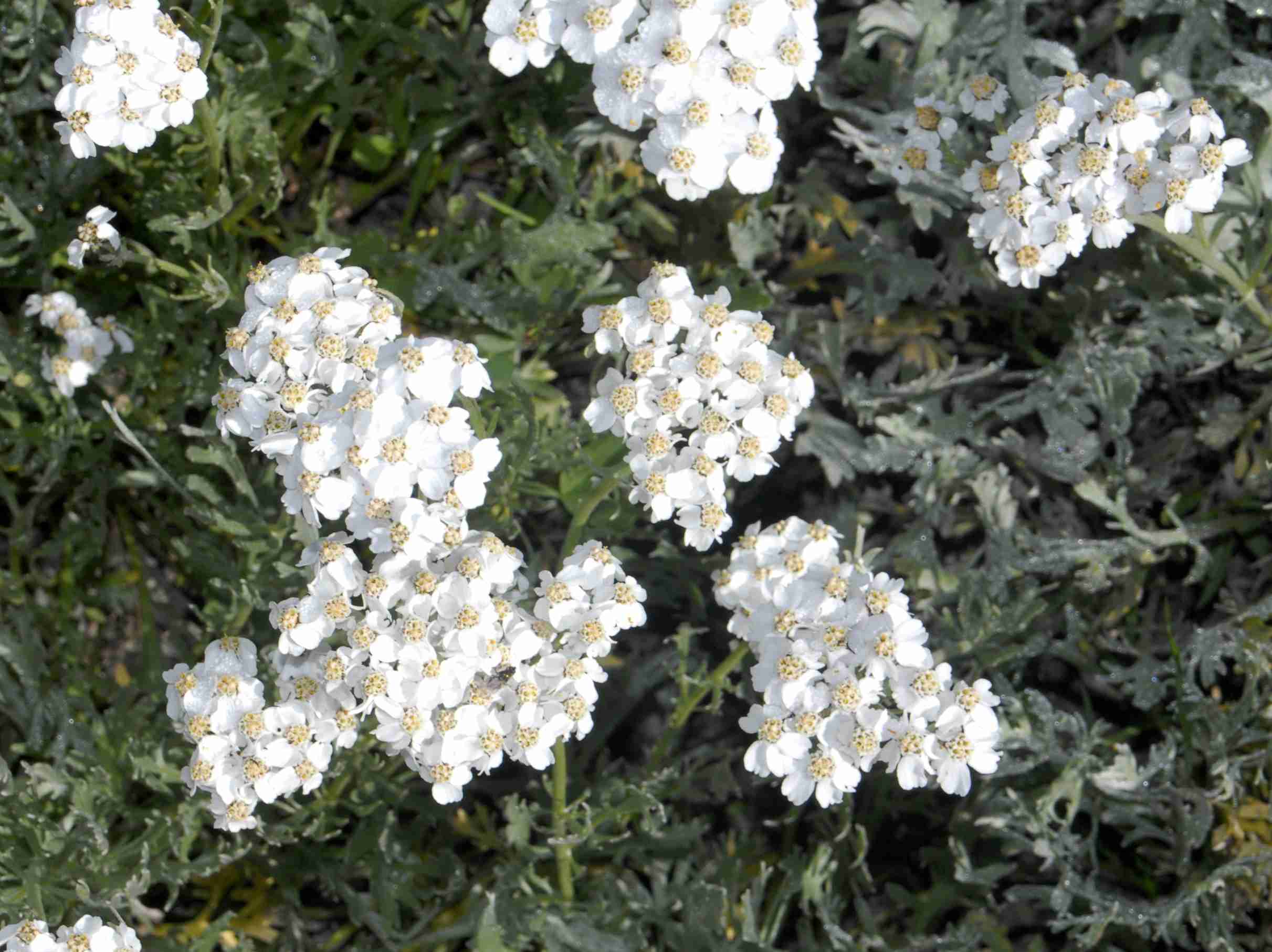
Relocate silvery yarrow once winter's cold recedes and new life emerges, typically during the increasing warmth of early to mid-spring. Select a bright location featuring soil that drains effectively to foster robust growth. Careful manipulation is crucial for preserving the root system's soundness.
What Preparations are Needed Before Transplanting Silvery Yarrow?
What is the Ideal Time for Transplanting Silvery Yarrow?
The optimal period to relocate silvery yarrow is during the pleasant days of early to mid-spring. This season's mild temperatures and moist earth create perfect conditions for root establishment, while the approaching warm months promise robust development. Moving silvery yarrow in spring leverages the increased daylight and gentle weather, giving the plant ample time to adapt and thrive before the rigors of summer heat or winter cold. This strategic timing aligns with silvery yarrow's natural growth cycle, fostering strong development and blooming.
How Much Space Should You Leave Between Silvery Yarrow Plants?
When you're ready to introduce your silvery yarrow to their new location, provide them with sufficient room! Position them 18-24 inches (45-60 cm) apart. This enables each plant to flourish and access abundant nutrients without competing with its neighbors.
What is the Best Soil Mix for Silvery Yarrow Transplanting?
Your silvery yarrow will thrive in soil that drains effectively. Let's prepare a comfortable bed by incorporating some organic compost. For an initial boost, lightly sprinkle a balanced fertilizer, such as a 10-10-10, over the soil. Then, gently mix it into the top layer. Your silvery yarrow will be grateful!
Where Should You Relocate Your Silvery Yarrow?
Sunlight is a cherished companion of silvery yarrow, so select a bright location where they can enjoy at least 6 hours of direct sun daily. A south-facing spot that receives plenty of that glorious light will make your silvery yarrow most content!
What Equipments Should You Prepare Before Transplantation Silvery Yarrow?
Gardening Gloves
To safeguard your hands while handling soil and plants.
Shovel or Spade
For excavating the plant and the new planting site.
Garden Trowel
Useful for minor adjustments and more precise digging tasks.
Garden Fork
Helps to loosen and aerate the soil surrounding the root ball.
Watering Can or Hose
To hydrate the plant before and after its relocation.
Wheelbarrow or Garden Cart
For transporting the silvery yarrow if necessary.
Secateurs or Pruning Shears
To trim any dead or excessive plant parts.
Mulch
To aid in moisture retention and deter weed growth post-planting.
Measuring Tape
For accurately spacing plants.
How Do You Remove Silvery Yarrow from the Soil?
How Do You Remove Silvery Yarrow from the Soil?
From Ground: First, water the silvery yarrow plant to moisten the soil. Then, excavate a wide trench around the plant using a shovel or spade, ensuring the plant's root ball remains intact. Carefully work the spade beneath the root ball to lift the plant from its original position.From Pot: Water the silvery yarrow in its current container to facilitate removal, and gently tap the pot's sides to loosen the soil. Invert the pot and guide the plant out by holding the stem's base, being careful not to pull on the plant itself.From Seedling Tray: Water the tray to make the soil damp, then use a garden trowel or your fingers to gently lift the silvery yarrow by holding the leaves and not the stem. Ensure to retain as much soil around the roots as possible.
Step-by-Step Guide for Transplanting Silvery Yarrow
Transplant Timing
Select a cloudy day or late afternoon to minimize stress on the silvery yarrow.
Digging Hole
Excavate a hole that is twice as wide and equally deep as the root ball of the silvery yarrow.
Preparing Plant
Before transplanting, thoroughly water the silvery yarrow to ensure its roots are well hydrated.
Placing Plant
Position the silvery yarrow in the center of the new hole at the same depth it was previously growing.
Filling Hole
Backfill the hole with soil, gently firming it around the roots of the silvery yarrow.
Watering
Water the silvery yarrow deeply to settle the soil and eliminate any air pockets.
Mulching
Apply a layer of mulch around the base of the silvery yarrow, keeping it away from the stem to prevent rot.
How Do You Care For Silvery Yarrow After Transplanting?
Watering
Maintain consistent moisture in the soil around the silvery yarrow for the initial weeks following transplanting.
Pruning
Trim any broken or damaged stems after transplanting to encourage new growth.
Monitoring
Regularly check for indications of transplant shock, such as wilting or yellowing, and respond appropriately.
Supportive Staking
If the silvery yarrow is tall or in a windy location, use stakes to support it until its roots become established.
Maintenance
Remove weeds surrounding the silvery yarrow to reduce competition for nutrients and water.
Troubleshooting Common Issues with Silvery Yarrow Transplantation.
What's the best time to transplant silvery yarrow?
Transplant silvery yarrow during the refreshing period of early to late spring, when growth is most promising.
How far apart should I space silvery yarrow when transplanting?
Allow each silvery yarrow ample room to thrive by spacing them 18-24 inches (45-60 cm) apart.
What should I do if silvery yarrow wilts after transplanting?
Ensure silvery yarrow remains hydrated; a gentle drink of water can help it recover. Check soil moisture regularly.
How deep should I plant silvery yarrow?
Place silvery yarrow into a hole as deep as its root ball, allowing roots to spread comfortably.
Can silvery yarrow be transplanted on a hot day?
Avoid stress by transplanting silvery yarrow on cooler, cloudier days to prevent wilting and dehydration.
What soil type is best for transplanting silvery yarrow?
Choose well-draining soil, enriching it if necessary, to provide a welcoming environment for silvery yarrow's roots.
How much should I water silvery yarrow post-transplant?
After transplanting, water silvery yarrow thoroughly, then establish a regular watering routine as the plant settles.
Should I fertilize silvery yarrow after transplanting?
Wait until silvery yarrow has acclimated to its new spot; after a few weeks, consider a mild fertilizer.
Why are my transplanted silvery yarrow's leaves turning yellow?
Yellowing can indicate overwatering or inadequate drainage. Ensure the soil is moist but not waterlogged.
Can I transplant silvery yarrow near other plants?
Certainly, but respect silvery yarrow's personal space with appropriate spacing to prevent overcrowding and competition.


