How to Transplant Red maple?
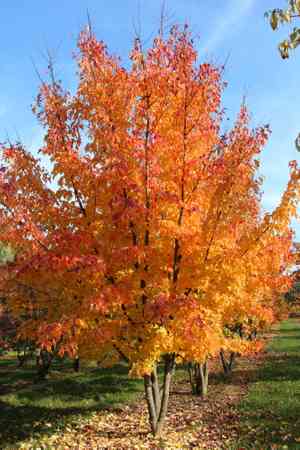
The optimal period for relocating red maple spans from late spring through mid-summer, as this allows the plant to rapidly establish itself. Select a site featuring adequately draining soil and exposure to either partial or full sunlight. Supply ample hydration during the initial weeks to guarantee a successful transfer, and observe your red maple thrive splendidly.
What Preparations are Needed Before Transplanting Red Maple?
What is the Ideal Time for Transplanting Red Maple?
The best period for relocating red maple is late spring through mid-summer, allowing ample time for root establishment prior to winter. Moving it during this window promotes optimal development and a healthier plant for years ahead.
How Much Space Should You Leave Between Red Maple Plants?
When moving red maple, ensure a separation of approximately 25-45 feet (7.6-13.7 meters) between them. This guarantees sufficient room for their growth and root expansion without nutrient competition.
What is the Best Soil Mix for Red Maple Transplanting?
For red maple, utilize well-draining soil with a slightly acidic pH (between 4.5 and 7.0). Incorporate organic matter like compost or aged manure to enrich the soil, and apply a balanced, slow-release fertilizer for essential nutrients.
Where Should You Relocate Your Red Maple?
Select a spot for red maple that receives full sun to partial shade. About 4-6 hours of direct sunlight daily will help your plant flourish and become a beautiful addition to your garden.
What Equipments Should You Prepare Before Transplantation Red Maple?
Gardening Gloves
To safeguard your hands while handling soil and the red maple plant.
Shovel or Spade
For excavating the hole and extracting the red maple from its initial spot.
Pruning Shears
Used for trimming any damaged or crossing roots.
Wheelbarrow or Plant Carrier
To move the red maple to its new location.
Watering Can
For hydrating the red maple during the transplanting process and subsequent care.
Trowel
To make adjustments to the planting hole and backfill it.
Stakes and Ties (optional)
To offer support to young red maple plants in windy environments.
How Do You Remove Red Maple from the Soil?
How Do You Remove Red Maple from the Soil?
- From Ground:First, moisten the red maple plant to dampen the soil. Then, dig a wide trench around the plant with a shovel or spade, ensuring the plant's root ball stays intact. Carefully work the spade beneath the root ball to lift the plant from its original position.- From Pot:Thoroughly water the potted red maple before transplanting. Gently tilt the pot sideways and slide the plant out, being careful not to harm the root ball. If the plant is stuck, firmly tap the bottom and sides of the pot to loosen the root ball.- From Seedling Tray:Using a narrow trowel or your fingers, carefully extract the red maple seedlings from the tray. Try to keep as much soil around the roots as possible.
Step-by-Step Guide for Transplanting Red Maple
Preparation
Once the red maple is removed from its original spot, trim any damaged or crossing roots using pruning shears.
Digging the Hole
Excavate a hole in the desired planting area, making it twice as wide as the root ball and equally deep. Break up any compacted soil at the bottom of the hole to aid root growth.
Positioning the Plant
Carefully place the red maple in the center of the hole, ensuring the top of the root ball is level with the surrounding soil.
Backfilling
Fill the hole halfway with soil, gently firming it down with your hands or the back of a shovel. Water the red maple to help settle the soil, then fill the hole with the remaining soil and tamp down gently.
Watering
Give the red maple a thorough watering to help establish roots and eliminate any air pockets. If desired, create a circular berm of soil around the plant to help retain water.
Support (optional)
If the red maple is young or in a windy location, consider providing support with stakes and ties for the first year or two.
How Do You Care For Red Maple After Transplanting?
Watering
Keep the soil around the red maple plant consistently moist, but not waterlogged, for the initial few weeks post-transplant to help establish strong roots.
Monitoring
Observe your red maple for indications of stress, such as wilting or yellowing leaves. Address any issues promptly by adjusting watering, providing shade, or adding mulch.
Pruning
Wait until the red maple is fully established (about 1-2 years) before pruning for shape or size. In the interim, only remove any dead, damaged, or diseased branches.
Protection
Place a protective barrier, such as a wire mesh, around the base of the red maple to prevent damage from wildlife or lawn equipment.
Troubleshooting Common Issues with Red Maple Transplantation.
What is the best time to transplant red maple?
The ideal season for relocating red maple is late spring to midsummer, ensuring optimal growth and survival.
What spacing should I maintain between red maple plants?
Aim for a distance of 25-45 feet (7.6-13.7 meters) between red maple plants to provide ample room for growth.
How much should I water red maple after transplanting?
Water red maple thoroughly immediately after transplanting, then continue to provide 1-2 inches (2.5-5 cm) of water weekly.
What type of soil is best for transplanting red maple?
Red maple prefers well-drained, moist, slightly acidic soil. Sandy loam or clay loam soil is ideal.
How should I prepare the transplant site for red maple?
Clear the area of weeds and debris, dig a hole 2-3 times wider than the root ball, and loosen the soil.
Should I prune red maple before transplanting?
Yes, trim any dead, broken, or crossing branches, but avoid excessive pruning to minimize stress on the plant.
How deep should I plant red maple to ensure proper root growth?
Plant red maple at the same depth as it was in the previous container, with the root flare slightly above the soil.
How can I protect the roots of red maple during transport?
Wrap the roots in a moist cloth or burlap to retain moisture and protect them from drying or damage.
When should I fertilize red maple after transplanting?
Delay fertilizing red maple until the next growing season to avoid stressing the plant further during transplanting.
What can I do if my red maple shows signs of transplant shock?
Keep the plant well-watered, provide partial shade if necessary, and prune any dead branches to aid its recovery.



