How to Transplant Sycamore?
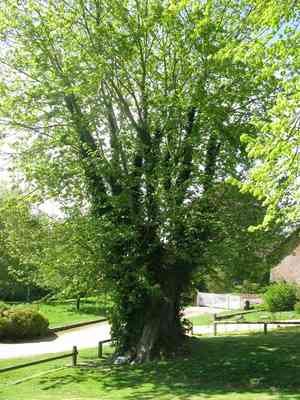
The most favorable period for transplanting sycamore is from early to mid-spring, allowing for a smooth seasonal adjustment that aids root development. Choose a location that receives abundant sunlight or some shade, making sure the soil drains effectively to accommodate sycamore. A helpful suggestion is that sufficient irrigation after transplanting encourages recuperation.
What Preparations are Needed Before Transplanting Sycamore?
What is the Ideal Time for Transplanting Sycamore?
Choose the revitalizing period of early to mid-spring for sycamore relocation. This aligns with sycamore's natural growth cycle, promoting strong root development and smooth adaptation. Moving sycamore during this timeframe prepares it for vigorous growth, as mild temperatures and increasing daylight create an optimal environment for root establishment before summer's heat arrives.
How Much Space Should You Leave Between Sycamore Plants?
For sycamore, you'll want to allocate a generous amount of room. An optimal distance to space your plants is approximately 20-30 feet (6-9 meters). This spacing allows each plant to acquire ample nutrients and water from the soil, and to flourish without competition.
What is the Best Soil Mix for Sycamore Transplanting?
Remember, sycamore prefers well-drained, fertile soil, potentially loam or clay. Enrich your earth with a foundational fertilizer rich in nitrogen and phosphorus to jumpstart growth. Ensure thorough mixing before planting.
Where Should You Relocate Your Sycamore?
Regarding placement, sycamore enjoys a good blend of sun and shade. A spot receiving morning sun and some afternoon shade would be ideal. This balance provides optimal conditions for healthy development.
What Equipments Should You Prepare Before Transplantation Sycamore?
Gardening Gloves
To safeguard your hands while handling soil and sycamore.
Trowel
To excavate a small, precise hole for your sycamore.
Spade or Shovel
To extract the sycamore plant from its original spot.
Wheelbarrow
To transport the sycamore from its initial location to its new home.
A bucket of water
To hydrate the roots during the relocation process.
Mulch
To help insulate the sycamore plant, retain moisture, and inhibit weed growth after transplanting.
How Do You Remove Sycamore from the Soil?
How Do You Remove Sycamore from the Soil?
From Ground: First, water the sycamore plant to moisten the soil, facilitating easier removal. Use a spade or shovel to dig a wide trench around the plant, being careful to include all visible roots, then gently lift the plant from the ground, keeping as much soil around the roots as possible.From Pot: Water the sycamore well in advance to help it slide out easily from the container. Tilt the pot and carefully pull out the plant, ensuring the soil and root mass remain intact. If the plant resists, tap the pot's edges to loosen it.From Seedling Tray: Gently hold the sycamore plant at its base, then push it up from the bottom. Be cautious to avoid crushing the seedling or harming its delicate roots.
Step-by-Step Guide for Transplanting Sycamore
Digging the Hole
Start by digging a hole twice as wide and deep as the sycamore's root ball. This ensures ample room for the roots to spread.
Preparing the Plant
Carefully remove the sycamore from its initial location following the instructions above, depending on whether it was in the ground, a pot, or a seedling tray. Aim to keep as much soil around the roots as possible.
Placement in the Hole
Position the sycamore in the prepared hole. The top of the root ball should be level with or slightly below the surrounding soil surface.
Backfill
Refill the hole with the excavated soil. Gently firm down the soil to eliminate air pockets, but avoid excessive compression as it could suffocate the roots.
Watering
After planting, thoroughly water the sycamore plant, enough to settle the soil around the roots. Prevent overwatering to avoid waterlogging.
How Do You Care For Sycamore After Transplanting?
Watering
Maintain consistent watering for your sycamore, especially during dry spells. The soil should stay moist but not saturated. After a couple of weeks, you can reduce watering as the plant becomes established.
Mulching
Apply a layer of mulch around the base of your sycamore to aid in moisture retention and suppress weed growth. Keep the mulch a few inches away from the trunk to prevent rot.
Pruning
Avoid significant pruning immediately after transplanting. Allow your sycamore time to recover from the move before removing any branches or leaves.
Troubleshooting Common Issues with Sycamore Transplantation.
What's the best time of year to transplant sycamore?
The ideal time to move sycamore is during the S1-S2 seasons, typically when the plant is dormant. This enhances the settling and growth process quickly.
What is an ideal distance between sycamore when transplanting?
The recommended spacing is approximately 20-30 feet (6-9 meters). This provides sycamore ample room to grow without competing for resources.
How deep should I dig the new hole for the sycamore?
Excavate a hole that's twice as wide and just as deep as the sycamore's root ball. This ensures space for roots to expand.
Should the sycamore be pruned before transplanting?
Yes, lightly prune sycamore to remove any dead or diseased branches before transplanting. Reducing its size also lessens transplant shock.
Why are my transplanted sycamores wilting?
Wilting can be due to transplant shock if the plant doesn't settle properly. Ensure the soil remains moist and provide partial shade.
How to water sycamore after transplanting?
Water the sycamore generously after transplanting. Maintain consistent soil moisture, but avoid waterlogging as it can lead to root rot.
Should I use fertilizer immediately after transplanting sycamore?
No, wait at least 4-6 weeks before applying any fertilizer. This allows sycamore time to settle and begin to establish new roots.
How much sun does a newly transplanted sycamore need?
Sycamore thrives best with full sun to partial shade after transplanting. Ensure the location receives at least 6 hours of sunlight per day.
How to prepare sycamore for transplanting?
Before transplanting sycamore, water the plant deeply, prune it lightly, and carefully remove it with ample surrounding soil to prevent root damage.
What to do if the transplanted sycamore doesn't show new growth?
Patience is key here as sycamore may take some time to settle. However, if there's no new growth after a few weeks, consult a local arborist.



