How to Transplant Japanese maple?
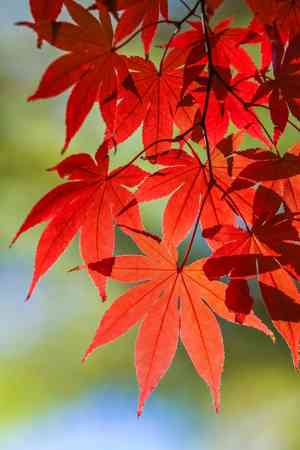
The ideal period for relocating a japanese maple is between late spring and mid-summer, allowing the specimen sufficient time to settle and flourish. Select a site offering dappled sunlight and soil that drains effectively. Ensure the root system remains hydrated throughout the procedure to maximize transplant viability.
What Preparations are Needed Before Transplanting Japanese Maple?
What is the Ideal Time for Transplanting Japanese Maple?
The optimal period for relocating japanese maple is from late spring to mid-summer. This timing allows for successful root establishment before cooler weather arrives. Your japanese maple will flourish with this nurturing headstart!
How Much Space Should You Leave Between Japanese Maple Plants?
For transplanting japanese maple, it's best to provide ample room for growth. Space the plants 10-25 feet (3-7.6 meters) apart, ensuring they'll have sufficient area to thrive and expand as they mature.
What is the Best Soil Mix for Japanese Maple Transplanting?
To give japanese maple a strong start, prepare a well-draining soil blend of organic matter and compost. Incorporate a slow-release fertilizer, such as a balanced 10-10-10, to supply essential nutrients for robust growth.
Where Should You Relocate Your Japanese Maple?
When selecting a new spot for japanese maple, choose an area that receives partial sun or filtered shade. This will shield the delicate foliage from scorching while still providing adequate light for the plant to flourish.
What Equipments Should You Prepare Before Transplantation Japanese Maple?
Gardening Gloves
To safeguard your hands while working with the soil and japanese maple.
Shovel or Spade
To excavate the planting hole and extract the japanese maple from its original location.
Pruners or Scissors
To trim any damaged roots or branches during the transplanting process.
Watering Can or Hose
To hydrate the japanese maple after transplanting to settle the soil and promote strong roots.
Organic Mulch
To help retain moisture, regulate soil temperature, and suppress weeds around the japanese maple.
Wheelbarrow or Garden Cart
To transport the japanese maple and any necessary tools or soil amendments.
How Do You Remove Japanese Maple from the Soil?
How Do You Remove Japanese Maple from the Soil?
- From Ground:First, water the japanese maple plant to moisten the soil. Then, dig a wide trench around the plant using a shovel or spade, ensuring the plant's root ball remains intact. Carefully work the spade under the root ball to lift the plant from its original location.- From Pot:Water the japanese maple thoroughly, and allow a few minutes for the moisture to penetrate. Lay the pot on its side and gently tap the pot to loosen the root ball. Slide the plant out of the pot without disturbing the root ball.- From Seedling Tray:Gently water the seedlings to dampen the soil. Use a spoon or small garden trowel to scoop out the individual japanese maple seedlings, being careful not to harm the fragile root system.
Step-by-Step Guide for Transplanting Japanese Maple
Preparation
Ensure you select a suitable, pre-determined location for your japanese maple. The hole should be at least twice the width of the root ball and equally deep. Gently loosen the roots of the japanese maple if it is root-bound, and trim any damaged roots.
Planting Hole
Dig a hole deep enough to accommodate the root ball and twice as wide, ensuring the japanese maple is not planted too deeply to prevent rot. Add any necessary soil amendments and mix them into the native soil.
Positioning
Gently lower the japanese maple into the hole and position it so the top of the root ball is level with the soil surface. Spread the roots out evenly in the hole, and ensure the japanese maple is straight and not leaning.
Filling the Hole
Fill in the hole with the native soil, and press it gently around the root ball to eliminate air pockets. Make sure you don't bury the japanese maple deeper than it was in its original location.
Watering
Water the japanese maple generously after transplanting to settle the soil and help establish strong roots. Take care not to overwater.
Mulching
Apply a 2-3 inch layer of organic mulch around the base of the japanese maple to help retain moisture, regulate soil temperature, and suppress weeds.
How Do You Care For Japanese Maple After Transplanting?
Watering
Keep the soil around the japanese maple consistently moist, but not waterlogged, for the first few weeks after transplanting to help establish strong roots. Gradually reduce watering frequency as the japanese maple becomes established.
Pruning
Prune any damaged branches or deadwood after transplanting, and check for signs of diseases or pests regularly. Regular pruning of the japanese maple promotes healthy growth and good shape.
Fertilizing
Feed the japanese maple with a slow-release fertilizer in the spring and fall to promote healthy growth. Be sure not to over-fertilize, as this may harm the japanese maple.
Monitoring
Monitor the japanese maple closely for any signs of stress, such as wilted or yellowing leaves. Pay attention to potential pests or diseases, and address issues promptly to prevent further damage.
Troubleshooting Common Issues with Japanese Maple Transplantation.
What's the best time to transplant japanese maple?
Late spring to midsummer is the ideal time to transplant japanese maple for better growth and establishment.
How much space should I allow between japanese maple plants?
Keep a spacing of 10 to 25 feet (3-7.5 meters) between japanese maple plants, allowing them ample space to grow.
What type of soil is best for transplanting japanese maple?
Japanese maple prefers well-draining, slightly acidic, sandy loam or loamy soil to facilitate good root development.
What's the proper planting depth for japanese maple?
Plant japanese maple with the root flare just above the soil surface, about 1-2 inches (2.5-5 cm) deep.
How much water does japanese maple need after transplanting?
Keep the soil moist but not soggy. Water japanese maple deeply once or twice a week during the initial 3-4 weeks.
Do I need to add fertilizer while transplanting japanese maple?
It's not necessary but can help. Add a slow-release, balanced fertilizer in the planting hole to stimulate growth.
What sun exposure is best for japanese maple after transplanting?
Japanese maple thrives in partial shade to full sun; however, protection from harsh afternoon sun in hotter climates is beneficial.
How do I prepare the transplant site for japanese maple?
Dig a hole twice as wide as the root ball and mix organic matter into the soil to enrich the site.
Do I need to stake japanese maple after transplanting?
Staking is usually not required, but for taller varieties or in windy areas, use a temporary stake for support.
What care is needed post-transplantation of japanese maple?
Monitor water, sunlight, and soil conditions for good growth. Prune any damaged or crossed branches to maintain shape.



