How to Transplant Box elder?
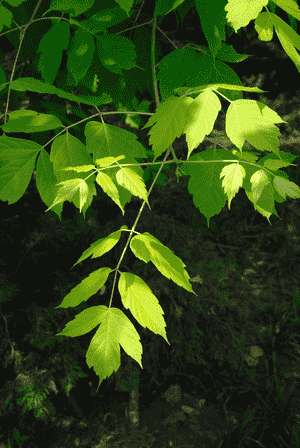
For Acer negundo, the optimal period for relocation is from late spring through midsummer, coinciding with their vigorous development. Select a site featuring soil that drains effectively and offers partial shade. Carefully untangle the root ball prior to transplanting and irrigate thoroughly to foster robust, thriving development.
Preparations Required Before Relocating Box Elder?
Optimal Period for Box Elder Relocation?
The most suitable time to move box elder is during the mild days of late spring through mid-summer. This enables the plant to develop robust roots prior to winter, promoting peak growth and vitality.
Recommended Spacing Between Box Elder Plants?
For box elder relocation, maintain a distance of 30-50 feet (9-15 meters) between plants. This ensures proper development and prevents overcrowding, allowing each plant ample room to expand and mature correctly.
Ideal Soil Mixture for Box Elder Relocation?
When relocating box elder, select a well-draining soil enriched with organic matter. Incorporate a foundational fertilizer, such as a balanced slow-release granular product or compost, to supply essential nutrients and stimulate the plant's growth.
Where to Replant Your Box Elder?
Select a site offering full sun to partial shade for your box elder. This implies a minimum of 4-6 hours of daily sunlight. Ensure the area has sufficient sun exposure and adequate protection from strong winds.
Equipment Needed Before Relocating Box Elder?
Gardening Gloves
To safeguard your hands while handling soil and the plant.
Shovel or Spade
For excavating the planting hole and extracting the box elder plant from its initial spot.
Watering Can or Hose
To hydrate the plant before and after its relocation.
Pruning Shears
For any essential trimming or shaping.
Trowel
For relocating smaller box elder plants or young sprouts.
Wheelbarrow or Tarp
For moving the plant, if required.
Soil
To backfill any voids around the plant's root mass.
Mulch
To aid in moisture retention and safeguard the box elder plant's root system.
How to Extract Box Elder from the Ground?
How to Extract Box Elder from the Ground?
- From Ground:First, irrigate the box elder plant to moisten the soil. Next, excavate a broad trench around the plant using a shovel or spade, ensuring the plant's root ball remains intact. Carefully work the spade beneath the root ball to lift the plant from its original position.- From Pot:Water the box elder plant in its container to dampen the soil. Tilt the pot on its side and gently tap to loosen the plant's root ball. Carefully slide the plant out while supporting the base of the stem.- From Seedling Tray:Water the tray to moisten the soil. Gently grasp the box elder seedling by its leaf and carefully wiggle it until it detaches, taking care not to pull or harm the roots.
Step-by-Step Guide for Relocating Box Elder
Excavating the Hole
Dig a hole twice as wide and equally deep as the box elder plant's root ball. Loosen the soil at the base of the hole for improved root penetration.
Preparing the Plant
If necessary, trim any damaged or deceased branches and roots with pruning shears. Position the box elder plant into the planting hole, ensuring it is level and at the same depth as its previous location.
Backfilling the Hole
Hold the box elder plant upright and refill the hole with soil, gently pressing it around the root ball to eliminate air pockets.
Watering
Thoroughly water the plant to help settle the soil around the root ball and encourage root establishment.
Mulching
Apply a 2-4 inch layer of mulch around the base of the box elder plant, keeping it several inches away from the trunk to prevent rot.
Post-Relocation Care for Box Elder?
Watering
Maintain consistent moisture in the soil around the box elder, avoiding sogginess, for the initial weeks after relocation to aid in strong root development.
Pruning
Lightly prune the box elder plant during its first year to promote healthy growth and a balanced form.
Pest Control
Regularly inspect the box elder plant for any indications of pests or disease, and address any issues promptly.
Seasonal Care
In colder climates, safeguard the box elder plant's roots with a layer of mulch before winter.
Fertilization
Allow a few months to pass after relocation before applying any fertilizer to prevent over-fertilization and stress to the box elder plant.
Resolving Common Issues with Box Elder Relocation.
When is the best time to relocate box elder?
The optimal period to relocate box elder is from late spring to midsummer, ensuring prime growth conditions.
What is the correct spacing for relocating box elder?
When relocating box elder, allow a distance of 30-50 feet (9-15 meters) between them to provide ample growth space.
How deep should I dig the hole for box elder relocation?
Excavate a hole approximately 2-3 times wider and equivalent to the depth of the root ball. This facilitates easy root expansion.
Which soil type is most suitable for relocating box elder?
Box elder adapts to various soil types, but well-drained, loamy or sandy soil with moderate fertility is ideal.
Should I water box elder after relocation?
Yes, provide box elder with a thorough watering after relocation to help settle the soil and minimize transplant shock.
Is staking necessary for box elder after relocation?
Staking may be required for young or unstable trees. Use flexible ties to secure the trunk to the stake.
How much sunlight does box elder require after relocation?
Box elder thrives best in full sun to partial shade. Ensure your planting site receives at least 4-6 hours of sunlight.
What can I do to lessen transplant shock in box elder?
Reduce transplant shock by watering adequately, providing suitable sunlight, and avoiding unnecessary root disturbance.
Do I need to fertilize box elder after relocation?
Yes, wait 4-6 weeks after relocation, then apply a slow-release fertilizer to encourage healthy growth.
When is the initial pruning needed for relocated box elder?
The first pruning is necessary after one growing season, to remove any dead, damaged, or poorly positioned branches.



