How to Transplant Bigleaf maple?
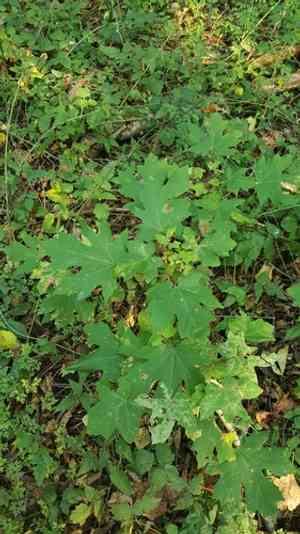
The most suitable period for relocating bigleaf maple is from mid to late spring, as the plant awakens from its dormant state and ground conditions are conducive to root development. Select a site providing damp, adequately drained earth and dappled sunlight. During the relocation process, handle with care to safeguard the root structure.
What Preparations are Needed Before Transplanting Bigleaf Maple?
What is the Ideal Time for Transplanting Bigleaf Maple?
The best time to move bigleaf maple is during the peak of spring growth or slightly later, when the mild season is fully established. This period offers a gentle climate for root development and aligns with bigleaf maple's natural growth cycle, aiding its adjustment to a new location. Transplanting at this point leverages favorable weather and renewed plant vigor, giving bigleaf maple the best chance to thrive after relocation.
How Much Space Should You Leave Between Bigleaf Maple Plants?
Before relocating bigleaf maple, ensure adequate spacing. An optimal distance is approximately 20-30 feet (6-9 meters) between each plant. This allows bigleaf maple ample room to develop without overcrowding, boosting their potential for success.
What is the Best Soil Mix for Bigleaf Maple Transplanting?
Bigleaf maple thrives in well-drained soil, ideally loamy or sandy. Prepare a foundational fertilizer using organic matter, compost, or aged manure to promote robust growth. This will supply bigleaf maple with vital nutrients.
Where Should You Relocate Your Bigleaf Maple?
When selecting the perfect site to transplant bigleaf maple, seek an area with full or partial sunlight. This means the location should receive several hours of sunlight daily, supporting bigleaf maple's development.
What Equipments Should You Prepare Before Transplantation Bigleaf Maple?
Gardening Gloves
To safeguard your hands while handling soil and bigleaf maple.
Shovel or Spade
For excavating around the plant in its original spot and for digging the new planting hole.
Container/Wheelbarrow
To safely transport the plant during relocation.
Mulch
To help retain soil moisture after the transplant.
Watering Can or Hose
For ensuring the plant is adequately hydrated before, during, and after the transplanting process.
Secateurs (Pruning Shears)
This tool is useful for trimming any damaged roots or branches both before and after transplanting.
Garden Trowel
For a more precise removal process around the root ball and helpful when preparing the planting hole.
Stakes and Ties (for some bigger samples)
To offer necessary support to the bigleaf maple plant as it acclimates post-transplant.
How Do You Remove Bigleaf Maple from the Soil?
How Do You Remove Bigleaf Maple from the Soil?
From Ground: Prepare the bigleaf maple plant by moistening the surrounding soil to soften it, which aids in easy removal. Begin digging around the plant, ensuring the trench is wide enough for the root ball. Carefully work the spade beneath the root ball to prevent root damage, then lift the plant.From Pot: Grasp the bigleaf maple plant near its base, and gently tilt the pot sideways or upside down. Carefully squeeze or tap the pot to loosen the root ball. Slide the plant with its root mass out of the pot, ensuring careful handling to minimize root disturbance.From Seedling Tray: Dampen the soil to facilitate removal. Using your fingers, apply gentle pressure at the base of the plant’s stem to lift it, ensuring the root system remains intact. If roots are intertwined with adjacent seedlings, carefully separate them.
Step-by-Step Guide for Transplanting Bigleaf Maple
Plant Preparation
Trim any dead or damaged leaves or roots. Carefully inspect bigleaf maple and prepare it for transplanting by ensuring it is well hydrated.
Hole Preparation
Dig a hole in the new location that is twice as wide and equal in depth to bigleaf maple's root ball, making sure the top of the root ball will be at or slightly above ground level.
Placing the Plant
Position bigleaf maple into the hole. Ensure it is centered and upright.
Backfill
Refill the hole with soil, gently firming the soil around the root ball to ensure it is well anchored and stable.
Watering
Water the transplanted bigleaf maple thoroughly to help settle the soil and provide the plant with moisture.
Mulching
Apply a layer of mulch around the base of bigleaf maple, which will help maintain soil moisture and regulate temperature.
How Do You Care For Bigleaf Maple After Transplanting?
Monitoring
Check bigleaf maple daily for any signs of transplant shock, such as wilting or yellowing leaves, and to ensure it's receiving sufficient water.
Pruning
You may wish to prune bigleaf maple a few weeks after transplant, removing any broken, damaged, or diseased branches to encourage new growth.
Staking
If bigleaf maple is tall and appears unstable, stake the tree to provide support. Remove stakes after a year or once the plant is stable.
Protection
Inspect for pests and diseases weekly. Prompt action can save your bigleaf maple. Be ready to intervene with appropriate organic or synthetic pesticides if absolutely necessary.
Troubleshooting Common Issues with Bigleaf Maple Transplantation.
What is the best time to transplant bigleaf maple?
The most opportune time to move bigleaf maple is late in the cool season or early in the warm season. This corresponds to late spring through midsummer.
What is the ideal distance between bigleaf maple when transplanting?
To allow for ample growth, bigleaf maple should be spaced approximately 20-30 feet (6-9 meters) apart during transplantation.
Why are my transplanted bigleaf maple leaves turning yellow?
Yellowing leaves may indicate a watering issue or a nutrient deficiency. Monitor watering practices, keeping the soil consistently moist, and consider a balanced slow-release fertilizer.
How deep should I put bigleaf maple when transplanting?
When transplanting, dig a hole that is twice as wide as the root ball, but no deeper. Bigleaf maple's root flare (where the trunk widens at the base) should be level with the soil surface.
Can bigleaf maple survive transplant shock?
Bigleaf maple can recover from transplant shock. To assist, water thoroughly after transplanting, maintain consistent soil moisture, and mulch around the base without touching the trunk.
What type of soil is best for bigleaf maple when transplanting?
Bigleaf maple prefers well-draining soil with a neutral to slightly acidic pH. Soil rich in organic matter will promote healthy development.
How much water does bigleaf maple need after being transplanted?
After transplanting, water bigleaf maple thoroughly, ensuring the soil around the root ball is moist. Subsequently, maintain consistent soil moisture, which may require weekly watering depending on your climate.
What to do if transplanting bigleaf maple is not growing?
Verify bigleaf maple's requirements – ensure it has appropriate light, water, and soil conditions. If all seems correct, it might simply be prioritizing root establishment over top growth.
Should I prune bigleaf maple before or after transplanting?
Pruning should occur after transplanting bigleaf maple, not before. Removing dead or damaged branches will encourage healthier development.
Why is my transplanted bigleaf maple wilting?
Wilting after transplant is often due to shock, but can also signal improper watering, either too much or too little. Consistency and careful observation are crucial.



